What Causes Gum Bleeding? When Should You See a Dentist?

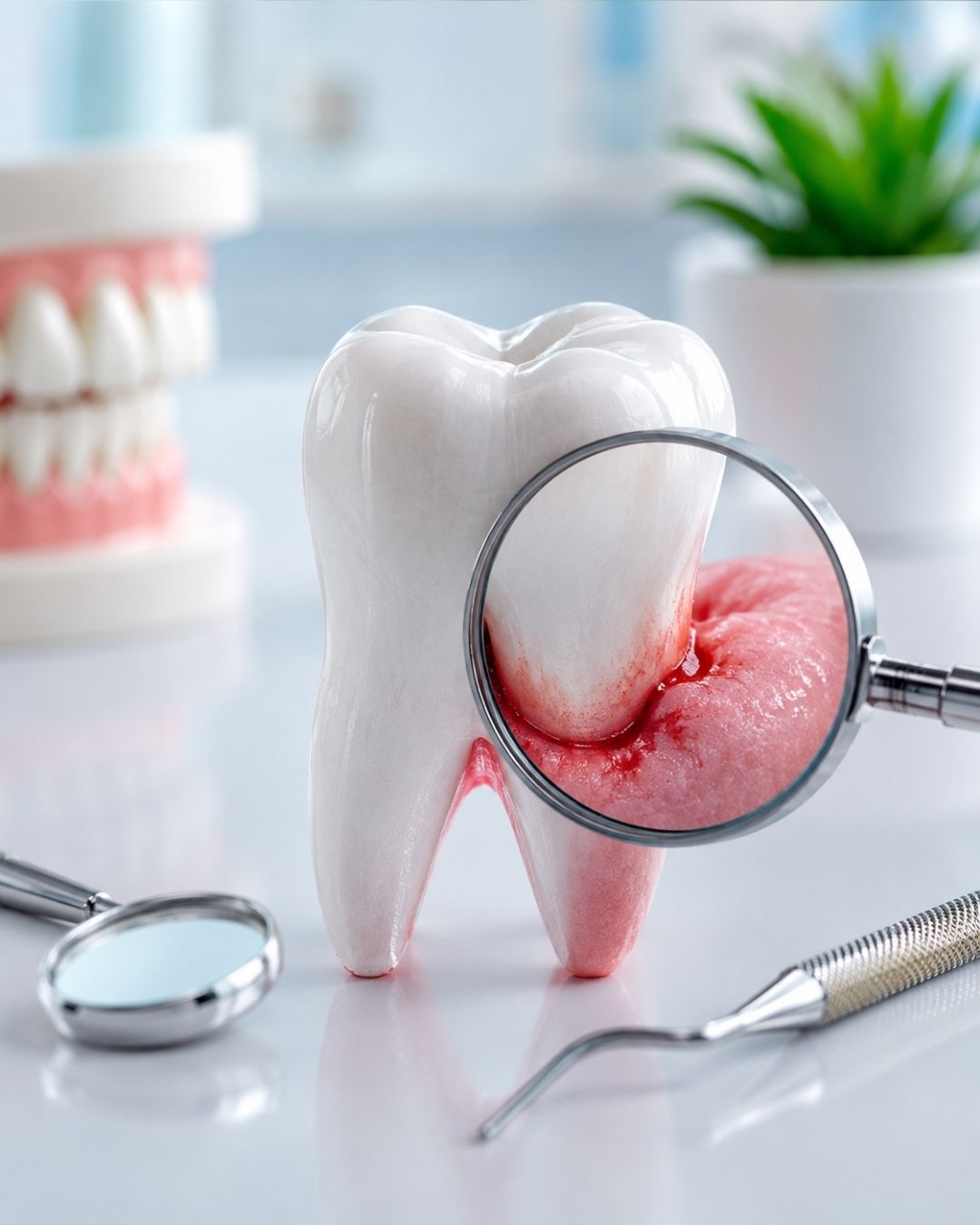
Gum bleeding noticed while brushing or flossing is a common occurrence for many people. However, frequent or prolonged bleeding may be a sign that warrants evaluation in terms of dental and gum health.

In this article, UBK Dental from Europe discusses the possible causes of gum bleeding, the symptoms to watch out for, and the basic methods that can be applied in oral care.

What Causes Gum Bleeding?

One of the most common causes of bleeding gums is bacterial plaque buildup around the teeth. Without regular and proper oral hygiene, plaque buildup can lead to sensitivity, redness, and swelling of the gums. Additionally, brushing too hard, using the wrong toothbrush, or incorrect flossing can also cause temporary bleeding. Since various factors can contribute to bleeding gums, determining the cause is crucial, especially in recurring cases.

Could this be a symptom of gum disease?

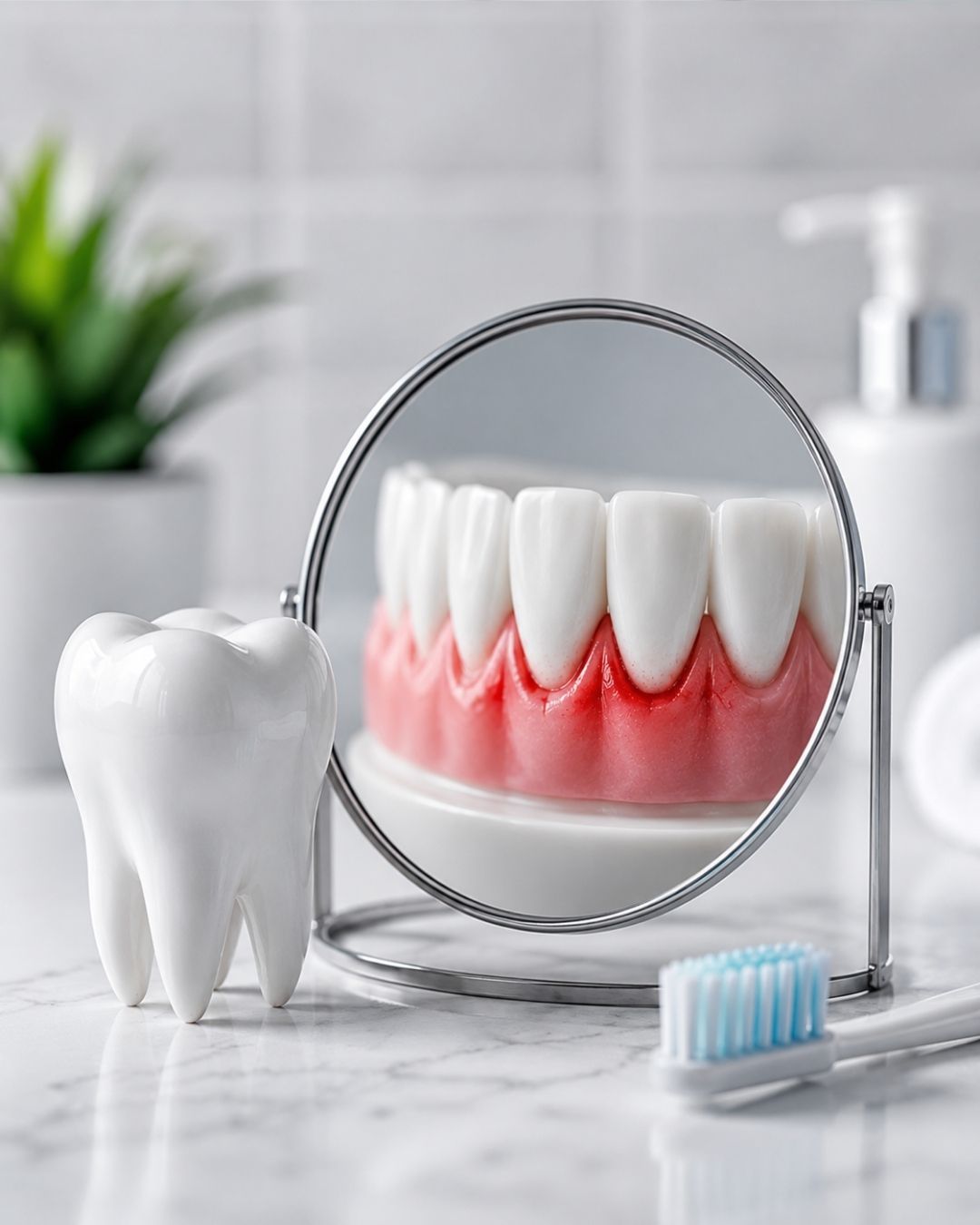
Gum bleeding can be an early sign of gum inflammation. In this condition, called gingivitis, redness, sensitivity, swelling, and bleeding during brushing may occur. If proper oral care and professional evaluation are not provided early, some gum problems can progress. Therefore, it is important not to ignore these symptoms for a long time.

Can Tartar Cause Gum Bleeding?

Plaque that accumulates on the surface of teeth can harden over time and turn into tartar. When tartar accumulates, especially around the gum line, it can irritate tissues and contribute to the development of gum problems. Since tartar cannot be completely removed with normal brushing methods, professional tartar removal may be necessary.

How can gum bleeding be prevented?

Regular oral and dental care plays a crucial role in maintaining gum health. Brushing your teeth at least twice a day with the correct technique and regularly cleaning between your teeth can help control plaque buildup. Furthermore, regular dental checkups allow for early detection of dental and gum problems. Using a toothbrush with the appropriate hardness and avoiding excessive pressure on the gums during brushing are also important.

When should you see a dentist if you have bleeding gums?

If gum bleeding recurs frequently, occurs spontaneously, or is accompanied by symptoms such as swelling, redness, bad breath, gum recession, or tooth mobility, a dental evaluation is recommended. Identifying the source of the problem helps in planning the correct treatment or care method to be applied.

Regular check-ups are important for healthy gums.

Gum health is a vital part of overall oral and dental health. Regular care habits and dental check-ups can help detect potential problems early. If you are looking for a dental clinic in Bayrampaşa, you can contact Avrupa UBK Dental to get information about evaluation and treatment options for your oral and dental health and to schedule an appointment with a dentist.

Shopping Basket
Call Now Button