What Causes Gum Recession? Symptoms and Treatment Methods

Healthy gums play a vital role in maintaining oral and dental health by surrounding the teeth. However, due to various reasons, gum tissue can recede over time. This condition can cause teeth to appear longer than usual and lead to the exposure of tooth roots. Gum recession is not merely an aesthetic issue; in advanced cases, it can result in tooth sensitivity, decay on root surfaces, and problems affecting the tissues that support the teeth.

In this article, as Avrupa UBK Dental, we discuss the causes, symptoms, and treatment options for gum recession, as well as the measures to take to maintain gum health.

What is Gingival Recession?

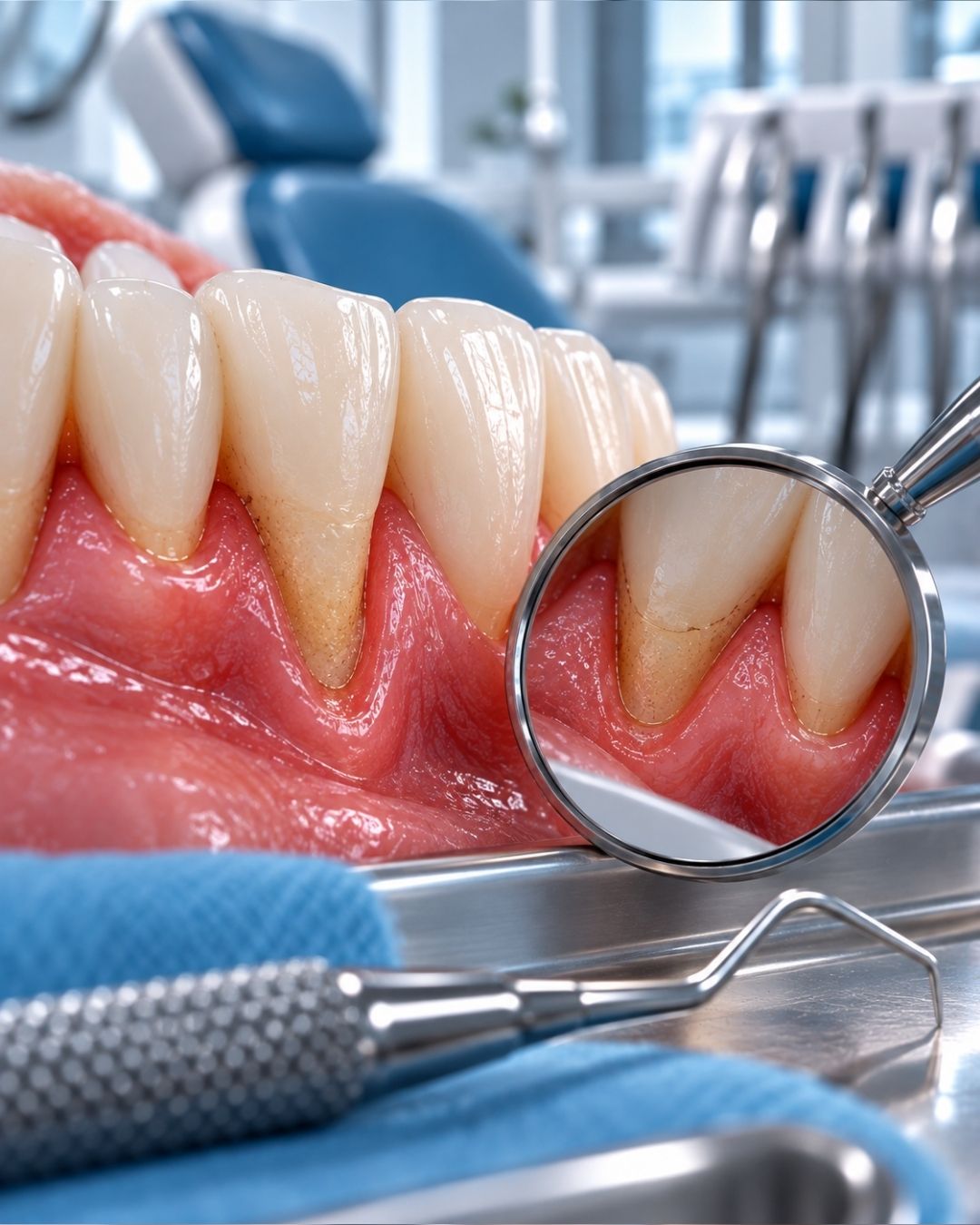
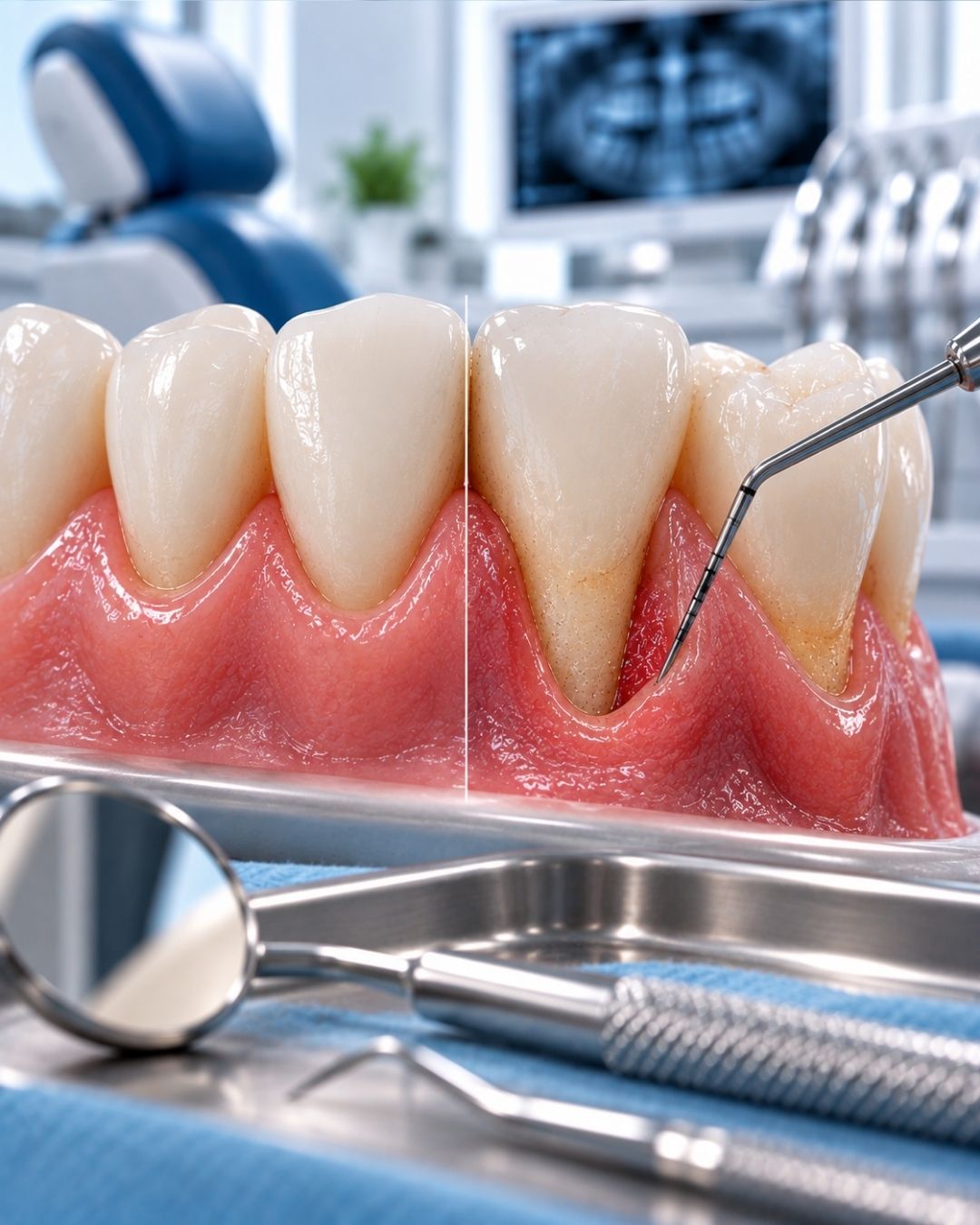
Gum recession is the process by which the gum tissue surrounding the teeth pulls away from its normal position, exposing a portion of the tooth root. In a healthy mouth, the gums properly encircle the teeth. However, as the gum tissue recedes, the teeth may appear longer, and root surfaces can become more sensitive to external factors. Gum recession can occur on a single tooth or affect multiple teeth.

What Causes Gum Recession?

There is no single cause for gum recession; rather, various factors may play a combined role. Periodontal diseases—often caused by the accumulation of bacterial plaque and tartar on tooth surfaces—can damage the supporting tissues around the teeth and alter the gum line. Additionally, brushing too vigorously, using a hard-bristled toothbrush with incorrect technique, and consistently applying excessive force to the gums can cause tissue trauma. Habits such as teeth clenching and grinding, a genetic predisposition toward thin gum tissue, tooth positioning, and the characteristics of the surrounding bone can also influence susceptibility to gum recession. Furthermore, the use of cigarettes and other tobacco products is considered a significant risk factor, as it can increase the risk of periodontal disease and negatively affect tissue healing.

What Are the Symptoms of Gum Recession?

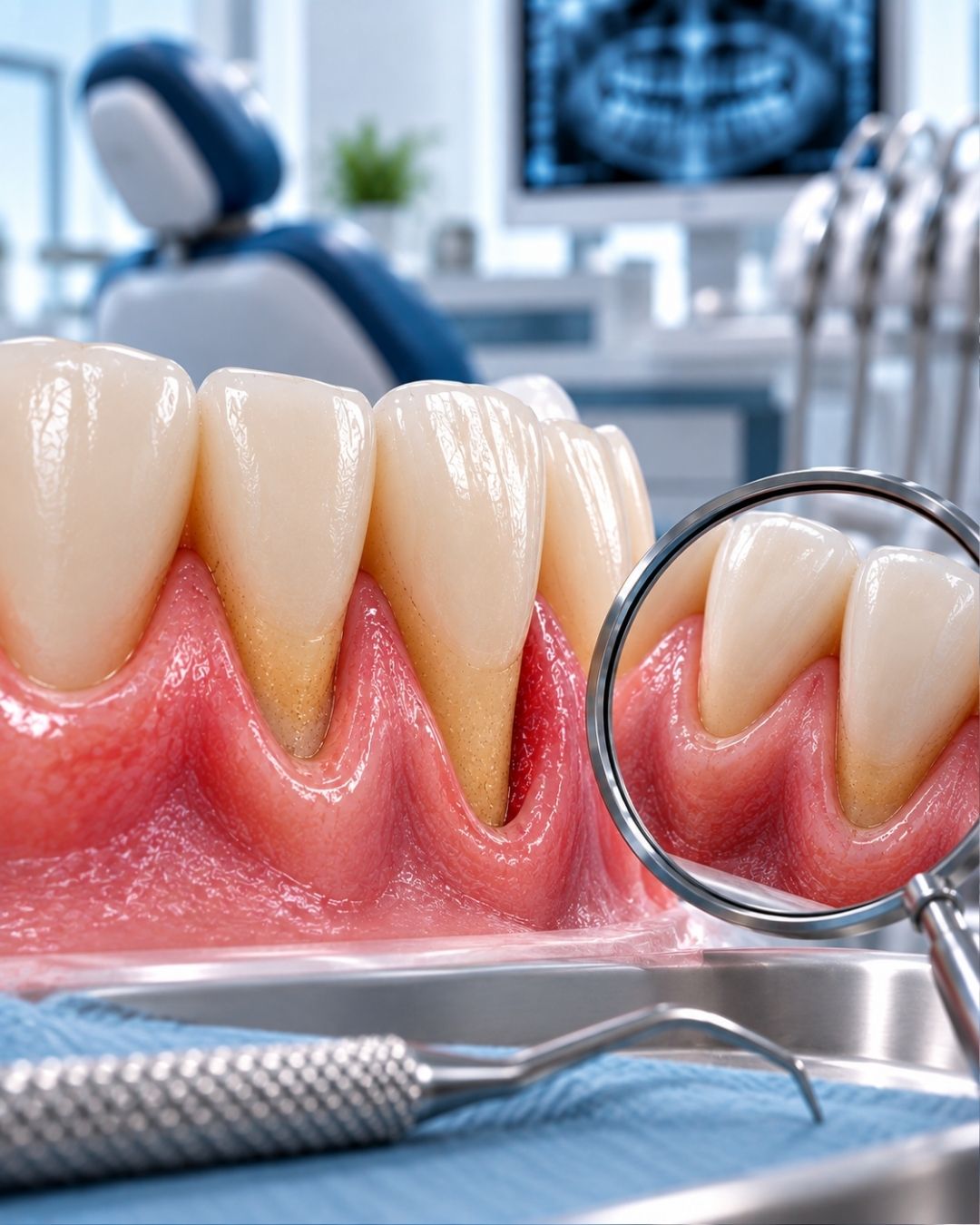
Since gum recession does not always cause pain, it may go unnoticed by the individual in the early stages. One of the most noticeable changes is that the teeth appear longer than before and the gum line becomes uneven. Exposure of the tooth root can lead to sensitivity to hot, cold, sweet, or sour foods and beverages. Discomfort along the gum margin may also occur. If the gum recession is accompanied by periodontal disease, other symptoms such as bleeding gums, redness, swelling, bad breath, and—in advanced cases—tooth mobility may also manifest.

Does Gum Recession Resolve on Its Own?

Gum tissue lost due to recession generally does not spontaneously return to its original level. However, this does not mean that everyone experiencing gum recession necessarily requires surgical treatment. It is important to first identify the factors causing the recession, assess the extent of the condition, and take measures to prevent further progression. A dentist can plan a personalized treatment approach based on the severity of the recession, its location, the individual’s gum structure, and the condition of the surrounding tissues.

How Is Gum Recession Treated?

Treatment for gum recession may vary depending on the underlying cause and the severity of the recession. For individuals with periodontal disease, periodontal treatments aimed at controlling plaque, tartar, and existing inflammation may be administered first. If the issue stems from incorrect or overly vigorous brushing, adjustments to brushing habits and the use of appropriate oral care products may be recommended. In more advanced or suitable cases, surgical procedures—such as gum grafting—may be considered to cover exposed root surfaces and reinforce gum tissue. Since the same treatment is not applied to every case of gum recession, determining the most appropriate method requires a clinical examination.

Does Gum Recession Cause Tooth Loss?

The presence of gum recession does not in itself mean that a person will inevitably experience tooth loss. However, if the recession is accompanied by advanced periodontal disease and a loss of the bone tissue supporting the teeth, the long-term health of the teeth may be adversely affected. In cases of untreated advanced periodontal disease, the reduction of supporting tissues around the teeth can lead to tooth mobility and an increased risk of tooth loss. Therefore, it is important not to view gum recession merely as an aesthetic issue but to identify the underlying cause as early as possible.

Shopping Basket
Call Now Button