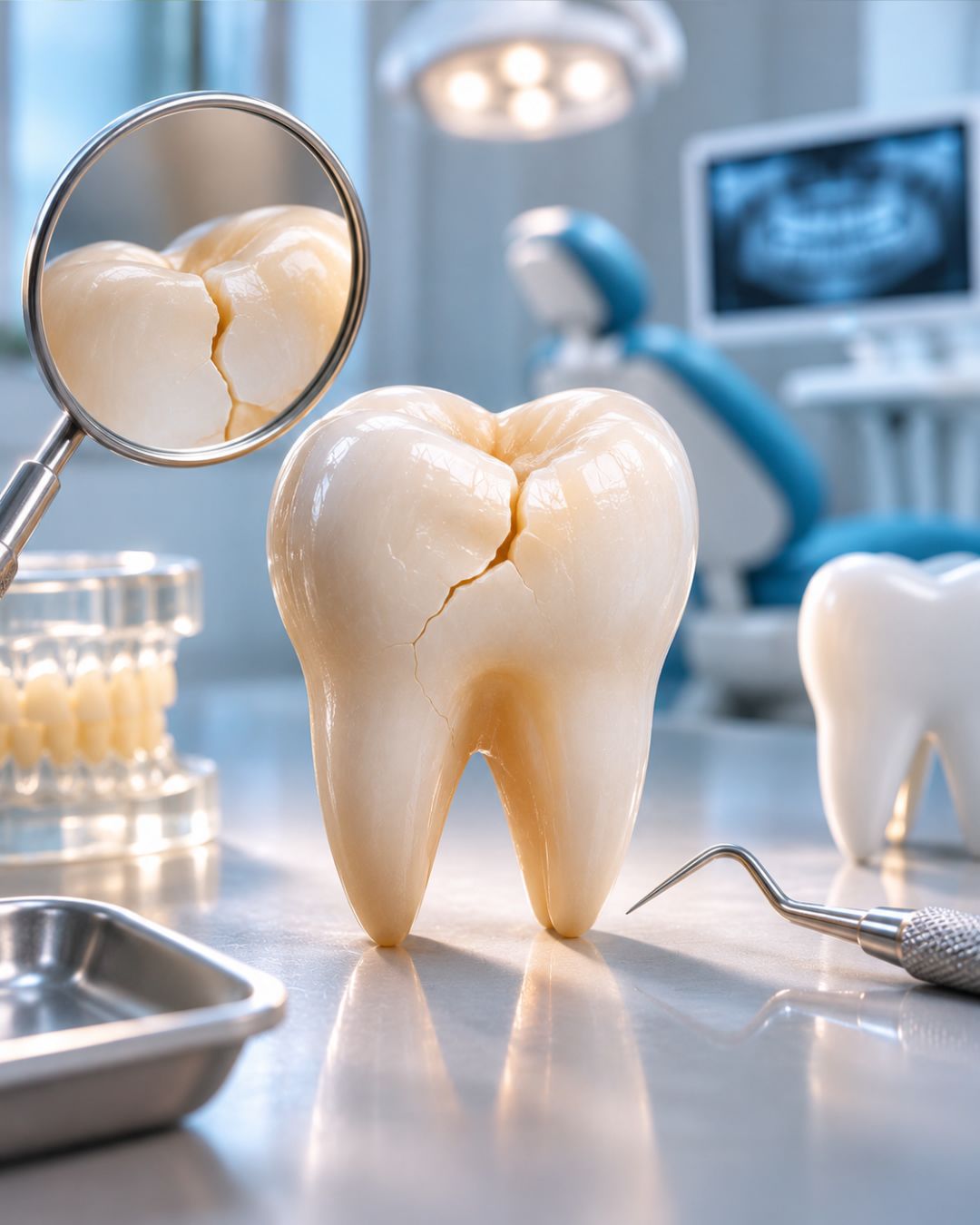
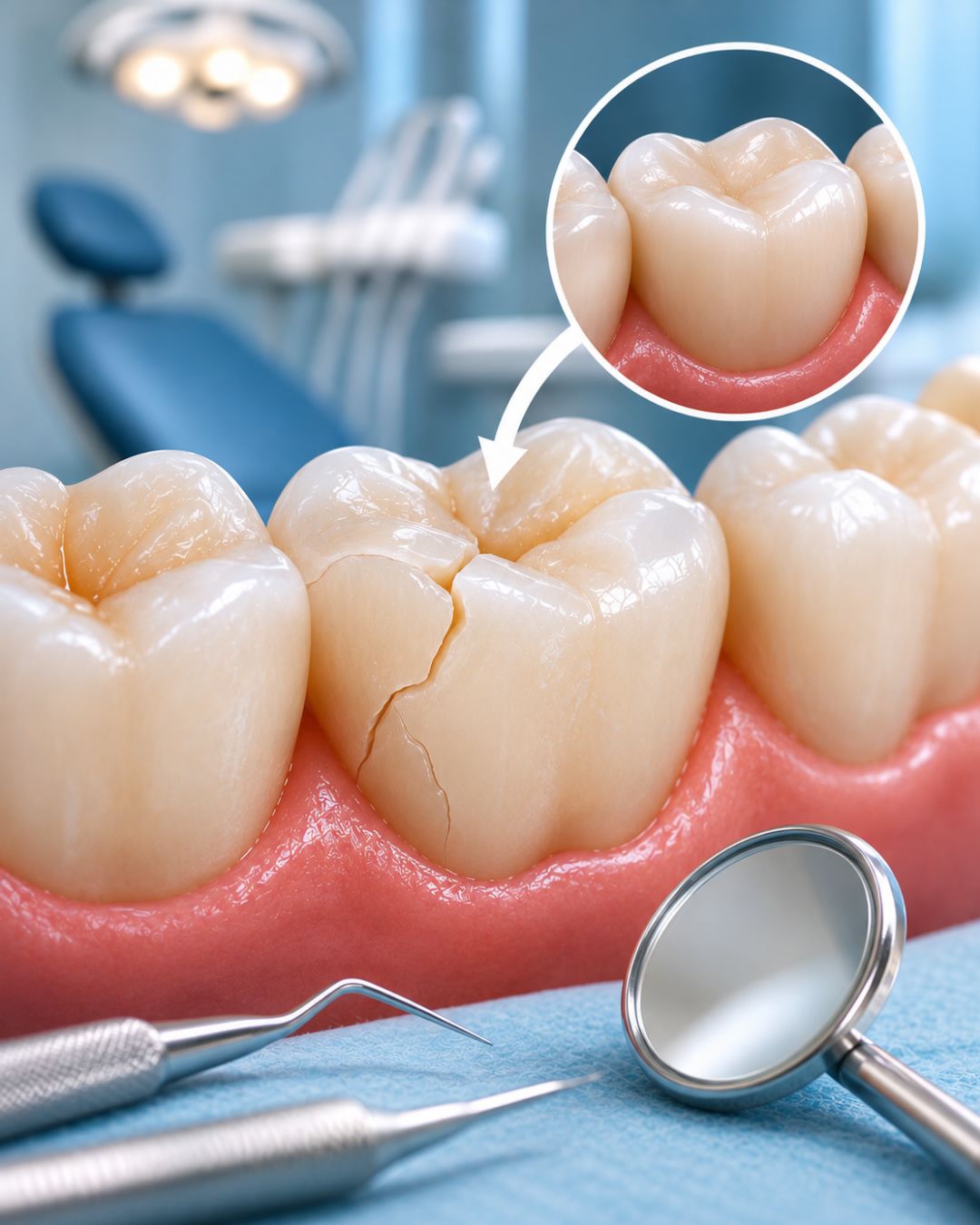
In daily life, teeth are subjected to various forces during chewing and biting. Although tooth enamel is a highly durable structure, certain factors can cause teeth to weaken and fracture over time.
A fractured tooth is not merely an aesthetic issue; it can also lead to problems such as tooth sensitivity, difficulty chewing, and pain. In this article, we at Avrupa UBK Dental explore why teeth fracture, the factors that increase the risk of such fractures, available treatment methods, and the precautions one should take to preserve the natural structure of their teeth.
There are many different factors that can cause teeth to fracture. Habits such as cracking hard-shelled foods with one’s teeth or chewing ice, as well as sustaining a blow to the mouth area or clenching one’s teeth, can damage dental tissue. Furthermore, advanced tooth decay, large dental fillings, and the erosion of tooth enamel can reduce a tooth’s structural integrity. In cases where a significant amount of healthy tooth structure has been lost, even the forces exerted during everyday chewing can lead to a fracture. For this reason, it is important to have the condition of one’s teeth evaluated on a regular basis.
The habit of clenching or grinding teeth—known as bruxism—can expose teeth to excessive force over extended periods. Clenching, which often occurs unconsciously during sleep, can lead to wear, minor cracks, and fractures on the tooth surfaces over time. Existing dental fillings and restorations may also be affected by these forces. If you experience jaw pain in the morning, fatigue in the chewing muscles, or notice visible wear on your tooth surfaces, it is important to seek an evaluation from a dentist. In appropriate cases, protective measures—such as a custom-made night guard—may be considered.
Untreated tooth decay can progress over time, leading to a loss of tooth structure within the enamel and dentin. A reduction in healthy tooth tissue can negatively affect the tooth’s resistance to the forces exerted during chewing. In some cases, even if the outer surface of a tooth appears intact, the underlying tissues may be weakened by decay. Such a tooth could unexpectedly fracture while eating. Detecting decay early and providing appropriate treatment can help preserve natural tooth structure and reduce the risk of fractures.
The treatment for a fractured tooth varies depending on the size of the fracture, its location, and whether the internal tissues of the tooth have been affected. For minor fractures, composite bonding or dental fillings may be considered, while more extensive loss of tooth structure may require different restorative treatments to provide support. If the fracture extends to the dental pulp, a root canal treatment may be necessary. Not every fractured tooth requires extraction; in appropriate cases, it is possible to preserve the natural tooth. If a tooth is fractured, it is recommended to keep any broken fragments—if they can be recovered—and to consult a dentist as soon as possible.
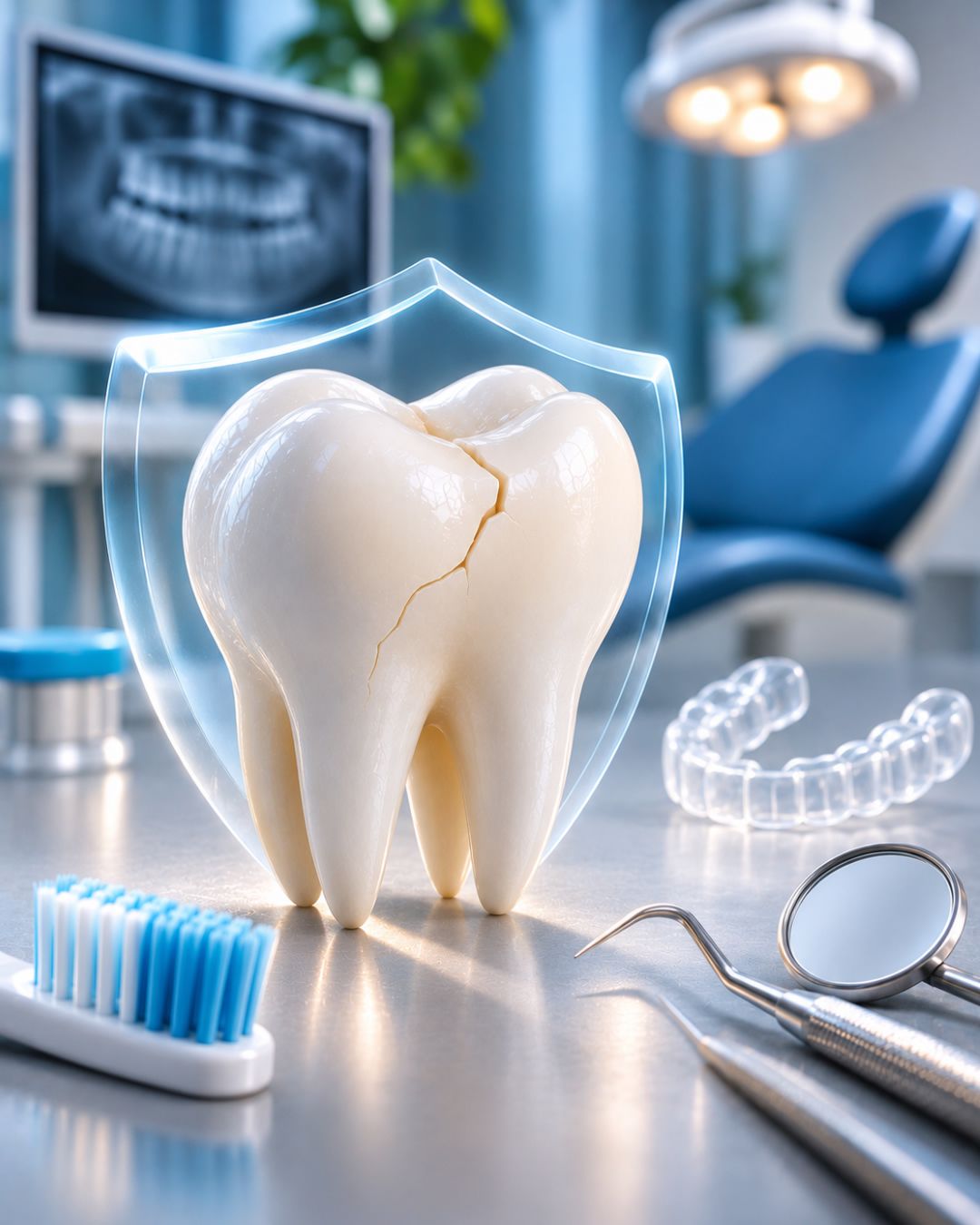
To preserve the natural structure of teeth, one should avoid breaking hard objects with them, chewing ice, or using teeth to open packaging. Brushing regularly with fluoride toothpaste, cleaning between the teeth, and treating existing cavities in a timely manner can contribute to maintaining dental health. For those who participate in contact sports, the use of appropriate mouthguards can help reduce dental injuries caused by trauma. Furthermore, assessing habits such as teeth clenching and maintaining regular dental check-ups are important for the early detection of issues that could threaten the structural integrity of the teeth.
While minor cracks, wear, or cavities in the teeth may not cause significant discomfort in the early stages, they can compromise the structural integrity of the teeth over time. Therefore, it is important to seek a professional evaluation if you notice tooth sensitivity, pain while chewing, fractures, or changes in the shape of your teeth. If you are looking for a dental clinic in Bayrampaşa, you can contact Avrupa UBK Dental to schedule an examination—whether for concerns regarding fractured teeth, restorative treatments, issues related to teeth grinding (bruxism), or a general assessment of your oral and dental health. This content is provided for general informational purposes only; a personalized treatment plan should be determined following a professional dental examination.