Why do cracks form in teeth? How is cracked tooth syndrome diagnosed?

Although teeth are quite durable structures, over time, intense chewing forces, teeth grinding habits, or trauma can cause small cracks to form in the tooth tissue.

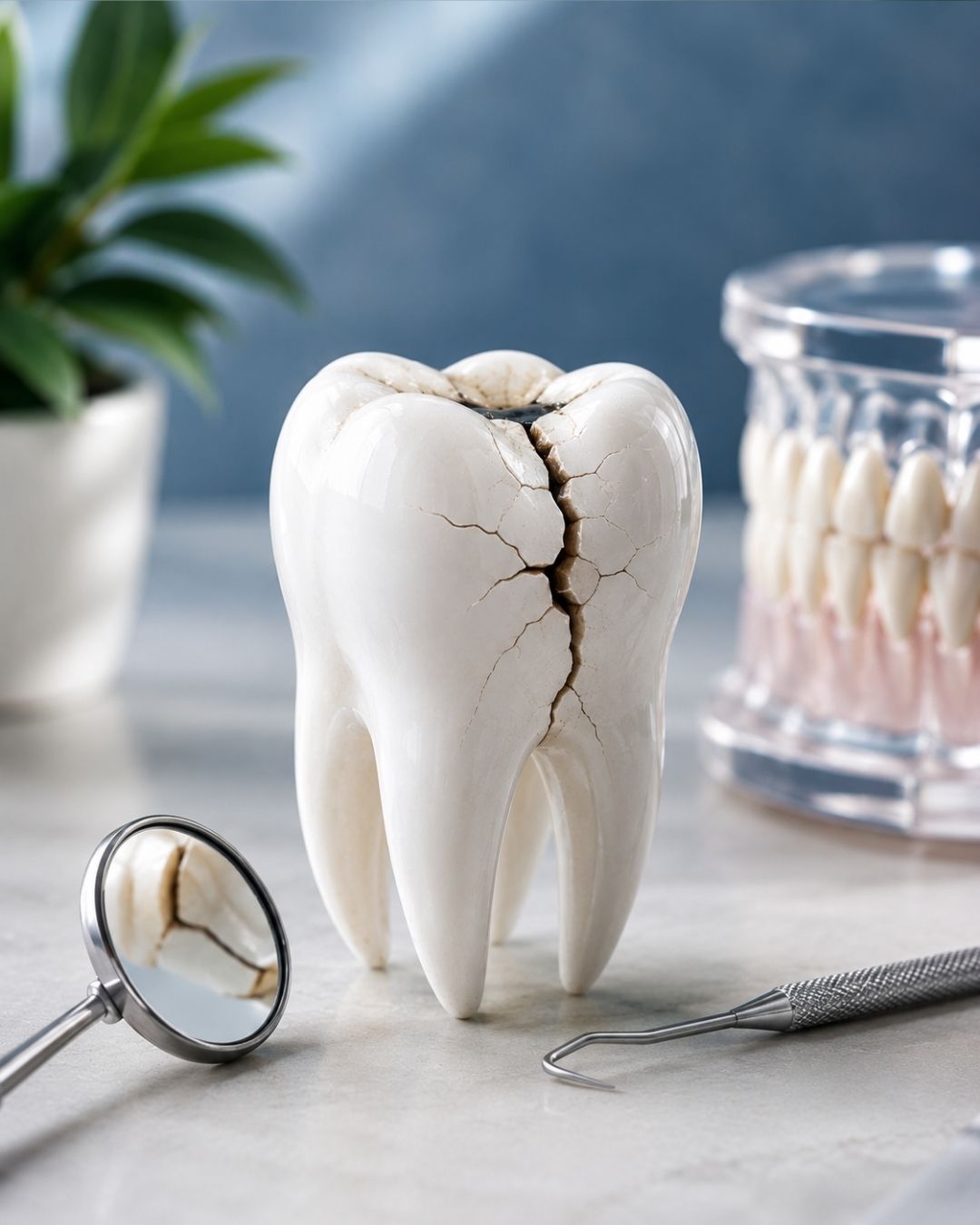
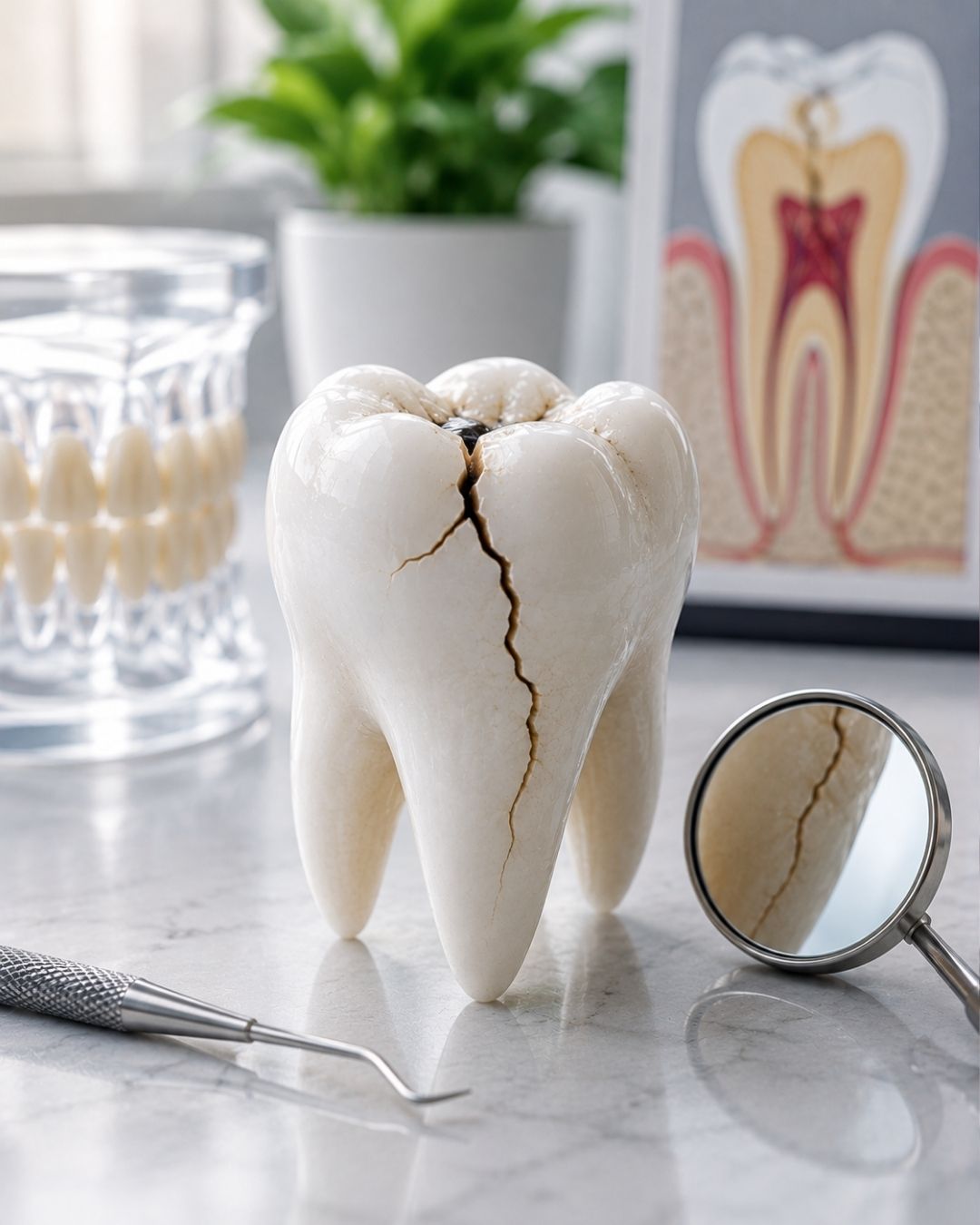
While some of these cracks only affect the tooth enamel, others can penetrate deeper into the tooth’s tissues. Cracks that are not easily visible to the naked eye but cause pain and sensitivity during chewing can be associated with a clinical condition called cracked tooth syndrome. Early identification of the problem is crucial for preserving the natural tooth.

Why do cracks form in teeth?

There isn’t just one cause for tooth cracks. Breaking hard-shelled foods or very hard substances like ice with your teeth can damage tooth tissue over time. Teeth clenching and grinding, especially at night, can also cause excessive force to be applied to the teeth. Weakening of the natural tooth tissue remaining in teeth that have previously had large fillings can also increase the risk of cracks. In addition, blows to the face or jaw, and various accidents can also cause cracks in teeth.

How to tell if a tooth is cracked?

Diagnosing cracked teeth isn’t always easy. Some cracks may be too small to be seen with the naked eye. One of the most common symptoms is sudden, sharp pain, especially when biting into hard food. The pain may also disappear suddenly when the chewing pressure is removed. Sensitivity to hot, cold, or sweet foods may also accompany the condition. Because the pain isn’t constant, patients may have difficulty identifying which tooth is affected. This can lead to delayed diagnosis.

Can a small crack grow larger over time?

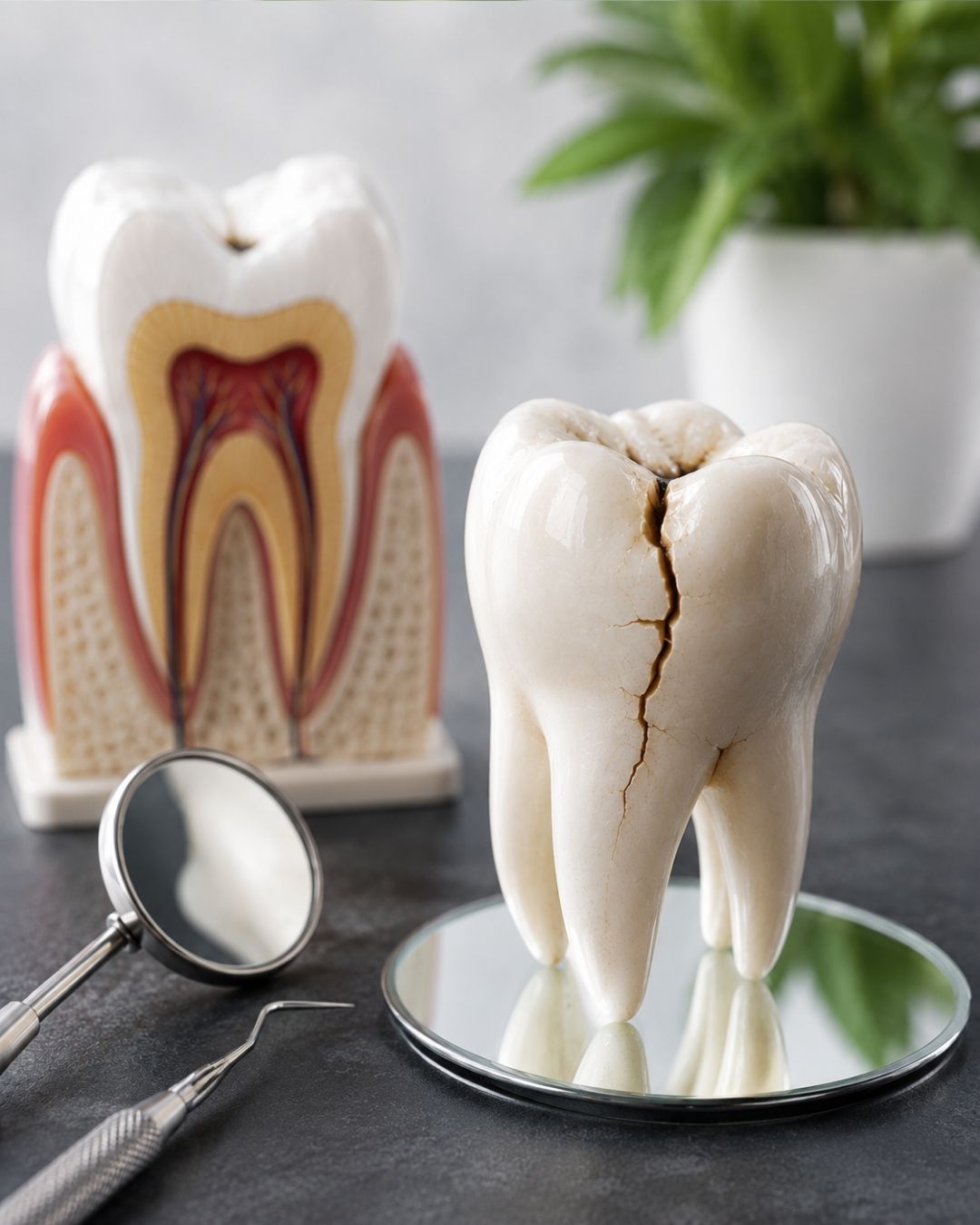
Cracks in a tooth cannot heal on their own. As chewing forces continue to be applied to the tooth, the existing crack can progress over time. A problem that initially only affects the enamel can reach deeper tissues and affect the tooth nerve. When the crack progresses towards the root area, it becomes more difficult to protect the tooth. Therefore, it is important for people who experience recurring pain, especially during chewing, not to delay seeking treatment.

How is a cracked tooth treated?

The treatment method is determined by the location and depth of the crack, as well as the extent of damage to the tooth tissue. While conservative or restorative treatments may suffice for superficial and small cracks, treatments such as crowns may be preferred for teeth with more extensive substance loss. If the crack has progressed to the nerve tissue of the tooth, root canal treatment may be necessary. In very advanced cases, preserving the tooth may not be possible. Therefore, early diagnosis significantly impacts the scope of treatment.

Is it possible to prevent tooth cracks?

Avoiding breaking very hard objects like ice or nutshells with your teeth can help prevent tooth cracks. For individuals with teeth clenching or grinding problems, protective measures such as night guards may be considered after evaluation by a dentist. Additionally, regular check-ups for teeth with large fillings or those that have previously undergone root canal treatment can help detect potential structural problems early. Bayrampaşa Dental Clinic evaluates the cause of complaints such as pain and sensitivity during chewing and conducts examinations and treatment plans to identify cracked teeth early. Avrupa UBK Dental It offers personalized treatment options that aim to preserve natural tooth tissue as much as possible by utilizing modern imaging and restorative dentistry techniques.

Conclusion

Although cracked teeth may seem like a minor problem initially, they can develop into more serious dental issues over time. Sharp pain, especially when biting, sensitivity to hot and cold, or recurring toothaches of unknown cause should be evaluated for cracked teeth. Early diagnosis can prevent the crack from progressing and increase the chances of preserving the natural tooth. Therefore, it is important to consult a dentist for similar complaints without waiting for the pain to become chronic.

Shopping Basket
Call Now Button