Why Do Tooth Cracks Occur? Symptoms and Treatment Options for Cracked Teeth

Although teeth are quite durable structures, cracks can form over time due to the forces they are subjected to in daily life. Eating hard foods, teeth grinding, trauma, or large fillings can all weaken tooth tissue and create a predisposition to crack formation.

Moreover, some tooth cracks may not be easily noticeable from the outside. Therefore, it is important to pay attention to symptoms such as pain, especially during chewing, or sensitivity to hot and cold. In this article, UBK Dental in Europe discusses the causes of tooth cracks, the symptoms they may present with, and the treatment options available.

What is a tooth crack?

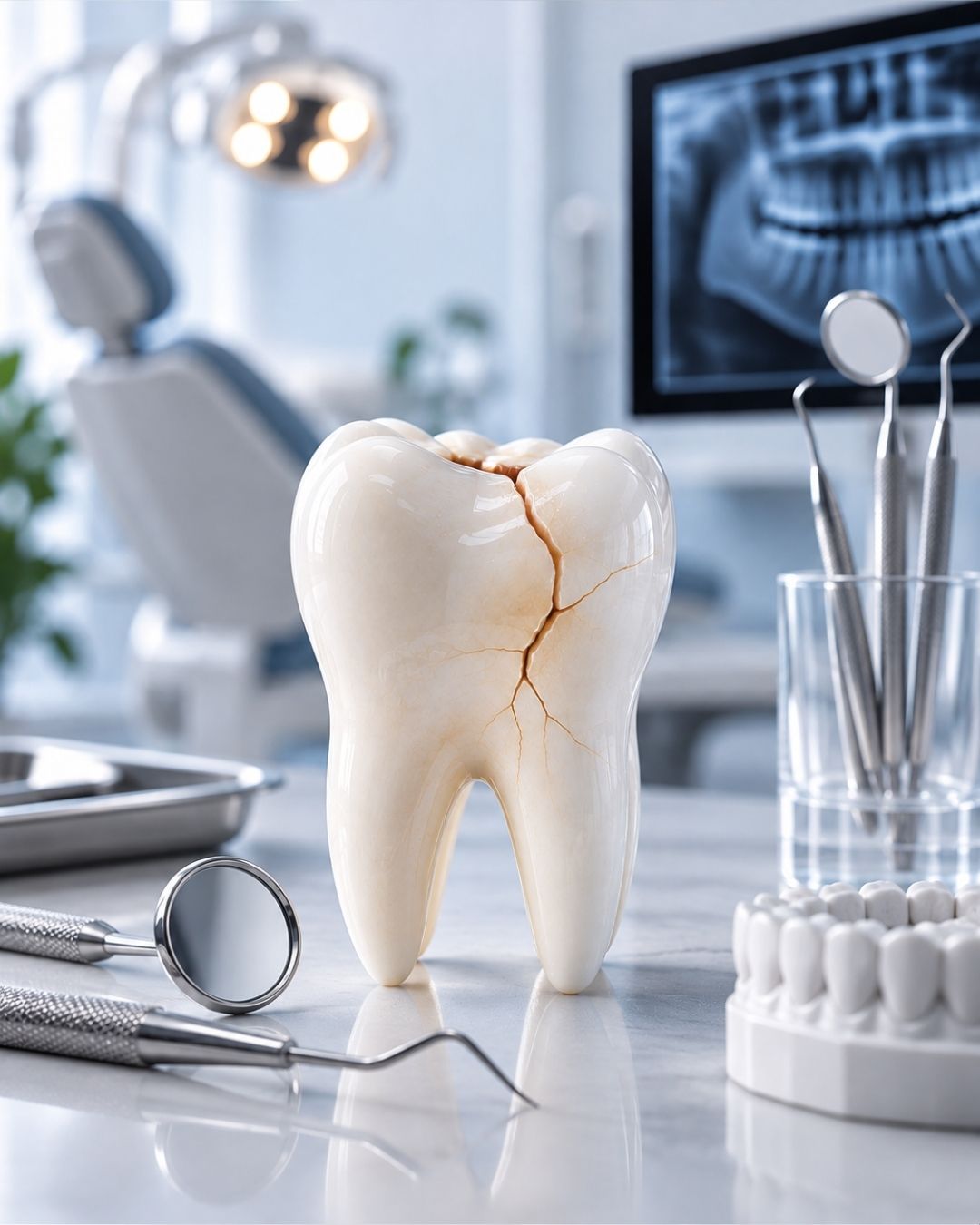
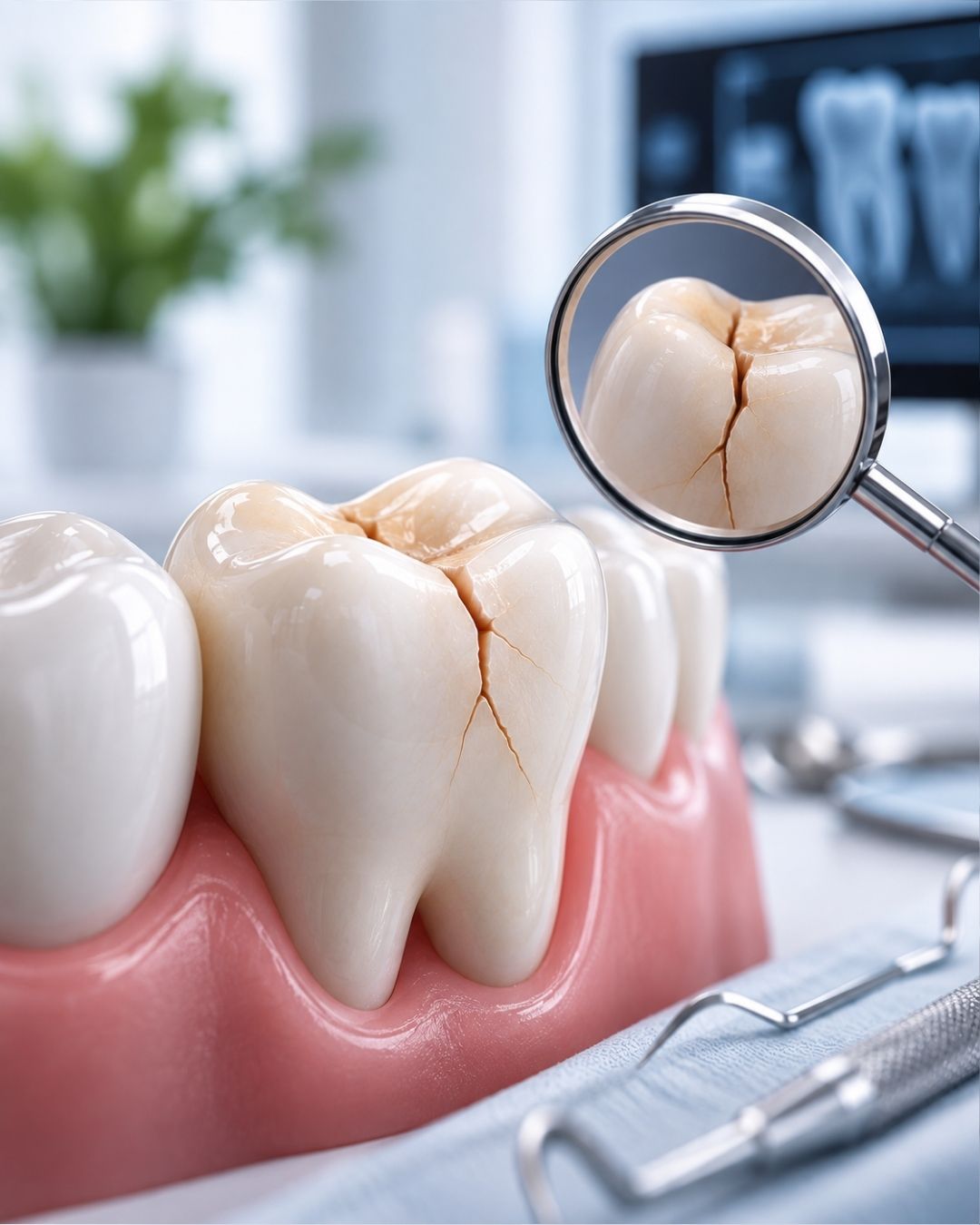
Tooth cracks are structural separations that occur in the enamel or deeper tissues of a tooth. The size, depth, and location of the crack can vary from person to person. Some cracks are only thin lines in the enamel, while others can extend to deeper layers of the tooth. Therefore, not all tooth cracks are evaluated in the same way.

Why do teeth crack?

Many different factors can contribute to the formation of cracks in teeth. Breaking very hard foods, such as ice, hard candy, or nuts, with your teeth can put a high amount of force on the tooth tissue. In addition, teeth clenching and grinding habits can increase the risk of cracks over time by constantly putting pressure on the teeth. The reduction in remaining natural tooth tissue in teeth that have previously had large fillings can also make the tooth more susceptible to fracture or cracking in some cases. Trauma to the mouth or jaw area can also be another cause of cracks.

What are the symptoms of a cracked tooth?

A cracked tooth doesn’t always cause constant pain. In fact, some people may not even notice a crack in their tooth for a long time. Sudden pain during chewing or biting, sensitivity to hot and cold foods, discomfort after eating sweets, and intermittent pain in a particular tooth can all be associated with a cracked tooth. The intermittent nature of these symptoms can make it difficult for a person to determine which tooth is causing the problem.

Can a tooth crack heal on its own?

Tooth tissue, unlike skin or bone, does not have the ability to completely repair itself. Therefore, a tooth crack is not expected to close on its own. However, not all cracks require the same treatment. While very superficial cracks may not require any treatment, deeper cracks may require different treatment options to preserve the tooth. Therefore, the location and depth of the crack should be examined by a dentist.

How is a cracked tooth treated?

The treatment plan is determined by the size of the crack, its location, and whether the internal tissues of the tooth are affected. In suitable cases, composite restorations, fillings, or crowns that surround and support the tooth may be considered. If the crack reaches the living tissue of the tooth called the pulp, root canal treatment may be necessary. In some very advanced cracks that extend to the tooth root, it may not be possible to preserve the tooth. The appropriate treatment can only be determined after clinical and, if necessary, radiographic evaluation.

Don't Ignore the Signs of Cracked Teeth

Cracked teeth may not always cause noticeable symptoms in the early stages. However, as the crack progresses, it can affect deeper tissues of the tooth, changing the scope of treatment. It is especially important to see a dentist if you experience recurring pain or unexplained sensitivity in a particular tooth, particularly during chewing. If you are looking for a dental clinic in Bayrampaşa, you can contact Avrupa UBK Dental to schedule an appointment for an evaluation regarding toothache, sensitivity, or suspected cracked teeth.

Shopping Basket
Call Now Button