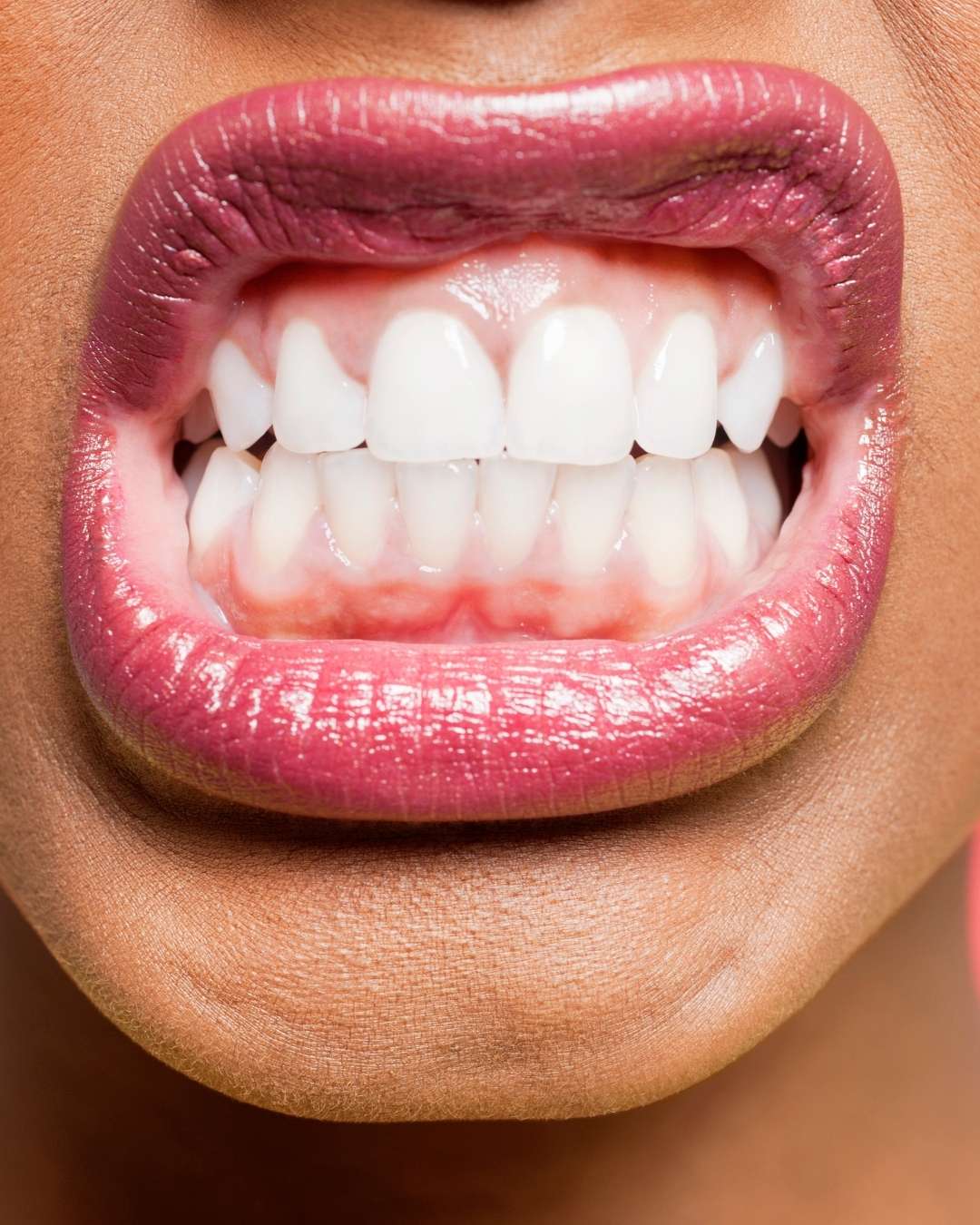
Facial Changes and Solutions Due to Teeth Grinding

Teeth clenching and grinding, medically known as bruxism, not only damages the teeth but can also lead to noticeable changes in facial features in the long term.

Many people clench their teeth for years without realizing it, which can result in the growth of jaw muscles, hardening of facial features, and changes that cause aesthetic concerns.

How does bruxism affect facial shape?

During teeth grinding, the jaw muscles are constantly overworked. In particular, the enlargement of the masseter muscle can cause the lower part of the face to appear wider and more square. This can disrupt facial symmetry and make a person’s facial expression seem harsher.

Prolonged teeth grinding can also put pressure on the temporomandibular joint, causing shifts, asymmetry, and changes in jawline appearance. These changes can create problems not only aesthetically but also in terms of chewing and speech functions.

Effects on Teeth and Jaw Structure

Bruxism affects not only the muscles but also the structure of the teeth. Teeth under constant pressure can experience wear, cracks, and shortening. This can disrupt the bite balance of the teeth, contributing to changes in facial profile. Problems in the temporomandibular joint can manifest as clicking sounds during mouth opening and closing, pain, and limited movement.

Aesthetic and functional problems can occur together.

Although changes in facial features are often seen as merely an aesthetic problem, the underlying cause may be a functional disorder. Overdeveloped jaw muscles can lead to headaches and neck pain, migraine-like symptoms, and a decrease in quality of life. Therefore, bruxism is a condition that should be addressed from both an aesthetic and health perspective.

Aesthetically, both methods blend seamlessly with the appearance of natural teeth. However, porcelain inlay-onlay restorations may offer greater long-term advantages in terms of color stability.

Treatment and Solution Methods

Treatment for facial deformities caused by teeth grinding primarily aims to control the habit. Night guards help protect teeth by reducing excessive strain on the jaw muscles. In advanced cases, interventions to reduce muscle activity and orthodontic adjustments may also be planned.

Bayrampaşa Dental Clinic evaluates jaw and facial changes caused by bruxism through comprehensive examinations and creates personalized treatment plans. Avrupa UBK Dental, on the other hand, offers solutions that aim for both aesthetic and functional improvement with modern diagnostic methods and a multidisciplinary approach.

Conclusion

Teeth grinding is a significant health problem that can lead to changes in facial shape and jaw deformities over time. Early diagnosis and appropriate treatment methods can alleviate aesthetic concerns and protect jaw health. Regular dental check-ups play a major role in preventing the lasting effects that bruxism can cause.

These restorations are generally made from porcelain or composite-based materials and are custom-made for the tooth. Prepared based on impressions, these applications provide a perfect fit to the tooth and offer a long-lasting solution. They are particularly effective in back teeth, meeting both durability and aesthetic expectations.

Shopping Basket
Call Now Button