Aesthetic Fillers: The Differences Between Composite and Inlay-Onlay Fillers

Today, in dental treatments, it has become an important goal not only to protect health but also to improve aesthetic appearance. Aesthetic fillings allow for the repair of decayed or damaged teeth while preserving their natural appearance.

Composite fillings and inlay-onlay restorations are the two most frequently preferred methods in this field. However, both applications have different areas of use and advantages.

What is Composite Filling?

Composite fillings are a type of aesthetic filling made using a special resin material that matches the color of the tooth. They bond strongly to the tooth tissue, and minimal tooth structure needs to be removed during the procedure. This method is generally preferred for treating small to medium-sized cavities.

The biggest advantage of composite fillings is that they can be applied in a single session and blend in with the natural tooth color. This allows for aesthetically pleasing results, especially in front teeth. While durable for daily use, there may be a risk of long-term wear in cases of significant tooth structure loss.

What are Inlay and Onlay Restorations?

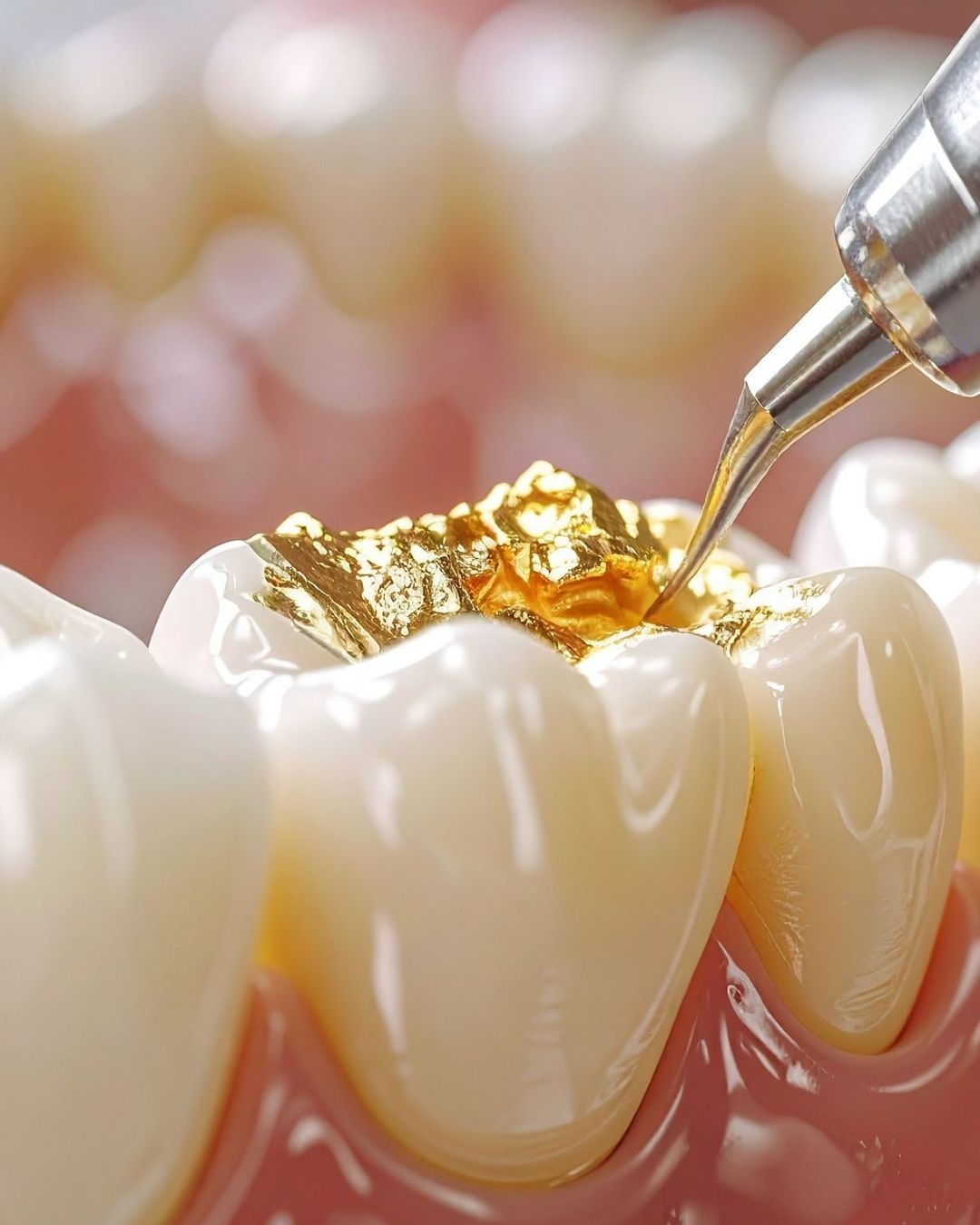
Inlay and onlay restorations are laboratory-prepared fillings preferred in cases where there is more significant loss of tooth structure. Inlays fill the cavities on the chewing surface of the tooth, while onlays cover a larger area of ​​the tooth, potentially including the cusps.

These restorations are generally made from porcelain or composite-based materials and are custom-made for the tooth. Prepared based on impressions, these applications provide a perfect fit to the tooth and offer a long-lasting solution. They are particularly effective in ensuring both durability and aesthetics in posterior teeth.

Comparison in Terms of Aesthetics and Durability

While composite fillings offer an aesthetically pleasing and quick solution, inlay-onlay restorations provide the advantage of both durability and preserving tooth anatomy in cases of more extensive damage. Because inlay-onlay applications are prepared to mimic the natural form of the tooth, they support chewing functions more effectively.

Aesthetically, both methods blend seamlessly with the appearance of natural teeth. However, porcelain inlay-onlay restorations may offer greater long-term advantages in terms of color stability.

Which treatment should be preferred in which situation?

The choice of treatment depends on the extent of tooth structure loss, the tooth’s location, and the patient’s aesthetic expectations. While composite fillings are sufficient for small cavities, inlay-onlay restorations may be a more suitable option for more extensive damage.

Bayrampaşa Dental Clinic aims to determine the most suitable aesthetic filling method by thoroughly evaluating the needs of its patients. Avrupa UBK Dental, on the other hand, offers long-lasting solutions in terms of both function and aesthetics with advanced materials and modern techniques.

Conclusion

Composite fillings and inlay-onlay restorations are two effective treatment options that hold a significant place in aesthetic dentistry. When the right method is chosen, both dental health is preserved and a natural smile is achieved. Expert dentist evaluation plays a decisive role in creating the most appropriate treatment plan.

Bu restorasyonlar genellikle porselen veya kompozit esaslı materyallerden üretilir ve dişe özel olarak hazırlanır. Ölçü alınarak hazırlanan bu uygulamalar, dişe mükemmel uyum sağlar ve uzun ömürlü bir çözüm sunar. Özellikle arka dişlerde dayanıklılık ve estetik beklentisinin birlikte karşılanmasını sağlar.

Shopping Basket
Call Now Button