Why Do Cavities Form Between Teeth? How Can They Be Detected?

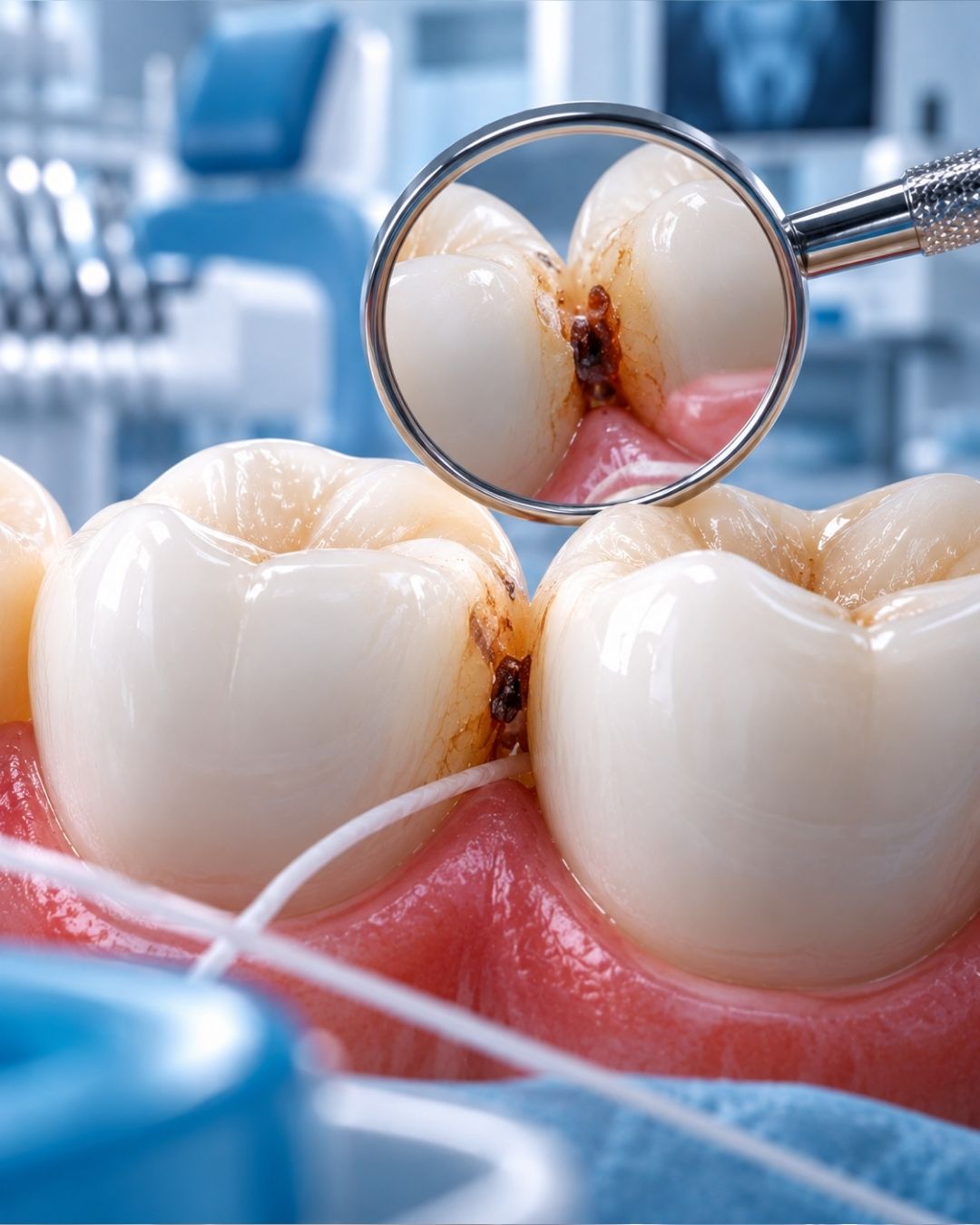
Tooth decay does not always occur on easily visible surfaces. Cavities that develop in the areas where adjacent teeth touch, in particular, can progress unnoticed for a long time. This condition is commonly referred to as “interdental decay” or “interproximal decay.” The inability of toothbrush bristles to adequately reach the narrow spaces between teeth can facilitate the accumulation of plaque and food debris in these areas.

In this article, as Avrupa UBK Dental, we discuss the causes of interdental cavities, the symptoms that may appear, and the measures to take to prevent them.

What Is Interdental Decay?

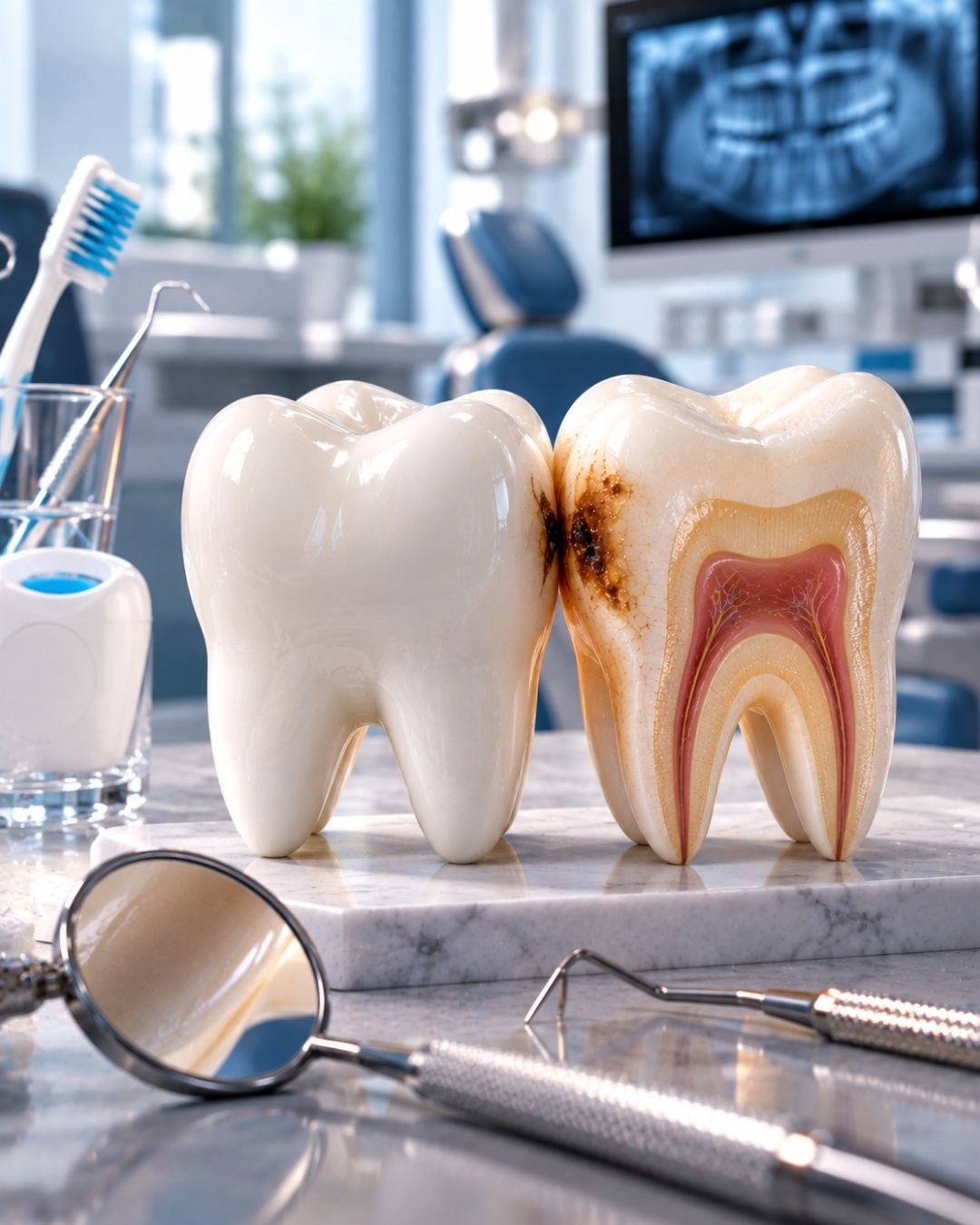
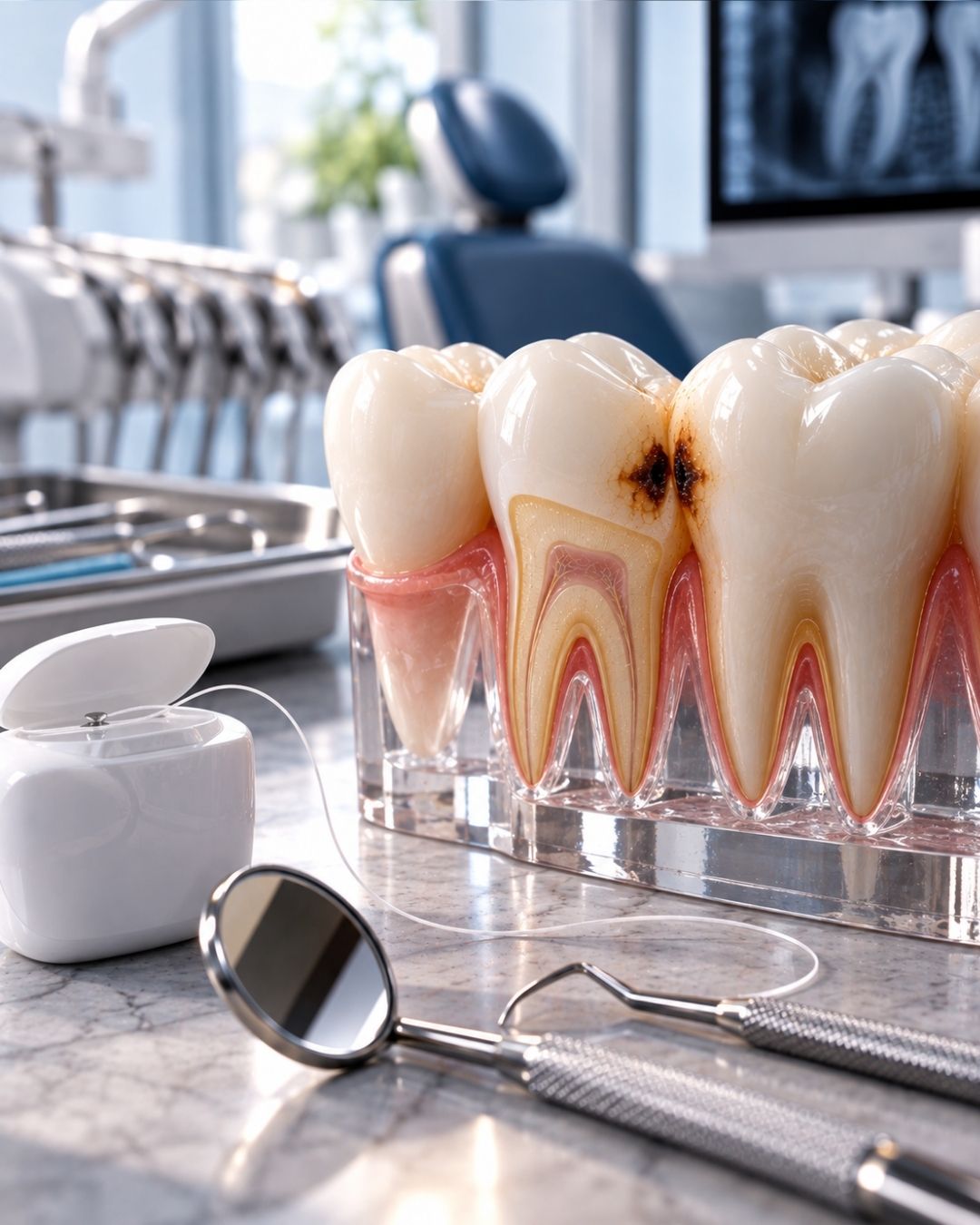
Interdental cavities are cavities that develop on the contact surfaces of adjacent teeth. Since these areas may not be directly visible, the individual might not notice the cavity during its early stages. As the decay progresses, the loss of tooth structure can increase, and various symptoms may arise. Therefore, the absence of visible problems when simply looking at the teeth in a mirror does not mean there are no cavities between the teeth.

Why Do Cavities Form Between Teeth?

Bacteria within the plaque accumulating on tooth surfaces can produce acid by utilizing carbohydrates found in food. The repeated exposure of tooth surfaces to these acids can contribute to mineral loss and the development of cavities over time. Failure to clean the areas between teeth, frequent consumption of sugary foods and beverages, and inadequate oral hygiene can increase this risk. In particular, relying solely on a toothbrush while neglecting interdental cleaning can allow plaque to continue accumulating in these areas.

How to Detect Interdental Decay?

Interproximal cavities (cavities between teeth) may not present any symptoms in the early stages. As the decay progresses, sensitivity to hot, cold, or sweet foods and beverages may develop. Discomfort while eating or pain during chewing between the teeth may be experienced. Dental floss consistently snagging or shredding in a specific area is also a sign that may warrant a professional dental evaluation. However, none of these symptoms alone definitively indicates the presence of a cavity; a dental examination is required for a conclusive assessment.

Why Might Cavities Between Teeth Go Unnoticed for a Long Time?

While some cavities on the chewing surfaces of teeth are visible to the naked eye, those located on the surfaces between teeth are harder to spot. Consequently, interdental cavities may go unnoticed until significant pain develops. This is one of the reasons why regular dental check-ups are important; in addition to a clinical examination, a dentist can use dental radiographs when necessary to assess areas that cannot be seen directly.

Does Using Dental Floss Prevent Interdental Cavities?

A toothbrush forms the foundation of oral care, yet it may not reach every surface between the teeth. Dental floss or suitable interdental cleaning tools can help remove plaque and food debris from areas that a toothbrush cannot reach. Regular interdental cleaning is a crucial part of oral care for preventing tooth decay and gum problems. Depending on an individual’s dental structure, the use of dental floss, interdental brushes, or other oral care products may be recommended.

How are cavities between teeth treated?

The treatment method may vary depending on the extent of the tooth decay. For early-stage lesions detected in the initial phase, the dentist might consider preventive measures and adjustments to oral hygiene habits. If there is a loss of tooth structure, restorative treatment may be required after the decayed tissue is removed. If the decay has advanced significantly and reached the tooth’s pulp tissue, more extensive treatments—such as root canal therapy—may become necessary. Therefore, it is important to detect the decay as early as possible.

Shopping Basket
Call Now Button