gulus-tasariminin-onemi-ve-temel-ilkeler-kapak-gorsel

Importance of Smile Design and Basic Principles

Importance of Smile Design and Basic Principles

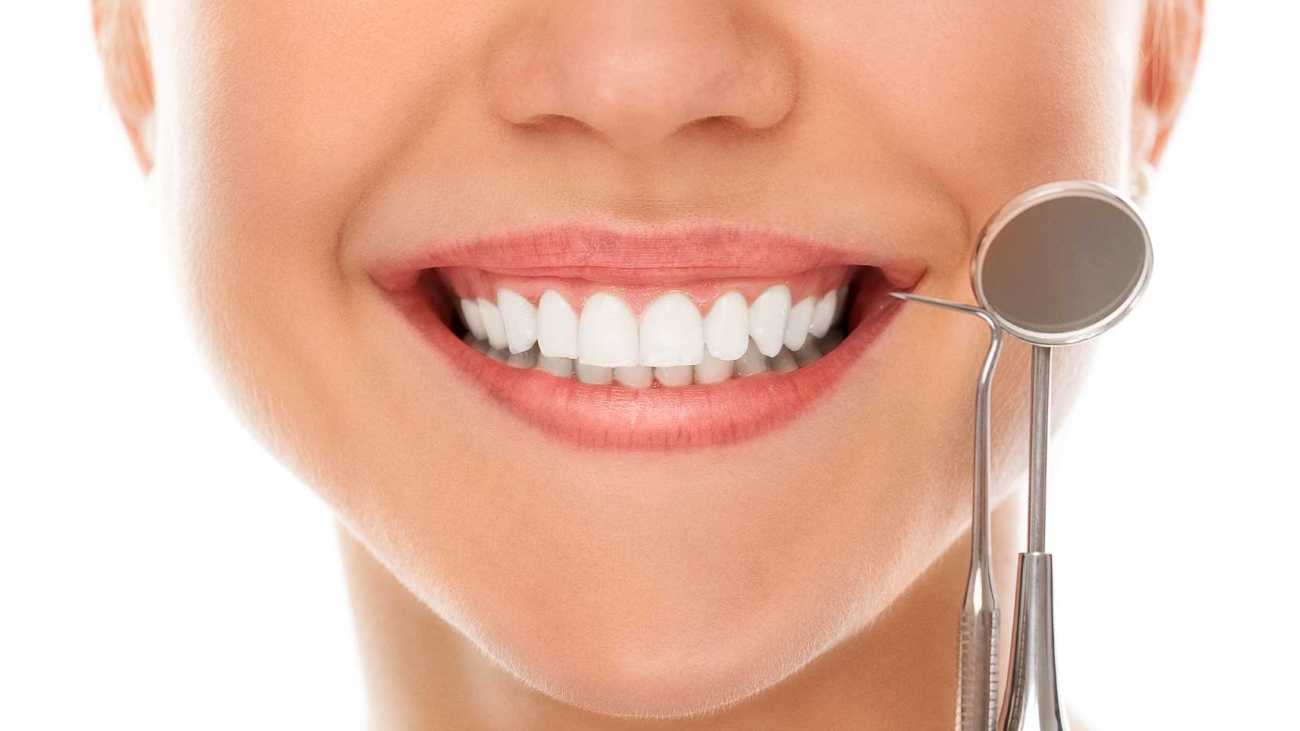
Smile design is an art that shapes not only the regularity of teeth, but also a person’s facial expression, self-confidence and general appearance.

A healthy and aesthetic smile can improve the overall quality of life and strengthen one’s self-confidence. In this article, we will go on a journey to understand the importance of smile design and discover its basic principles.

Importance of Smile Design

  1. Building Self-Confidence: Smile design not only corrects the aesthetic appearance of the teeth, but also helps the individual to be more comfortable in social interactions by increasing self-confidence.
  2. Shaping the General Appearance: The position, shape and colour of the teeth are important factors that determine the general appearance of the person. Smile design provides an aesthetic integrity by harmoniously combining these elements.
  3. Personal and Professional Relationships: A beautiful smile can have a positive impact on personal and professional relationships. Since the first impression is often formed through the smile, you can express yourself in the best way with an aesthetic smile.

Basic Principles of Smile Design

  1. Tooth Alignment Suitable for Face Shape: The arrangement of the teeth should be compatible with the individual’s face shape. The dentist must ensure that the teeth are placed appropriately according to the facial features of each person.
  2. Attention to Colour Harmony: Tooth colour should match the skin tone and general colour profile of the person. Colour selection is important for a natural and aesthetic appearance.
  3. Correction of Tooth Deficiencies: Smile design offers various methods to correct tooth deficiencies. Solutions such as implants, dentures or porcelain veneers can restore the aesthetic appearance of missing teeth.

4. Balanced Gums: Gums are also important in smile design. The gum line should be regular and symmetrical. There are various treatment options to improve gum aesthetics.

5. Focus on Personal Wants and Needs: Smile design takes into account the individual’s personal preferences and aesthetic expectations. The smile design of each individual should be shaped in line with his/her special wishes.

Smile design helps to achieve an aesthetic smile by emphasising the natural beauty of the person. Creating a personalised smile design plan in collaboration with a dentist is an important step towards a healthy and beautiful smile.

dis-bozuklugundan-kusursuz-guluse-kapak-gorsel

From Tooth Disorders to a Perfect Smile: The Role of Porcelain Laminates

From Tooth Disorders to a Perfect Smile: The Role of Porcelain Laminates

A healthy and aesthetic smile can increase self-confidence and positively affect social interactions. However, dental disorders or aesthetic problems can make it difficult for many to achieve this standard of beauty.

At this point, porcelain laminates come into play and play an important role on the way from dental defects to a perfect smile.

What are Porcelain Laminates?

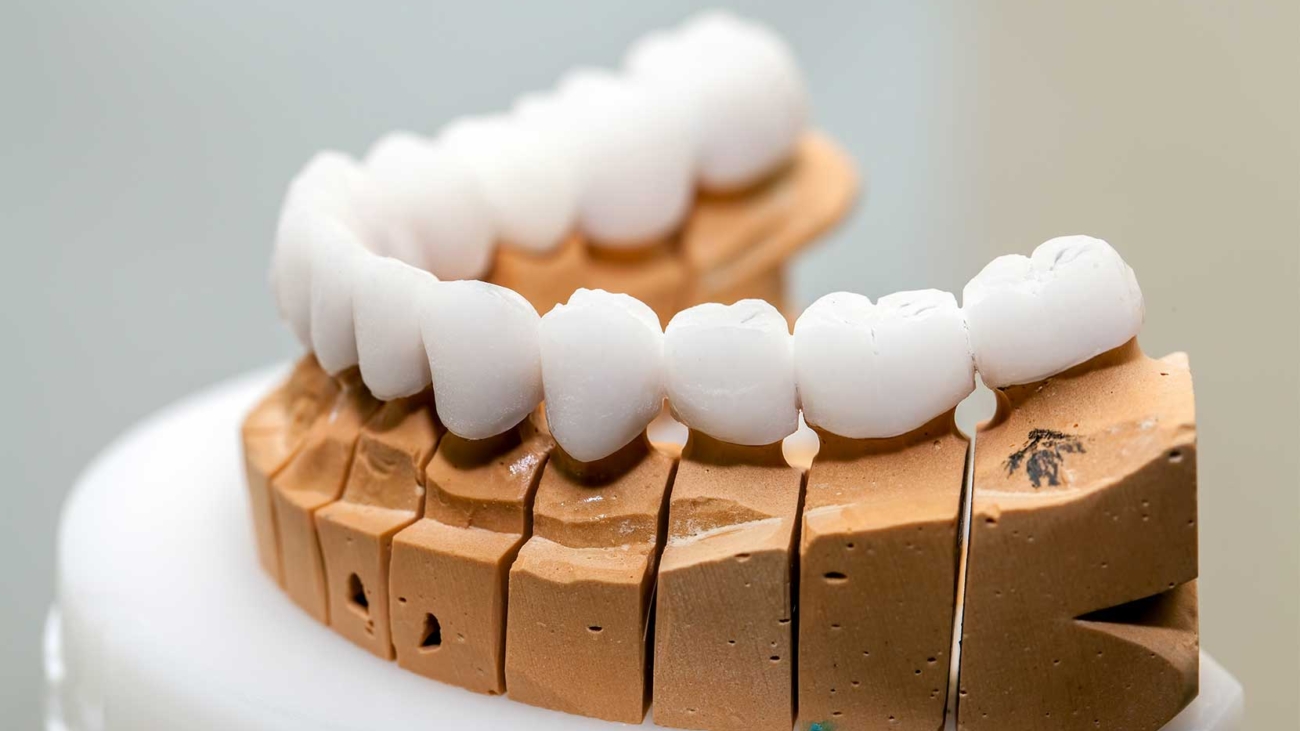
Porcelain laminates are thin and specially shaped porcelain veneers. These laminates are applied to the front surface of the teeth and can be customized in color, size and shape. With these features, it is preferred as a solution for dental disorders.

The Role of Porcelain Laminates: Correcting Dental Deformities and Aesthetic Problems

  1. Discoloration and Stain Problems: Porcelain laminates are an effective solution to cover discoloration and stains on teeth. Discoloration caused by caffeine, smoking or aging can be hidden with porcelain laminates.

  2. Correction of Tooth Spacing and Curvature: Individuals with tooth spacing or curvature can achieve a regular smile thanks to porcelain laminates. Laminates provide an aesthetic order by adjusting the position of the teeth.

3. Repairing Broken or Worn Teeth: Broken or worn teeth can be repaired with porcelain laminates. These laminates offer both a healthy and aesthetic appearance by reconstructing the tooth structure.

4. Ensuring Symmetry: Porcelain laminates help to achieve a smile that is more suitable for the facial structure of the person by correcting the symmetry of the teeth. Symmetrical teeth make the smile look natural and attractive.

Porcelain laminates are an effective option for correcting aesthetic problems caused by dental disorders and achieving a flawless smile. However, it is important to collaborate with a dentist to get the best results.

dogru-dis-fircalama-teknikleri-kapak-gorsel

Correct Teeth Brushing Techniques: Steps for a Healthy Smile

Correct Teeth Brushing Techniques: Steps for a Healthy Smile

Having healthy teeth starts with regular tooth brushing habits. However, knowing the right techniques can further strengthen your dental health.

In this article, you will find the steps you need to take for a healthy smile by learning correct tooth brushing techniques.

1. Choosing a Toothbrush: Find a Quality and Compatible Brush

Proper tooth brushing starts with choosing a suitable toothbrush. Toothbrushes with medium hardness, small heads and rounded bristles are generally preferred. It is important to choose a toothbrush that complies with your dentist’s recommendations to avoid scratching the tooth enamel.

2. Brushing Time: Allocate Minimum Two Minutes

It is important to spend at least two minutes for effective tooth brushing. By focusing equally on each tooth surface and gums, you can prevent plaque buildup and protect your dental health.

3. Brushing with Proper Technique: Move Along the Gum Line

When brushing your teeth, gently brush in circular motions along the gum line. By combining vertical, horizontal and circular movements, you can reach every surface equally. Avoid excessive pressure when brushing your teeth, as this can damage tooth enamel.

4. Tongue Cleaning: Use a Tongue Cleaning Tool

It is important to add tongue cleaning to your tooth brushing routine. Tongue cleaners can help prevent bad breath by removing bacteria from the surface of the tongue. Tongue cleaning ensures that your oral hygiene is complete.

5. Flossing and Interdental Cleaning: Clean the Gaps Between Teeth

In addition to brushing your teeth, flossing is also important. You can prevent tooth decay by cleaning the plaque and food debris that accumulate in the spaces between your teeth. It is important to learn the correct techniques for using dental floss by discussing it with your dentist.

6. Regular Dental Checkups: Visit Your Dentist

Visiting your dentist regularly is the key to a professional assessment of your dental health and early diagnosis. Going to dental check-up appointments at least twice a year helps you identify potential problems in advance and provide solutions.

grip-mevsimi-agiz-ve-dis-sagligi-kapak-gorsel

Oral Hygiene During Flu Season: Recommendations for a Healthy Smile

Oral Hygiene During Flu Season: Recommendations for a Healthy Smile

Flu season is a period when infectious diseases are common, and during this period, it is necessary to pay special attention to oral hygiene as well as general health.

In this article, you will find tips on the importance of protecting your oral health during the flu season and the precautions that can be taken during this period.

1. Wash Your Hands Frequently, Pay Attention to Oral Hygiene

The flu virus often spreads through the hands, so it’s important to wash your hands regularly. Taking care of your oral hygiene after washing your hands can prevent viruses from reaching the mouth. Habits such as brushing your teeth, flossing and using mouthwash are measures that will strengthen your oral hygiene.

2. Maintain the Habit of Drinking Water

Drinking water during flu season is important for both general health and oral health. Drinking plenty of water cleans bacteria in the mouth, prevents dry mouth and supports the immune system. It is important to maintain your water drinking habit, especially as hot drink consumption increases during this period.

3. Don't Neglect Tooth Brushing and Flossing

It is important not to skip tooth brushing and flossing to take care of oral hygiene during the flu season. Removing bacterial plaque from the mouth by brushing your teeth regularly and using dental floss are essential steps to maintaining your dental health.

4. Use Mouthwash

Using a mouthwash that contains an antiseptic can help improve your oral hygiene during flu season. These products support your oral health by fighting oral bacteria and reducing contact with viruses.

5. Get Your Oral Health Checked and Consult Your Dentist

Getting your oral health checked during flu season is important to detect potential problems early. By consulting your dentist for regular check-ups, you can evaluate your oral health from a professional perspective and get recommendations.

kis-aylarinda-dis-sagligi-kapak-görsel

Dental Health in Winter: Oral Care in Cold Weather

Dental Health in Winter: Oral Care in Cold Weather

The cold winter months are not only a time when we should dress outside, we should also take special precautions to protect our dental health.

Cold weather can increase tooth sensitivity and have an impact on our oral health. In this article, you will find some important tips on how you can protect your dental health during the winter months.

1. Hot Drinks and Tooth Sensitivity

Cold weather can further increase tooth sensitivity, so you should be careful during a period when hot drinks can cause more damage to your teeth. Using a straw or drinking at a warmer temperature when consuming beverages such as tea, coffee or hot chocolate can help reduce tooth sensitivity.

2. Using Sensitive Toothpaste and Toothbrush for Tooth Sensitivity

When tooth sensitivity increases during the winter months, it is important to use a specially formulated sensitivity toothpaste and toothbrush. These products can help strengthen tooth enamel and reduce sensitivity.

3. Drinking Plenty of Water and Paying Attention to Oral Hygiene

It is important to drink plenty of water during the winter months, when hot drinks are consumed more. Drinking water helps maintain your oral hygiene and fights bacteria in the mouth. Additionally, regular brushing and flossing will support your dental health during the winter months.

4. Trying Mouth Solutions and Mouthwashes

Mouth solutions and antiseptic mouthwashes can improve your oral hygiene and fight bacteria in your mouth. It is important to consult your dentist before using these products.

5. Don't Neglect Regular Dental Checkups

An important way to protect your dental health during the winter months is regular dental checkups. Keeping scheduled appointments with your dentist can help diagnose and treat potential problems early.

dis-sagligi-beslenme-kapak

Dietary Habits Affecting Dental Health: Tips and Recommendations

Dietary Habits Affecting Dental Health: Tips and Recommendations

Having healthy teeth is possible not only with regular tooth brushing and dentist visits, but also with correct eating habits.

In this article, we will focus on nutritional habits that affect dental health and discuss ways to have strong and healthy teeth with proper nutrition.

1. Avoid Sugar and Refined Carbs

Sugary foods and drinks can form plaque on the teeth, causing decay. Because:

  • Limit Sugary Drinks: Teach your children and yourself to consume less sugary drinks.

  • Use Healthy Alternatives for Snacks: Choose sugar-free or low-sugar snacks.

2. Choose Foods Rich in Calcium and Vitamins

Calcium and vitamins are critical for dental health. Because:

  • Consume Milk and Dairy Products: Milk and dairy products rich in calcium can strengthen tooth enamel.

  • Don’t Neglect Green Vegetables: Green vegetables such as broccoli and spinach are vitamin-rich foods.

3. Choose Tooth-Friendly Snacks

The right snacks positively affect dental health. Because:

  • Consume Apples and Carrots: Foods that require chewing, such as apples and carrots, can strengthen gums.

  • Almonds and Hazelnuts: They contain calcium and phosphorus, which are beneficial for dental health.

4. Make sure to drink plenty of water

Drinking water cleans the acids formed in the mouth and prevents mouth dryness. Because:

  • Drink Water Before and After Meals: Drinking water before and after meals is important to maintain dental health.

5. Limit Coffee and Tea Consumption

Coffee and tea can cause discoloration and staining of teeth. Because:

  • Limit Drinking Tea and Coffee: Be careful not to exceed a certain amount per day.
cocuk-dis-sagligi-kapak

Dental Health for Children: Tips and How to Provide Education

Dental Health for Children: Tips and How to Provide Education

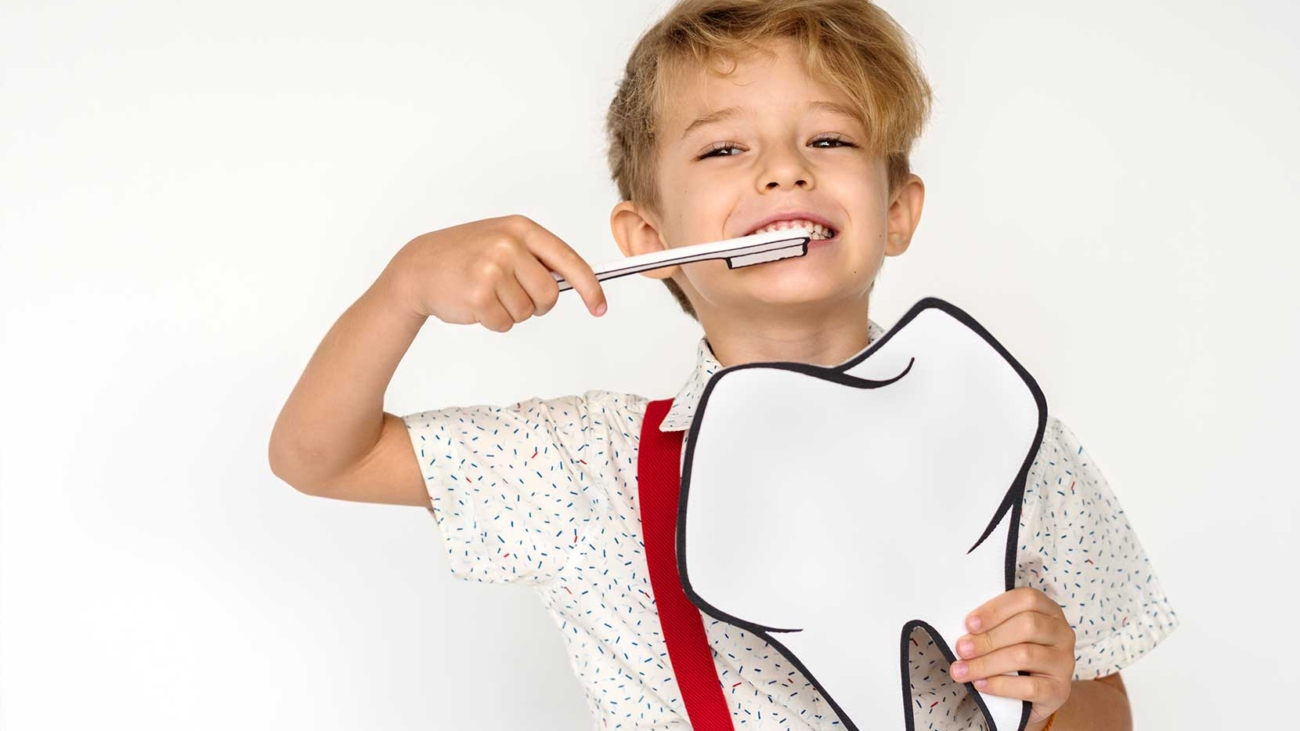
Instilling proper dental care habits in children lays the foundation for a healthy smile. In this article, we will discuss important tips and effective educational methods to preserve your children’s dental health.

Healthy teeth are crucial for the overall health of children, so it’s important to be conscious about this matter.

1. Instilling the Habit of Brushing Teeth

Teaching your children the habit of regular tooth brushing is the first step for healthy teeth and gums. Here are some tips to establish this habit:

  • Use Fun Toothbrushes: Make the tooth brushing process fun by using colorful and kid-friendly toothbrushes.

  • Brush Together: Brushing teeth together with your child turns it into a fun activity while demonstrating the correct techniques.

  • Tooth Brushing Songs and Games: Teach your children to brush their teeth with fun songs or games during the brushing time.

2. Establishing Healthy Eating Habits

Healthy eating positively influences the dental health of children. Avoiding sugary and acidic foods helps prevent tooth decay. Here are some suggestions for establishing healthy eating habits:

  • Consumption of Vegetables and Fruits: Encourage your children to enjoy colorful and vitamin-rich vegetables and fruits.

  • Encourage Drinking Water: Drinking water is important for both overall health and dental health. Teach your children the habit of drinking water regularly.

3. Making Dental Checkups a Routine

It is important for your children to go to the dentist for regular check-ups and to diagnose and prevent possible problems early. Here are suggestions for creating this habit:

  • Create Different Experiences: Make dentist visits a positive experience. It is important to choose a good dentist and a friendly environment.

  • Use Rewards: You can establish a positive bond by rewarding your child with small rewards after dentist visits.

agiz-kokusu-kapak

Bad Breath: Causes and Solutions

Bad Breath: Causes and Solutions

Bad breath is an unpleasant condition that many people encounter. In this article, we will discuss the causes of bad breath and effective solutions.

Understanding and addressing this issue is important for feeling more confident and comfortable.

1. Causes of Bad Breath

a. Bacteria and Plaque: Bacteria and plaque in the mouth can accumulate between teeth and on the surface of the tongue, leading to bad breath.

b. Dry Mouth: Dryness in the mouth can reduce saliva production, leading to bacterial growth.

c. Tooth Decay and Gum Problems: Dental health issues can contribute to the spread of bad breath.

d. Poor Nutrition: Certain foods like spicy foods, onions, garlic, etc., can cause bad breath.

2. Solutions for Bad Breath

a. Regular Dental Hygiene: Brushing your teeth at least twice a day and using dental floss can reduce bacteria in the mouth.

b. Tongue Cleaning: You can use tongue cleaners to remove bacteria accumulated on the surface of the tongue.

c. Hydration: Drinking plenty of water can be a natural solution against bad breath by preventing dry mouth.

d. Proper Nutrition: It is important to limit foods that can cause bad breath or pay attention to oral hygiene after consuming such foods.

dis-agrisi-kapak-görsel

Tooth Pain: Causes, Treatments, and Emergency Situations

Tooth Pain: Causes, Treatments, and Emergency Situations

Tooth pain is a discomforting condition experienced by many individuals. In this article, we will explore the causes of tooth pain, treatment options, and emergency situations.

What you need to know to manage tooth pain and maintain your dental health.

1. Causes of Tooth Pain

a. Tooth Decay: One of the most common causes of tooth pain is tooth decay. Bacteria damage the tooth enamel, leading to sensitivity or pain.

b. Gum Infections: Gum infections can be associated with conditions like gum inflammation or periodontitis, leading to tooth pain.

c. Teeth Clenching and Grinding: These habits can cause tooth pain due to stress on the teeth.

d. Tooth Fractures: Tooth fractures can cause pain when eating or when pressure is applied.

2. Treatments for Tooth Pain

a. Consultation with a Dentist: If tooth pain is severe or persistent, you should seek advice from a dentist. A professional’s assistance is needed to diagnose the cause of tooth pain and recommend appropriate treatment.

b. Painkillers: Over-the-counter painkillers can be used for mild pain, but this is a temporary solution.

c. Dental Cleanings and Fillings: Cleanings or fillings can be done for pain caused by tooth decay or gum problems.

3. Emergency Situations

a. Tooth Breakage or Fracture: Tooth breakage or fracture is an emergency situation. Save the broken tooth fragment and seek immediate attention from a dentist.

b. Mouth Wound and Bleeding: If there is a wound or severe bleeding in the mouth, you should consult a dentist immediately.

dis-beyazlatma

Teeth Whitening Procedures and Options

Teeth Whitening Procedures and Options

Teeth whitening is a popular method for achieving a brighter and more attractive smile.

In this article, we will explore teeth whitening procedures and available options. If you want to have whiter and healthier teeth, here’s what you need to know.

1. What is Teeth Whitening?

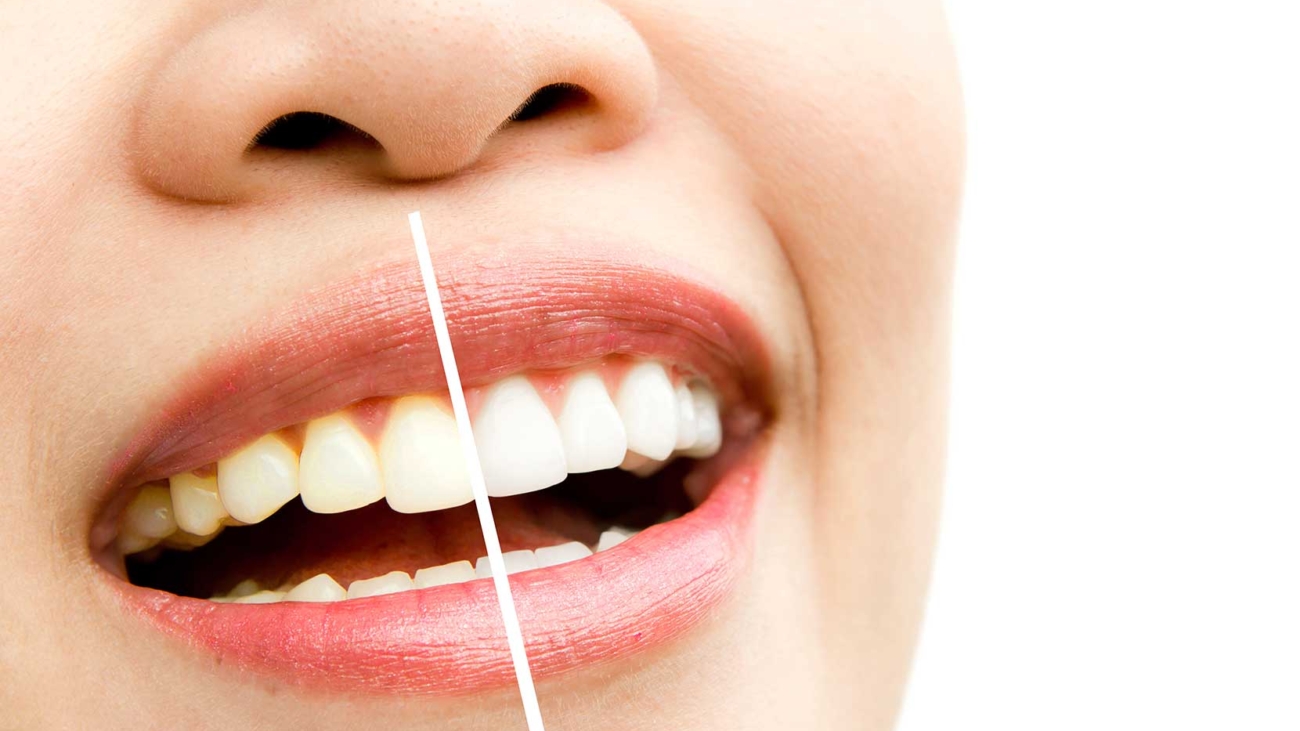
Teeth whitening is a cosmetic procedure applied to lighten the color of teeth and eliminate stains. It is typically performed without causing damage to the tooth enamel. The teeth whitening process can be performed through various methods.

2. Teeth Whitening Procedures

a. At-Home Teeth Whitening: It can be done at home using custom trays and whitening gels provided by a dentist. This method involves a longer process, but the results are noticeable.

b. In-Office Teeth Whitening: It is conducted in the office under the supervision of a dentist. This is a fast and effective method that can make your teeth whiter.

c. Laser Teeth Whitening: It is a teeth whitening procedure using high-energy laser light. It typically provides faster results.

3. Who Can Undergo Teeth Whitening?

Teeth whitening is suitable for many individuals with healthy teeth. However, it may not be suitable for those who are pregnant or breastfeeding, individuals under the age of 16, and those with serious dental issues. In any case, it is important to consult with a dentist.

"4. How Long Do Teeth Whitening Results Last?

The results of teeth whitening can vary from person to person, but generally, they can last from a few months to a few years. To maintain the results for a longer period, it is important to avoid smoking and limit the consumption of coffee and tea.