kanal-tedavisinden-sonra-dis-neden-agrir

Why does a tooth hurt after root canal treatment?

Why does a tooth hurt after root canal treatment?

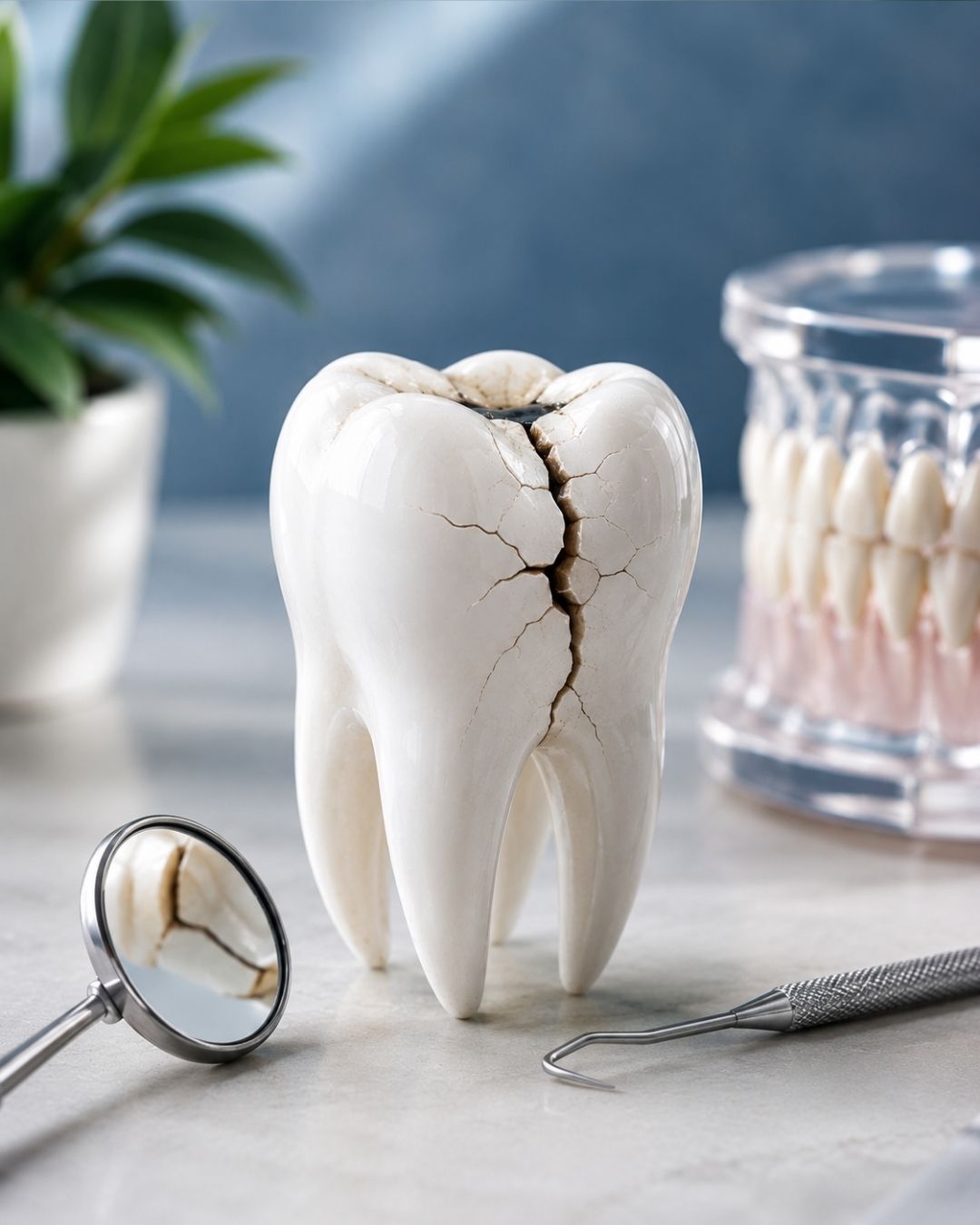
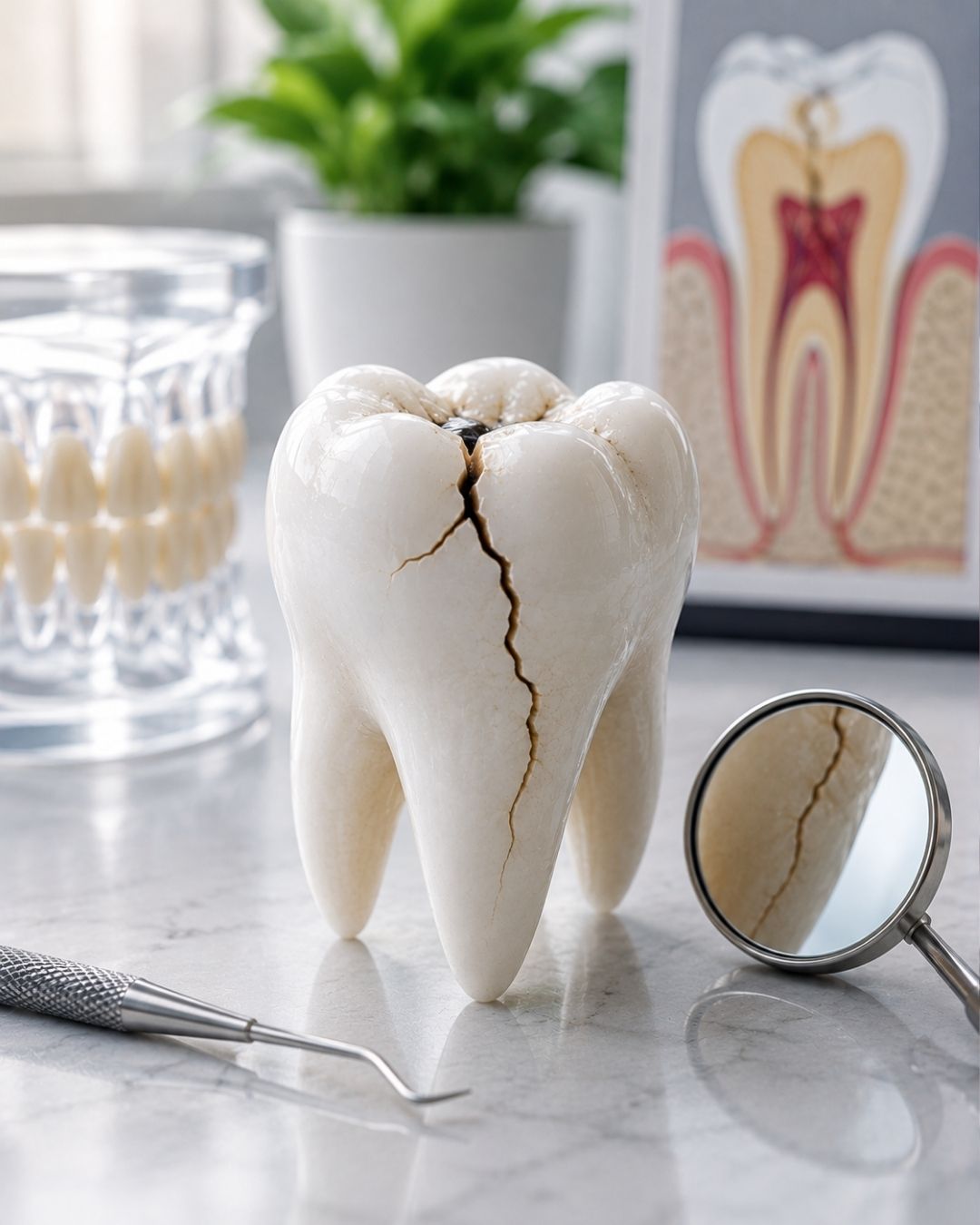
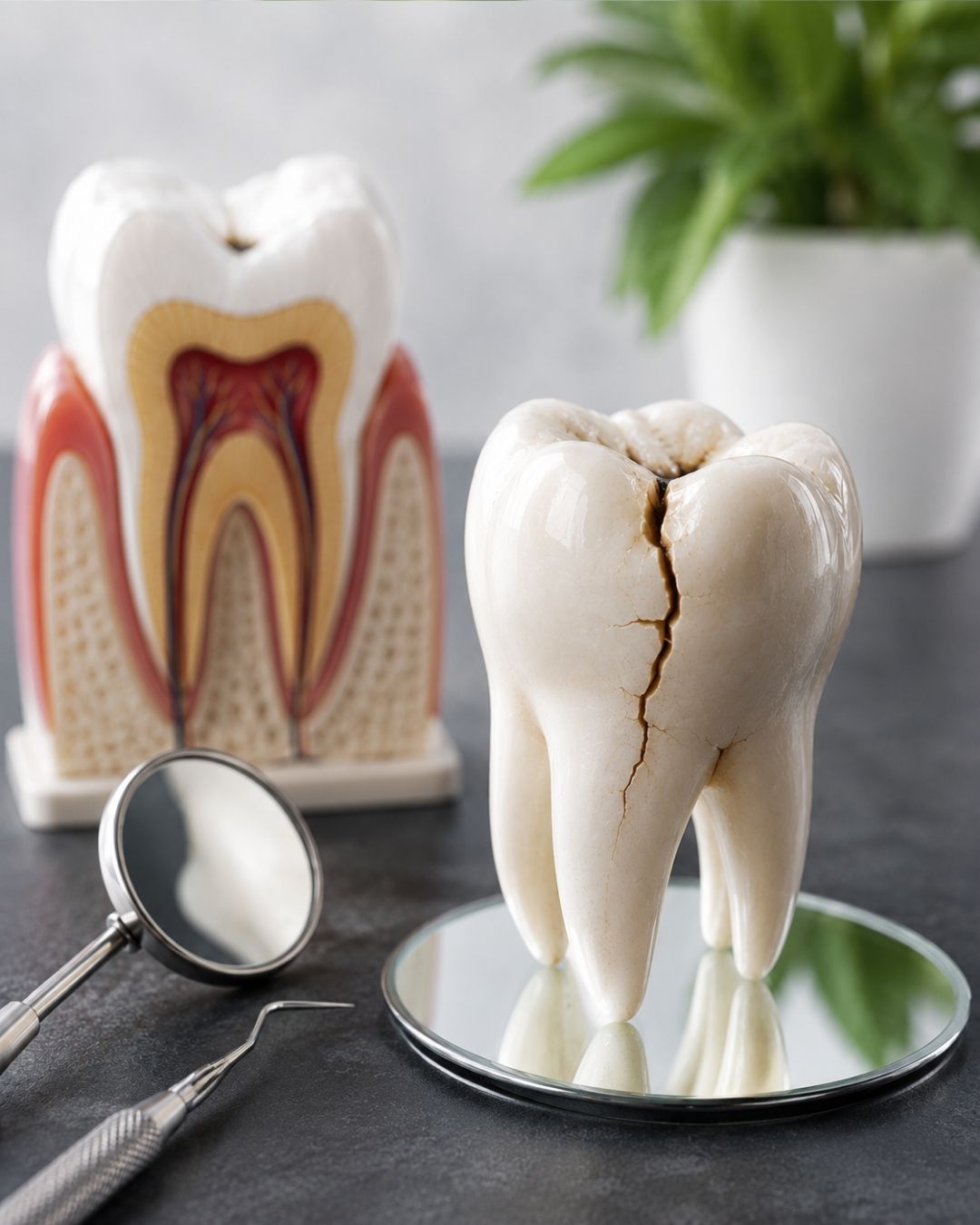
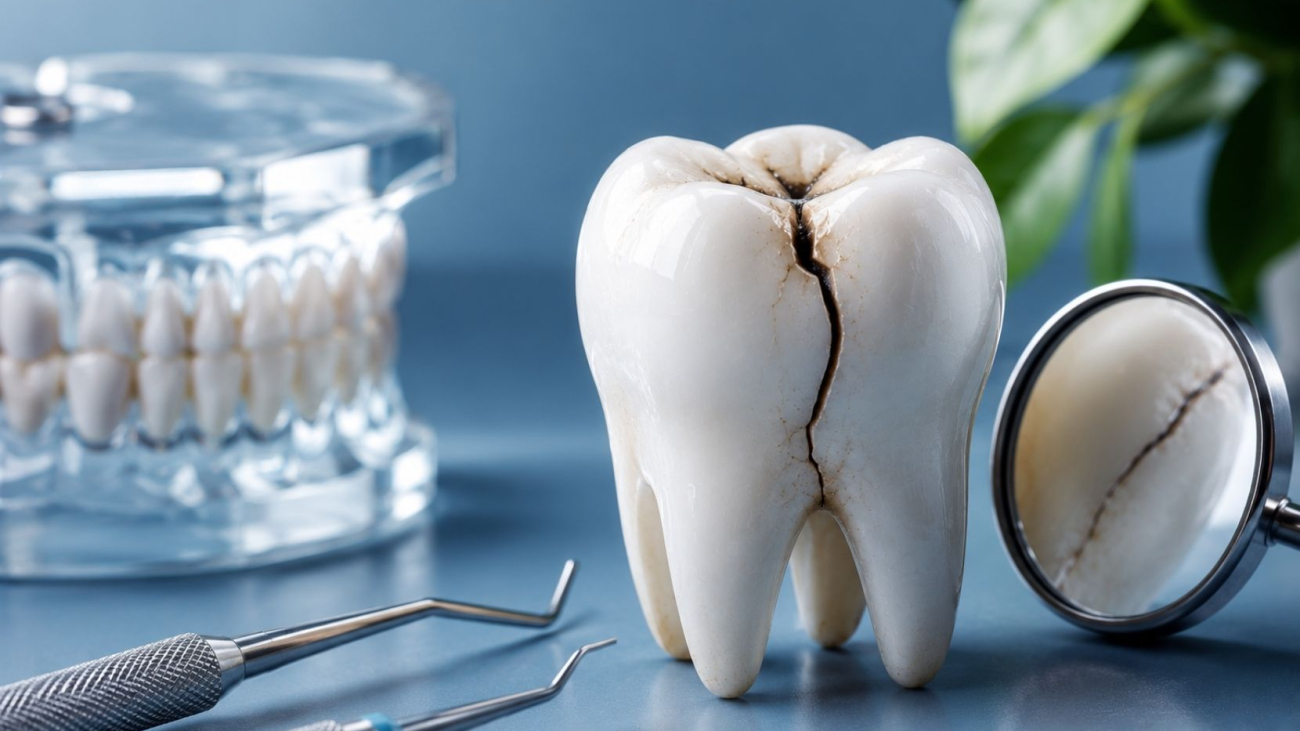
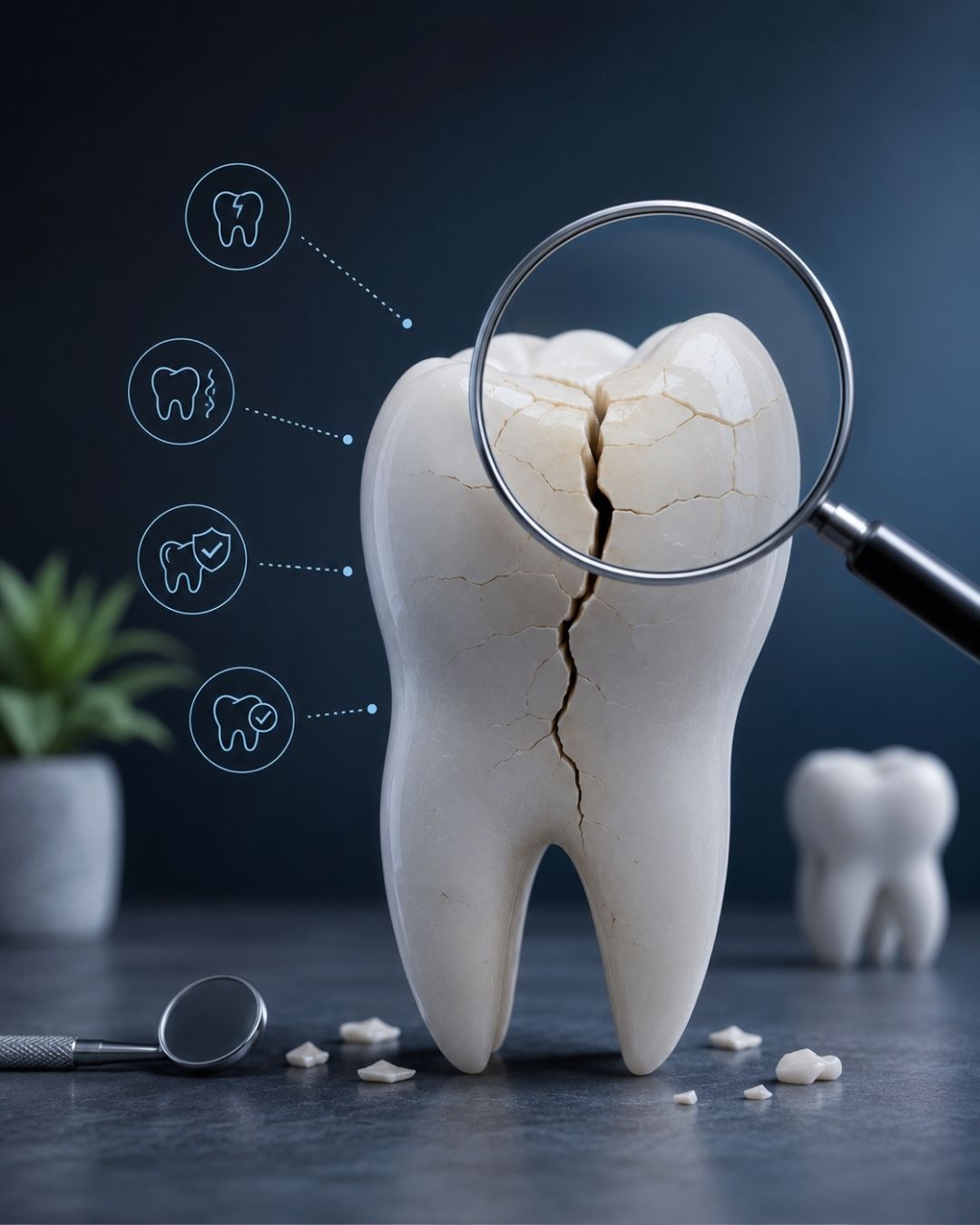
Root canal treatment is a treatment method that aims to save a tooth damaged by decay or infection by cleaning the pulp tissue inside the tooth and filling the root canals.

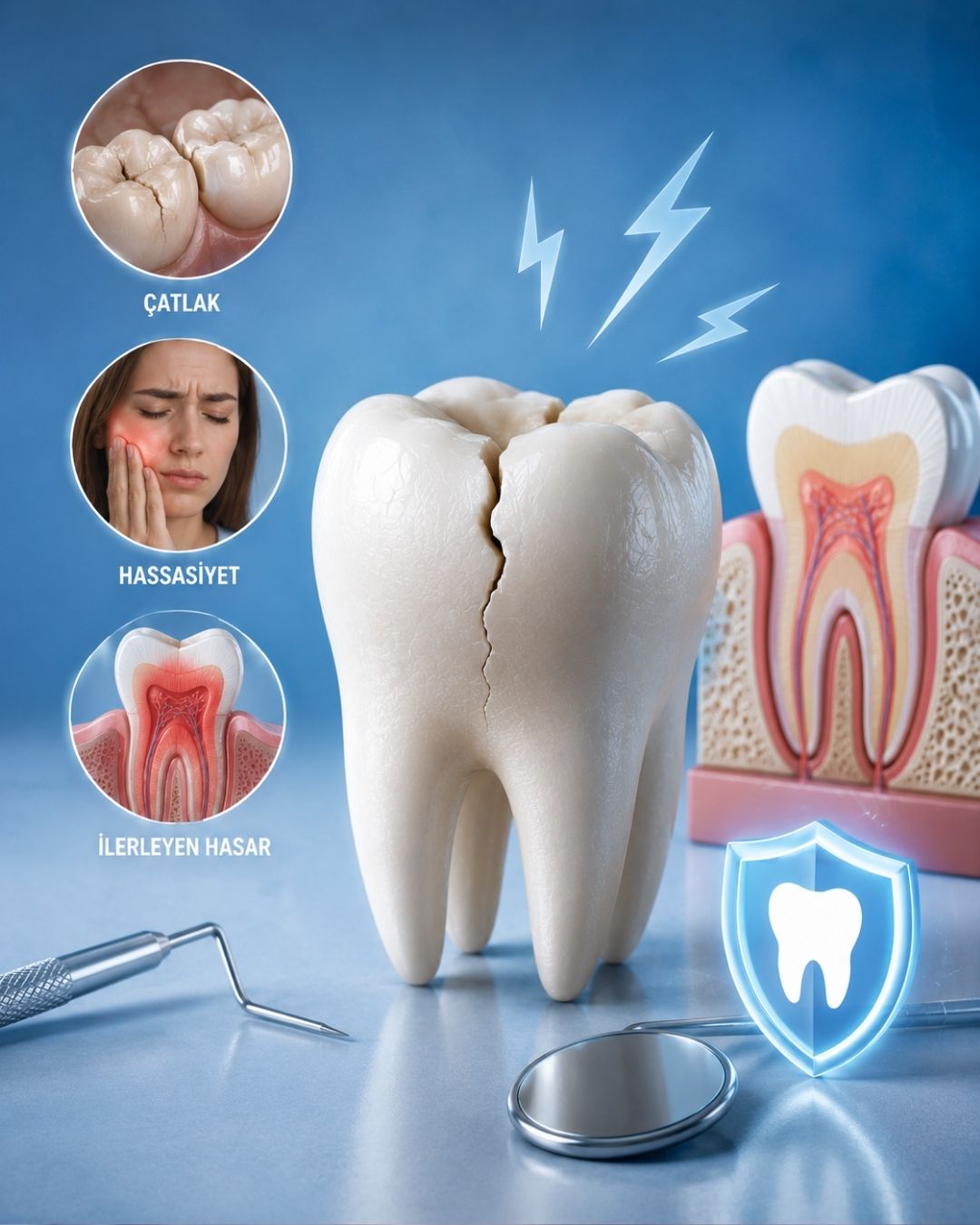
This procedure is usually done to relieve pain. However, in some cases, patients may experience short-term pain or tenderness after root canal treatment. This is often part of a normal healing process and usually subsides within a few days.

Sensitivity that Occurs After Root Canal Treatment

During root canal treatment, the root canals of the tooth are cleaned and infected tissues are removed. This procedure may cause the tissues around the tooth to be sensitive for a while. It is possible to feel mild pain, especially when pressure is applied to the tooth in the first few days after treatment. This is considered a natural reaction of the tissues around the tooth root to the treatment.

Pain due to chewing pressure.

The connective tissues surrounding the treated tooth may be slightly affected during the procedure. Therefore, pressure applied to the tooth during chewing may cause pain. This sensitivity usually decreases as the tooth heals, and the tooth returns to its normal function.

Remnants of Inflammation and Infection

In some cases, the infection in the root canals can be quite deep, and the surrounding tissues may also be affected. After root canal treatment, the body may continue to fight off remnants of this infection. During this process, mild pain or a feeling of pressure may occur. However, this is usually temporary and will disappear over time with proper treatment.

High Filler or Coating

After root canal treatment, a filling or crown placed on the tooth can sometimes cause the tooth to make more contact with other teeth during chewing. This can cause a feeling of pressure and pain in the tooth. In such a case, a small adjustment by the dentist can quickly resolve the problem.

When should you see a dentist?

Mild sensitivity may last for a few days after root canal treatment. However, if the pain is severe, progressively worsening, or persists for a long time, it should definitely be evaluated by a dentist. Symptoms such as swelling, fever, or significant gum tenderness may also require professional examination.

Regular dental check-ups are of great importance at this point. Bayrampaşa Dental Clinic aims to provide its patients with appropriate solutions by thoroughly evaluating the complaints that may arise after root canal treatment. Avrupa UBK Dental, on the other hand, offers comprehensive services aimed at protecting dental health with its modern treatment techniques and experienced staff.

Conclusion

Kanal tedavisinden sonra hissedilen hafif ağrı veya hassasiyet çoğu zaman normal bir iyileşme sürecinin parçasıdır. Diş çevresindeki dokuların iyileşmesiyle birlikte bu şikayetler genellikle kısa sürede azalır. Ancak beklenenden uzun süren veya şiddetli ağrılar mutlaka uzman bir diş hekimi tarafından değerlendirilmelidir. Doğru takip ve düzenli kontroller sayesinde kanal tedavisi yapılan diş uzun yıllar sağlıklı şekilde kullanılabilir.

agiz-ve-dis-sagligi-icin-sigara-birakma-rehberi

A Guide to Quitting Smoking for Oral and Dental Health

A Guide to Quitting Smoking for Oral and Dental Health

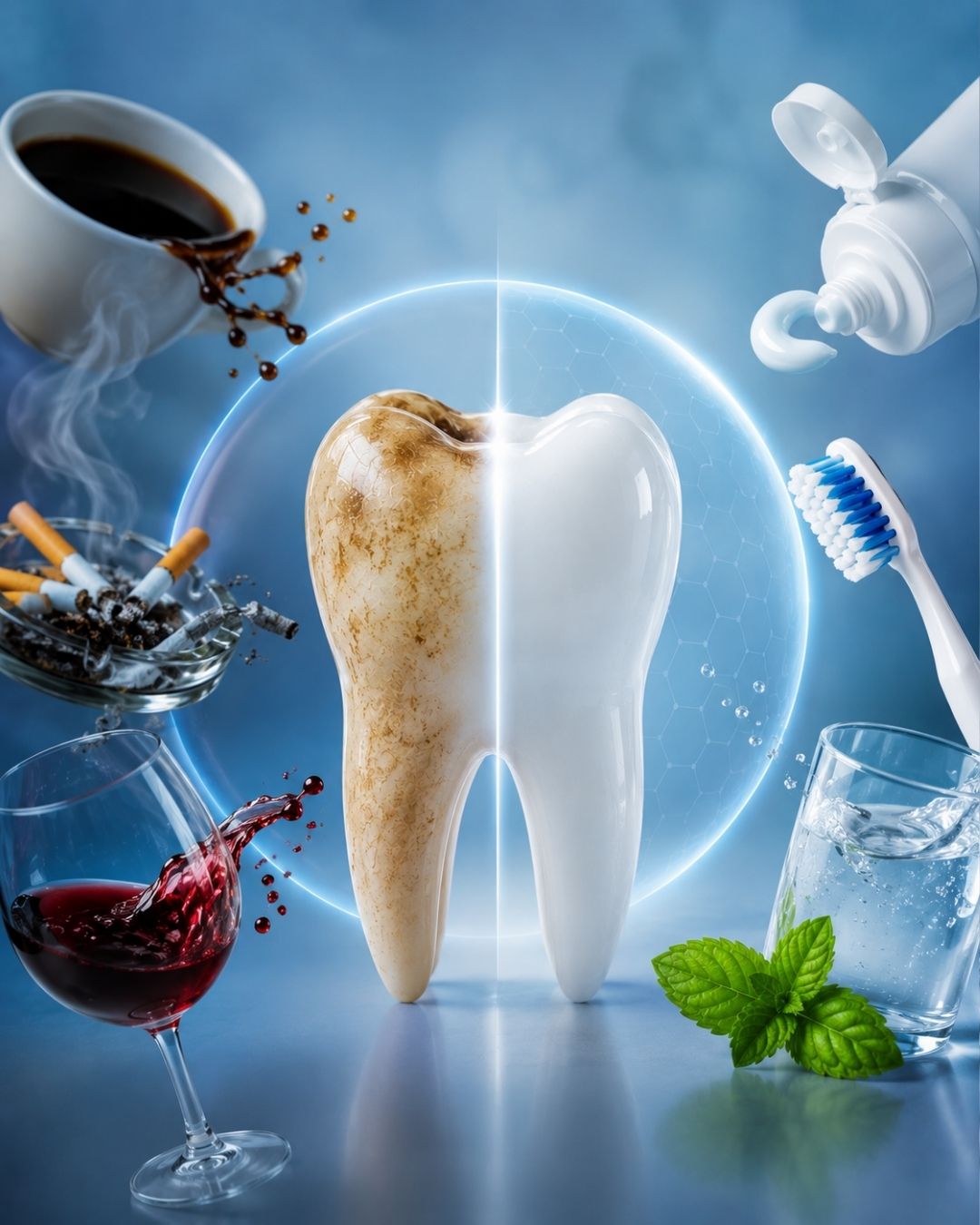
Smoking is a habit that seriously threatens not only lung and heart health, but also oral and dental health. Many problems, from gum disease and bad breath to tooth discoloration and an increased risk of oral cancer, can be rooted in smoking.

Quitting smoking allows oral tissues to regenerate, paving the way for a healthier oral structure.

The Effects of Smoking on Oral and Dental Health

The harmful chemicals in cigarette smoke damage gum tissue and reduce blood circulation. This weakens the gums’ defense mechanism, making them more susceptible to infections. It is known that gum disease progresses faster and responds less well to treatment in smokers.

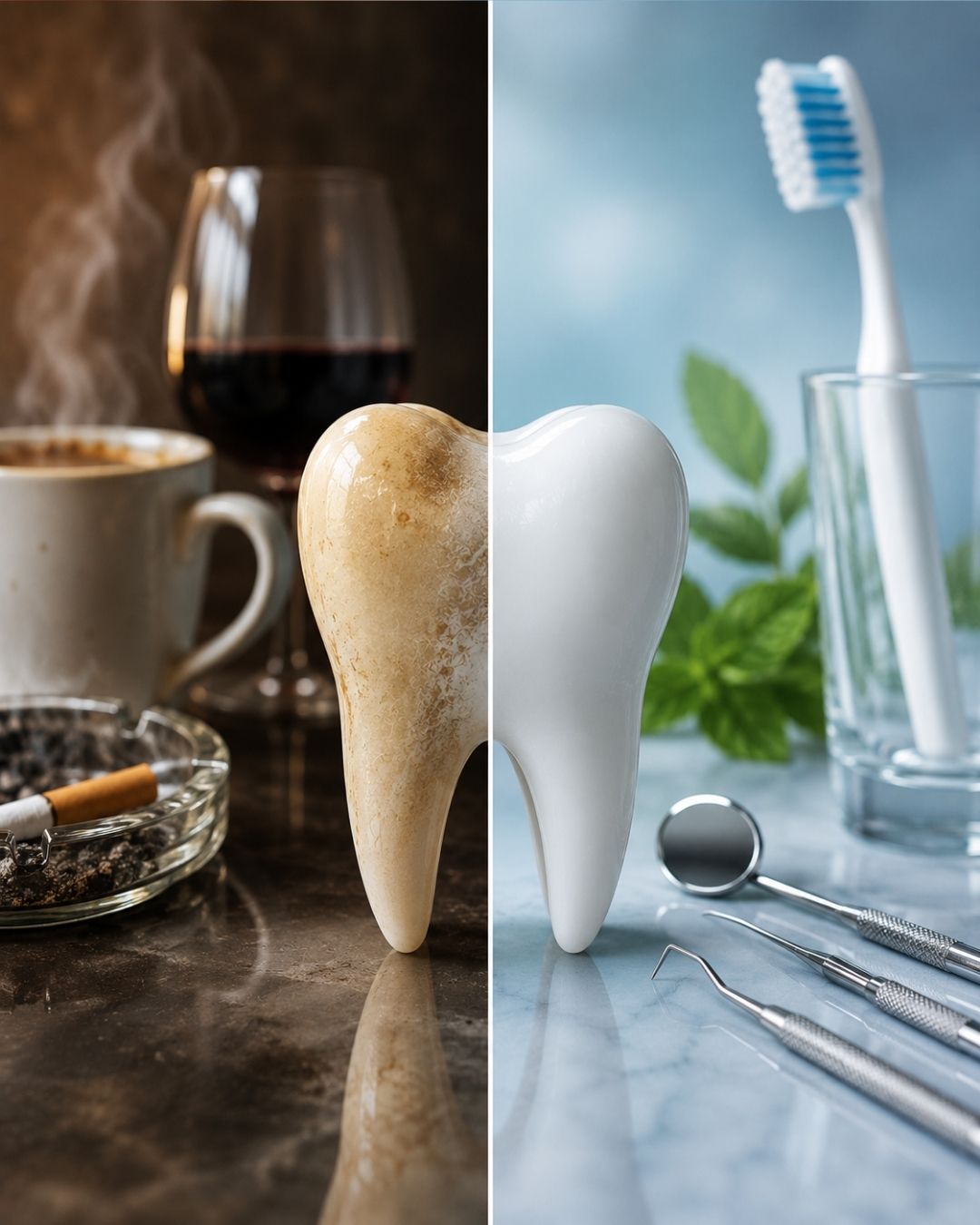
Smoking also causes yellowing and staining of the tooth surface, creating an aesthetically unpleasant appearance. Bad breath, decreased sense of taste, and dry mouth are also common consequences of smoking. In more serious cases, it can delay healing of oral tissues and increase the risk of oral cancer.

The Benefits of Quitting Smoking for Oral Health

Shortly after quitting smoking, blood circulation in the mouth begins to improve. Gums become healthier and their resistance to infections increases. Over time, bad breath decreases, the sense of taste improves, and the success rate of periodontal treatments increases.

In the long term, quitting smoking reduces the risk of tooth loss and provides protection against serious diseases such as oral cancer. It also makes it possible to achieve whiter teeth and a healthier smile.

Supporting Oral Health During the Smoking Cessation Process

Paying more attention to oral hygiene is important during the process of quitting smoking. Regular brushing, flossing, and antiseptic mouthwash help reduce the bacterial load in the mouth. Drinking plenty of water prevents dry mouth, while chewing sugarless gum increases saliva production, helping to maintain oral balance.

Regular dental check-ups are crucial during this process to monitor improvements in oral health. Bayrampaşa Dental Clinic offers comprehensive examination and care services to assess the effects of smoking on oral health and guide patients through the quitting process. Avrupa UBK Dental, on the other hand, supports the reconstruction of oral health after smoking cessation with a preventive dentistry approach.

Why is Psychological and Behavioral Support Important?

Quitting smoking is not only a physical process but also a psychological one. Stress management, developing healthy habits, and avoiding triggers play a significant role in this process. Noticing positive changes in oral health can increase motivation and make the process of quitting smoking more sustainable.

Conclusion

Quitting smoking is one of the most effective steps in protecting oral and dental health. For healthier gums, fresh breath, and a more aesthetically pleasing smile, quitting smoking makes a big difference. With regular dental checkups and proper oral hygiene habits, it’s possible to reduce the damage caused by smoking and regain oral health.

ilerlemis-dis-eti-hastaliklarinda-lazer-tedavisi

Laser Treatment for Advanced Gum Disease

Laser Treatment for Advanced Gum Disease

Gum diseases, if not detected and treated early, can progress into serious health problems leading to tooth loss. While traditional treatment methods have been successfully applied for many years, today laser technology offers more comfortable and effective solutions.

Laser treatment is particularly noteworthy in advanced periodontal disease, as it both accelerates the healing process and supports infection control.

Why do gum diseases progress?

Gum diseases typically begin with bacterial infections resulting from plaque and tartar buildup. If left untreated, gingivitis can progress to a more advanced stage known as periodontitis. This can lead to symptoms such as gum recession, bone loss, and loosening of teeth. The progression of the disease can negatively impact not only oral health but also overall health.

What is Laser Treatment and How is it Applied?

Laser treatment is based on the principle of using concentrated light energy to clean infected tissues and eliminate bacteria. With this method, diseased gum tissue is precisely removed while healthy tissue is preserved. The laser’s targeting of bacteria makes it easier to control the infection and accelerates the healing process after treatment.

Minimal bleeding during the procedure and the fact that stitches are often not needed make laser treatment more comfortable for patients. Additionally, post-operative pain and swelling are less common compared to traditional methods.

Advantages of Laser Treatment

Laser-assisted periodontal treatment offers a high success rate in infection control while working without damaging surrounding tissues. This results in a faster and more comfortable healing process. Additionally, the biostimulation effect of the laser can support tissue regeneration, helping the gums to become healthier.

Laser treatment, which also offers significant aesthetic advantages, contributes to a more even gum line. This is a major advantage, especially for patients who care about the aesthetics of their smile.

In what situations is it preferred?

In advanced cases of gum disease, where gum pockets have deepened and bone loss has begun, laser treatment can be an effective option. It can also be used to control gum recession, chronic inflammation, and recurrent infections. However, the most suitable treatment plan for each patient should be determined after a detailed clinical evaluation.

Bayrampaşa Dental Clinic aims to offer comfortable and effective solutions to its patients by using modern laser technologies in the treatment of advanced gum diseases. Avrupa UBK Dental, on the other hand, aims to both protect oral health and meet aesthetic expectations with its innovative approaches and expert staff in periodontal treatments.

Conclusion

İlerlemiş diş eti hastalıkları, erken müdahale edilmediğinde ciddi sonuçlara yol açabilen bir sağlık sorunudur. Lazer tedavisi, enfeksiyon kontrolü, hızlı iyileşme ve hasta konforu açısından modern diş hekimliğinin sunduğu önemli bir alternatiftir. Düzenli diş hekimi kontrolleri ve doğru ağız bakımı alışkanlıklarıyla diş eti sağlığını korumak mümkündür.

dis-sikmaya-bagli-yuz-sekli-degisiklikleri-ve-cozumleri

Facial Changes and Solutions Due to Teeth Grinding

Facial Changes and Solutions Due to Teeth Grinding

Teeth clenching and grinding, medically known as bruxism, not only damages the teeth but can also lead to noticeable changes in facial features in the long term.

Many people clench their teeth for years without realizing it, which can result in the growth of jaw muscles, hardening of facial features, and changes that cause aesthetic concerns.

How does bruxism affect facial shape?

During teeth grinding, the jaw muscles are constantly overworked. In particular, the enlargement of the masseter muscle can cause the lower part of the face to appear wider and more square. This can disrupt facial symmetry and make a person’s facial expression seem harsher.

Prolonged teeth grinding can also put pressure on the temporomandibular joint, causing shifts, asymmetry, and changes in jawline appearance. These changes can create problems not only aesthetically but also in terms of chewing and speech functions.

Effects on Teeth and Jaw Structure

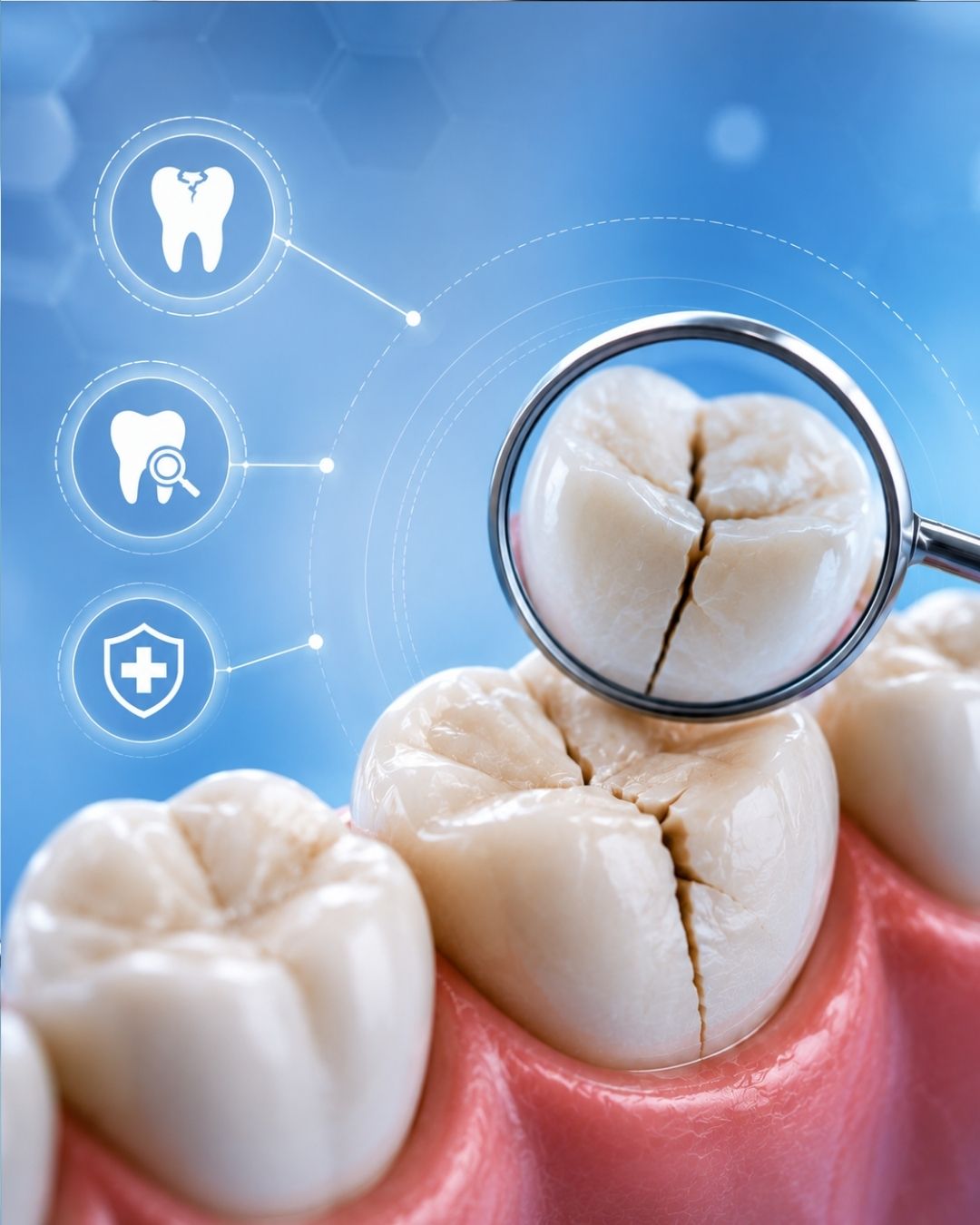
Bruxism affects not only the muscles but also the structure of the teeth. Teeth under constant pressure can experience wear, cracks, and shortening. This can disrupt the bite balance of the teeth, contributing to changes in facial profile. Problems in the temporomandibular joint can manifest as clicking sounds during mouth opening and closing, pain, and limited movement.

Aesthetic and functional problems can occur together.

Although changes in facial features are often seen as merely an aesthetic problem, the underlying cause may be a functional disorder. Overdeveloped jaw muscles can lead to headaches and neck pain, migraine-like symptoms, and a decrease in quality of life. Therefore, bruxism is a condition that should be addressed from both an aesthetic and health perspective.

Aesthetically, both methods blend seamlessly with the appearance of natural teeth. However, porcelain inlay-onlay restorations may offer greater long-term advantages in terms of color stability.

Treatment and Solution Methods

Treatment for facial deformities caused by teeth grinding primarily aims to control the habit. Night guards help protect teeth by reducing excessive strain on the jaw muscles. In advanced cases, interventions to reduce muscle activity and orthodontic adjustments may also be planned.

Bayrampaşa Dental Clinic evaluates jaw and facial changes caused by bruxism through comprehensive examinations and creates personalized treatment plans. Avrupa UBK Dental, on the other hand, offers solutions that aim for both aesthetic and functional improvement with modern diagnostic methods and a multidisciplinary approach.

Conclusion

Teeth grinding is a significant health problem that can lead to changes in facial shape and jaw deformities over time. Early diagnosis and appropriate treatment methods can alleviate aesthetic concerns and protect jaw health. Regular dental check-ups play a major role in preventing the lasting effects that bruxism can cause.

These restorations are generally made from porcelain or composite-based materials and are custom-made for the tooth. Prepared based on impressions, these applications provide a perfect fit to the tooth and offer a long-lasting solution. They are particularly effective in back teeth, meeting both durability and aesthetic expectations.

estetik-dolgular-kompozit-ve-inley-onley-arasindaki-farklar

Aesthetic Fillers: The Differences Between Composite and Inlay-Onlay Fillers

Aesthetic Fillers: The Differences Between Composite and Inlay-Onlay Fillers

Today, in dental treatments, it has become an important goal not only to protect health but also to improve aesthetic appearance. Aesthetic fillings allow for the repair of decayed or damaged teeth while preserving their natural appearance.

Composite fillings and inlay-onlay restorations are the two most frequently preferred methods in this field. However, both applications have different areas of use and advantages.

What is Composite Filling?

Composite fillings are a type of aesthetic filling made using a special resin material that matches the color of the tooth. They bond strongly to the tooth tissue, and minimal tooth structure needs to be removed during the procedure. This method is generally preferred for treating small to medium-sized cavities.

The biggest advantage of composite fillings is that they can be applied in a single session and blend in with the natural tooth color. This allows for aesthetically pleasing results, especially in front teeth. While durable for daily use, there may be a risk of long-term wear in cases of significant tooth structure loss.

What are Inlay and Onlay Restorations?

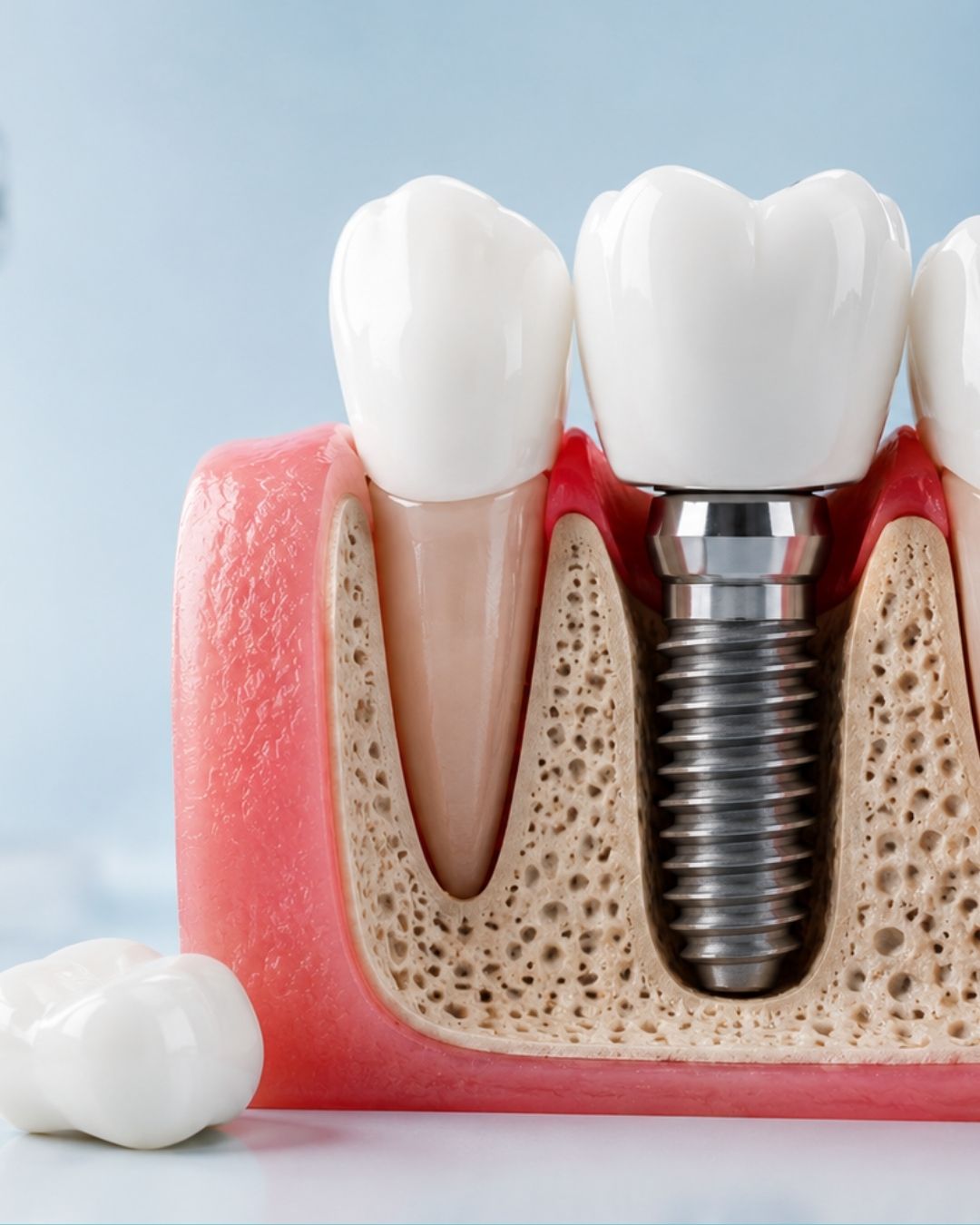
Inlay and onlay restorations are laboratory-prepared fillings preferred in cases where there is more significant loss of tooth structure. Inlays fill the cavities on the chewing surface of the tooth, while onlays cover a larger area of ​​the tooth, potentially including the cusps.

These restorations are generally made from porcelain or composite-based materials and are custom-made for the tooth. Prepared based on impressions, these applications provide a perfect fit to the tooth and offer a long-lasting solution. They are particularly effective in ensuring both durability and aesthetics in posterior teeth.

Comparison in Terms of Aesthetics and Durability

While composite fillings offer an aesthetically pleasing and quick solution, inlay-onlay restorations provide the advantage of both durability and preserving tooth anatomy in cases of more extensive damage. Because inlay-onlay applications are prepared to mimic the natural form of the tooth, they support chewing functions more effectively.

Aesthetically, both methods blend seamlessly with the appearance of natural teeth. However, porcelain inlay-onlay restorations may offer greater long-term advantages in terms of color stability.

Which treatment should be preferred in which situation?

The choice of treatment depends on the extent of tooth structure loss, the tooth’s location, and the patient’s aesthetic expectations. While composite fillings are sufficient for small cavities, inlay-onlay restorations may be a more suitable option for more extensive damage.

Bayrampaşa Dental Clinic aims to determine the most suitable aesthetic filling method by thoroughly evaluating the needs of its patients. Avrupa UBK Dental, on the other hand, offers long-lasting solutions in terms of both function and aesthetics with advanced materials and modern techniques.
Conclusion

Composite fillings and inlay-onlay restorations are two effective treatment options that hold a significant place in aesthetic dentistry. When the right method is chosen, both dental health is preserved and a natural smile is achieved. Expert dentist evaluation plays a decisive role in creating the most appropriate treatment plan.

Bu restorasyonlar genellikle porselen veya kompozit esaslı materyallerden üretilir ve dişe özel olarak hazırlanır. Ölçü alınarak hazırlanan bu uygulamalar, dişe mükemmel uyum sağlar ve uzun ömürlü bir çözüm sunar. Özellikle arka dişlerde dayanıklılık ve estetik beklentisinin birlikte karşılanmasını sağlar.

agiz-kanseri-farkindaligi-erken-belirtiler-ve-korunma-yollari

Oral cancer awareness: early signs and prevention methods

Oral cancer awareness: early signs and prevention methods

Oral Cancer Awareness: Early Signs and Prevention Methods

However, diagnosis can be delayed because the symptoms are often overlooked. Therefore, raising awareness about oral cancer and not neglecting regular checkups is vital.

What is oral cancer?

Oral cancer occurs when cells in the mouth multiply uncontrollably. The most common type is squamous cell carcinoma. The disease can progress painlessly in its early stages, which can lead to early symptoms being overlooked. Regular dental checkups allow for the early detection of abnormal changes in the mouth.

What are the early signs?

Mouth sores that don’t heal for a long time, white or red spots, a feeling of tightness in the tongue or cheek, difficulty swallowing, and unexplained bleeding are among the early warning signs. In addition, a persistent pain in the mouth, restricted jaw movement, and difficulty speaking should also be carefully evaluated. While these symptoms don’t always mean cancer, they always require expert consultation.

Risk Factors and Causes

Smoking and tobacco product use are among the most important risk factors for oral cancer. The risk increases further when combined with alcohol consumption. In addition, HPV infection, prolonged sun exposure (especially to the lips), poor oral hygiene, and a weakened immune system are also factors that increase the risk of oral cancer.

Is it possible to prevent oral cancer?

The key to preventing oral cancer is reducing risk factors. Avoiding smoking and alcohol, maintaining a balanced diet, practicing good oral hygiene, and not neglecting regular dental checkups are among the preventive steps. Prompt evaluation of any unusual changes noticed in the mouth is crucial for early diagnosis.

The Role of Dental Checkups

Dentists can detect suspicious lesions early by meticulously examining oral tissues during routine checkups. Bayrampaşa Dental Clinic aims to support early diagnosis with comprehensive oral examinations, including oral cancer screenings. Avrupa UBK Dental, on the other hand, prioritizes educating its patients about regular checkups with its modern diagnostic methods and expert staff.

Conclusion

Ağız kanseri, erken fark edildiğinde kontrol altına alınabilen ancak geç kalındığında ciddi sonuçlara yol açabilen bir hastalıktır. Ağız içindeki değişimleri ciddiye almak, risk faktörlerinden uzak durmak ve düzenli diş hekimi kontrollerini ihmal etmemek sağlıklı bir yaşam için büyük önem taşır. Unutulmamalıdır ki erken teşhis, hayat kurtarır.

cocuklarda-parmak-emme-aliskanliginin-dis-gelisimine-etkileri

The Effects of Thumb Sucking Habit on Dental Development in Children

The Effects of Thumb Sucking Habit on Dental Development in Children

Thumb sucking is a common and natural behavior in infancy and early childhood. However, if this habit persists for a long time, it can negatively affect the development of the child’s teeth and jaw.

Thumb sucking, especially if it continues during the transition from baby teeth to permanent teeth, can pave the way for orthodontic problems in later years.

Why does thumb sucking occur?

Thumb sucking is often a baby’s need to feel secure. This habit can become more pronounced before bedtime, during stressful moments, or when adapting to a new environment. While generally considered harmless at a young age, its effects on oral structure increase as the child gets older.

Effects on Tooth and Jaw Development

Prolonged thumb-sucking can cause the front teeth to be pushed forward. This can lead to malocclusion and misalignment of the upper and lower jaws. Open bite problems, which affect speech development, can also be associated with this habit. When the natural alignment of the teeth is disrupted, orthodontic treatment may be needed in the future.

At what age does it become a risk?

Thumb sucking usually subsides spontaneously around the age of 2-3 years. However, if it continues after the age of 4, it should be carefully monitored in terms of dental development. Continuing this habit during the period when permanent teeth are erupting can lead to permanent structural problems.

What should families pay attention to?

Putting pressure on or frightening the child during this process is not the right approach. Understanding the emotional reasons underlying the habit is crucial. A patient and supportive attitude from families, along with reinforcing positive behaviors, ensures a healthier progression of the process.

The Importance of Dental Checkups

When the effects of thumb-sucking habits on tooth development are noticed early, they can be controlled with simpler measures. Bayrampaşa Dental Clinic aims to detect potential problems at an early stage by monitoring oral and jaw development in children through regular check-ups. Avrupa UBK Dental, on the other hand, supports healthy tooth development with preventive dentistry practices specifically designed for children.
Conclusion

While thumb-sucking is considered natural in early childhood, prolonged habit can lead to permanent problems in the teeth and jaw structure. Regular dental checkups, proper guidance, and family support can help manage this process healthily. Taking the right steps during childhood lays the foundation for a healthier smile in later life.

agiz-kurulugu-ve-tukuruk-bezleri-ne-zaman-ciddi-bir-sorundur

Dry Mouth and Salivary Glands: When Is It a Serious Problem?

Dry Mouth and Salivary Glands: When Is It a Serious Problem?

Dry mouth is a condition that many people experience from time to time but often don’t take seriously. However, decreased saliva production is not just a temporary discomfort; in some cases, it can be a sign of underlying, serious health problems.

Healthy salivary gland function plays a vital role in maintaining oral and dental health.

The Role of Saliva in Oral Health

Saliva, in addition to keeping the mouth moist, protects teeth from acids, reduces cavities, and balances bacterial growth. It also ensures smooth swallowing and speech functions. Problems with the salivary glands weaken this natural protective mechanism and negatively affect oral health.

What Causes Dry Mouth?

Dry mouth can develop due to many different reasons. Certain medications commonly used in daily life, stress, insufficient water intake, and mouth breathing can trigger this condition. In addition, systemic diseases affecting the salivary glands or hormonal changes can also lead to dry mouth becoming persistent.

When Should Dry Mouth Be Taken Seriously?

If dry mouth persists for a long time, or is accompanied by a burning sensation in the mouth, difficulty swallowing, taste problems, or frequent tooth decay, it should definitely be evaluated. These symptoms indicate that the salivary glands are not functioning properly and that a professional dental examination is necessary.

Problems Related to Salivary Glands

Inflammation, blockages, or dysfunction of the salivary glands are among the main causes of dry mouth. These conditions can affect not only the mouth but also overall health. Early diagnosis can prevent further problems.

Treatment and Preventive Approaches

Treatment for dry mouth is planned according to the underlying cause. Adopting proper oral hygiene habits and regular dental check-ups are of great importance. Bayrampaşa Dental Clinic aims to provide personalized solutions by thoroughly evaluating the causes of dry mouth. Avrupa UBK Dental, on the other hand, focuses on the early detection of problems related to salivary glands using modern diagnostic methods.

Conclusion

Ağız kuruluğu basit bir rahatsızlık gibi görünse de uzun süre devam ettiğinde ciddi ağız ve diş problemlerine yol açabilir. Tükürük bezlerinin sağlıklı çalışması, diş çürüklerinden diş eti hastalıklarına kadar birçok sorunun önlenmesinde kilit rol oynar. Bu nedenle ağız kuruluğu şikâyeti ihmal edilmemeli ve uzman desteği alınmalıdır.

dis-sikma-ve-sindirim-problemleri-arasindaki-iliski

Differences Between Metal-Supported and Zirconium Coatings

Differences Between Metal-Supported and Zirconium Coatings

Dental veneers are treatments applied to both improve aesthetic appearance and protect damaged teeth. Today, the most commonly preferred types of veneers are metal-supported porcelain veneers and zirconium veneers.

Both methods address different needs, and understanding the differences between them is crucial for choosing the right treatment.

What are Metal-Reinforced Coatings?

Metal-supported crowns consist of a metal substructure on the inside of the tooth and a porcelain layer on top. Used in dentistry for many years, these crowns are particularly preferred for back teeth due to their durability. They offer a robust solution in areas subject to intense chewing forces. However, over time, the dark color of the metal may become noticeable at the gum line, which can be an aesthetic disadvantage for some patients.

Properties of Zirconium Coatings

Zirconium crowns have a white, metal-free substructure. Thanks to their light-transmitting properties, they closely resemble natural teeth. This feature provides a significant advantage, especially for patients with high aesthetic expectations regarding their front teeth. They also have better gum compatibility and reduce the risk of dark discoloration at the gum line. Zirconium is also notable for its durability, offering a long-lasting treatment option.

Comparison in Terms of Aesthetics and Naturalness

From an aesthetic point of view, zirconium crowns offer the closest results to natural teeth. Metal-supported crowns, on the other hand, have limited light transmission, resulting in a more matte appearance. Therefore, zirconium crowns are more frequently preferred in cases where smile aesthetics are a priority.

Durability and Applications

Metal-supported crowns can be safely used on back teeth due to their high durability. Zirconium crowns have also become quite strong with advancements in technology and can be easily applied to both front and back teeth. Which crown is suitable is determined according to the patient’s oral structure and chewing habits.

Which coating is right for you?

The choice of veneer should be made not only based on aesthetic expectations, but also according to gum health, tooth position, and the patient’s overall oral structure. Bayrampaşa Dental Clinic aims to determine the most suitable veneer option through detailed examination and personalized planning. Avrupa UBK Dental, on the other hand, offers both aesthetic and functional solutions with modern technologies and up-to-date treatment approaches.

Conclusion

Metal-supported and zirconium crowns are effective treatment options for different needs. Choosing the right type of crown is crucial for both a healthy and aesthetically pleasing smile. A correct choice, made after evaluation by an expert dentist, provides results that offer satisfaction for many years.

dis-sikma-ve-sindirim-problemleri-arasindaki-iliski

The Relationship Between Teeth Grinding and Digestive Problems

The Relationship Between Teeth Grinding and Digestive Problems

Teeth grinding, medically known as bruxism, is often seen as a problem associated only with the jaw and teeth. However, this habit can also affect different systems of the body.

Recent studies suggest a possible indirect but significant link between teeth grinding and digestive problems.

What is teeth grinding and why does it occur?

Teeth grinding often occurs under stress, anxiety, sleep disorders, and intense mental strain. The person frequently grinds or clenches their teeth without realizing it, especially during nighttime sleep. Prolonged teeth grinding can lead to excessive tension in the jaw muscles, headaches and neck pain, and even temporomandibular joint disorders.

Effects on the Digestive System

The relationship between teeth grinding and digestive problems is often explained by stress. Stress is both a primary trigger for bruxism and directly affects the stomach and intestinal system. Constantly tensed jaw muscles create general tension in the body, which can disrupt the balance of stomach acid. As a result, symptoms such as heartburn, bloating, indigestion, and bowel irregularities may occur.

The Indirect Link Between Jaw Muscles and Digestion

Constantly tensing the jaw muscles can put pressure on the autonomic nervous system. This can hinder the proper functioning of the neural mechanisms that regulate the digestive process. Morning stomach discomfort and loss of appetite, particularly in individuals who grind their teeth at night, may be indicative of this connection.

Why Should the Treatment Approach Be Holistic?

When teeth grinding is addressed solely by focusing on the teeth, the underlying causes may be overlooked. Therefore, both oral and dental health, as well as overall health, should be evaluated together. Bayrampaşa Dental Clinic offers solutions for teeth grinding problems with personalized retainer treatments and detailed jaw analyses, while Avrupa UBK Dental aims to improve patients’ quality of life with modern treatment approaches.

Conclusion

Teeth grinding is not just a simple habit that leads to wear on the teeth. In the long term, it can affect many parts of the body, including the digestive system. Therefore, early diagnosis, proper treatment, and stress management are of great importance. Protecting oral and dental health significantly contributes to maintaining overall health.