

dislerde-hassasiyet-neden-olusur-soguk-ve-sicaga-karsi-cozum-yollari

What Causes Tooth Sensitivity? Solutions for Cold and Heat.

What Causes Tooth Sensitivity? Solutions for Cold and Heat.

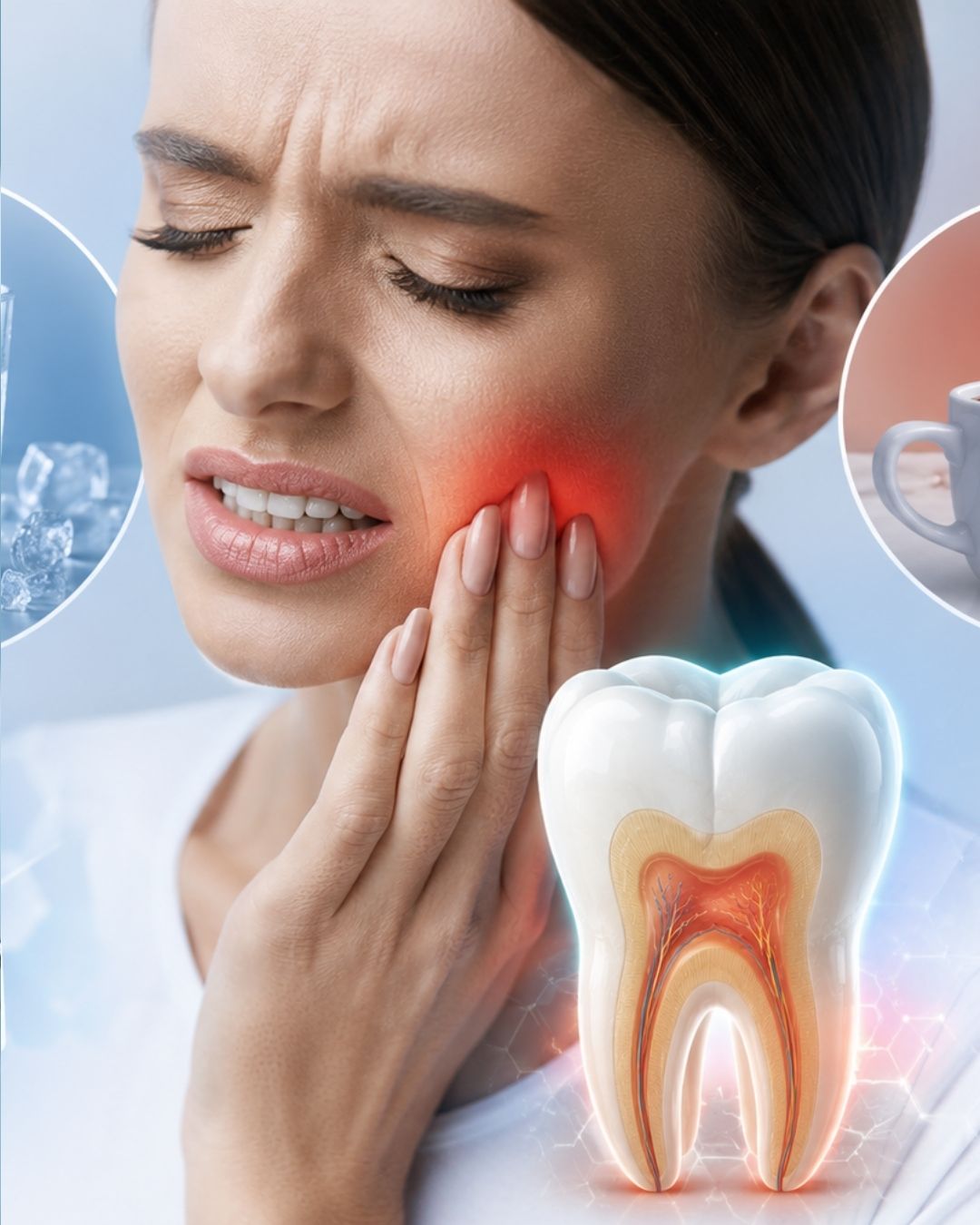
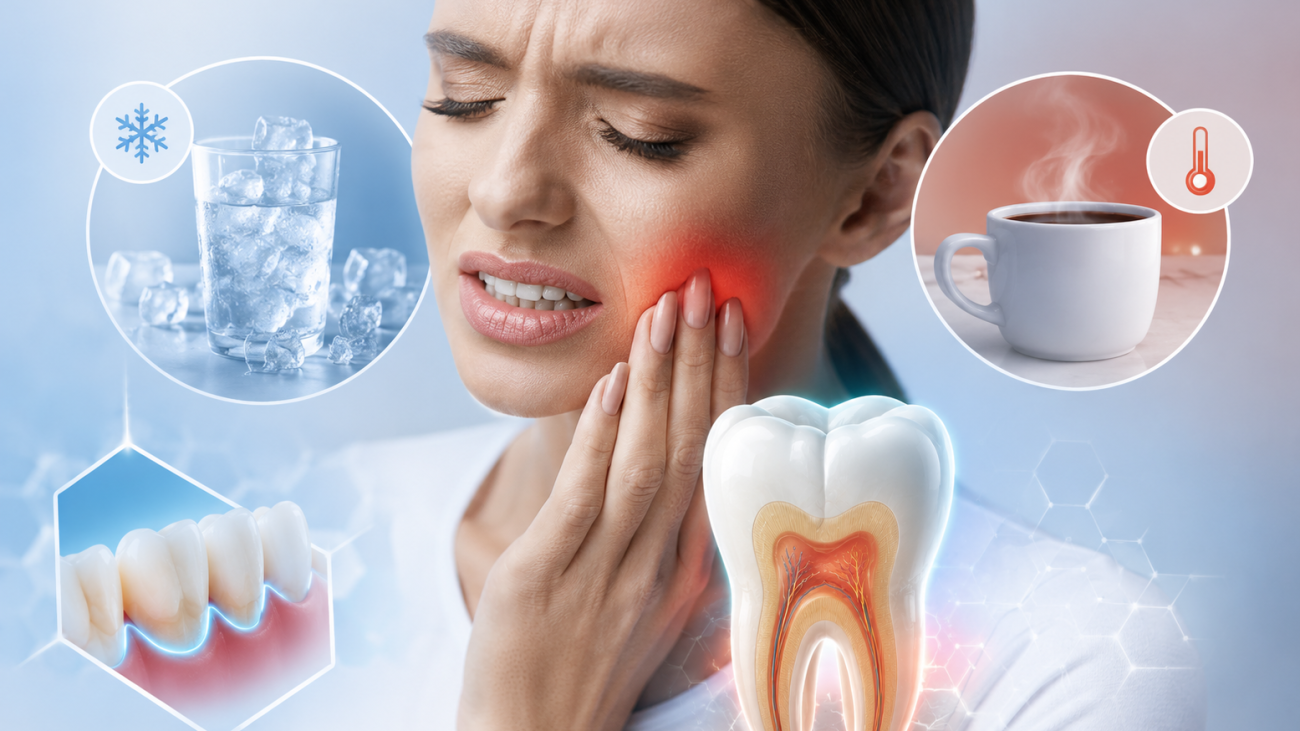
If you experience sudden, sharp pain in your teeth when eating ice cream, drinking hot coffee, or drinking cold water, you may be suffering from tooth sensitivity.

Tooth sensitivity is a common problem affecting millions of people and can significantly reduce their quality of daily life. Sensitivity usually results from thinning of the tooth’s protective layers or exposure of the tooth roots.

The Most Common Causes of Tooth Sensitivity

Tooth sensitivity can have many different causes. Brushing too hard can lead to erosion of tooth enamel over time. Gum recession also exposes root surfaces, making them more vulnerable to hot and cold stimuli.

In addition, habits such as teeth clenching and grinding, frequent consumption of acidic foods and drinks, cavities, and cracked teeth can also contribute to the development of sensitivity. Some people may also experience temporary sensitivity after teeth whitening procedures.

Why does pain occur in response to cold and heat?

The dentin layer, located beneath the enamel, contains microscopic tubules. When the enamel erodes or the gums recede, these tubules become exposed. Hot, cold, sweet, or acidic foods can reach the nerves in the tooth through these tubules, causing sudden pain.

Therefore, sensitivity is not only a discomfort but can also be a sign of an underlying problem developing in the teeth or gums.

How is tooth sensitivity treated?

Treatment varies depending on the cause of the sensitivity. If the problem is due to gum recession, treatments targeting that can be planned. If there is enamel erosion or minor cracks, conservative applications and restorative treatments may be preferred.

Specialized sensitivity-reducing toothpastes can also help alleviate symptoms. However, prolonged or progressively worsening sensitivity should always be evaluated by a professional.

What precautions should be taken to prevent sensitivity?

Avoiding brushing too hard, using soft-bristled toothbrushes, and limiting excessive consumption of acidic beverages can reduce the risk of sensitivity. Regular dental checkups allow problems to be detected early and resolved before they become more serious.

Bayrampaşa Dental Clinic aims to create personalized treatment plans by thoroughly evaluating the problems causing tooth sensitivity. Avrupa UBK Dental, on the other hand, helps its patients achieve comfortable oral health with modern diagnostic methods and up-to-date treatment approaches.

Conclusion

Tooth sensitivity is a common oral health problem that should not be ignored. Pain caused by hot and cold foods can be a symptom of underlying problems. With early diagnosis and proper treatment, sensitivity can be controlled and daily life comfort can be restored. Regular oral care and professional dental support are the most important steps in preventing sensitivity.

dislerde-catlak-nasil-anlasilir-belirtileri-nelerdir

How to Recognize Cracks in Teeth? What are the Symptoms?

How to Recognize Cracks in Teeth? What are the Symptoms?

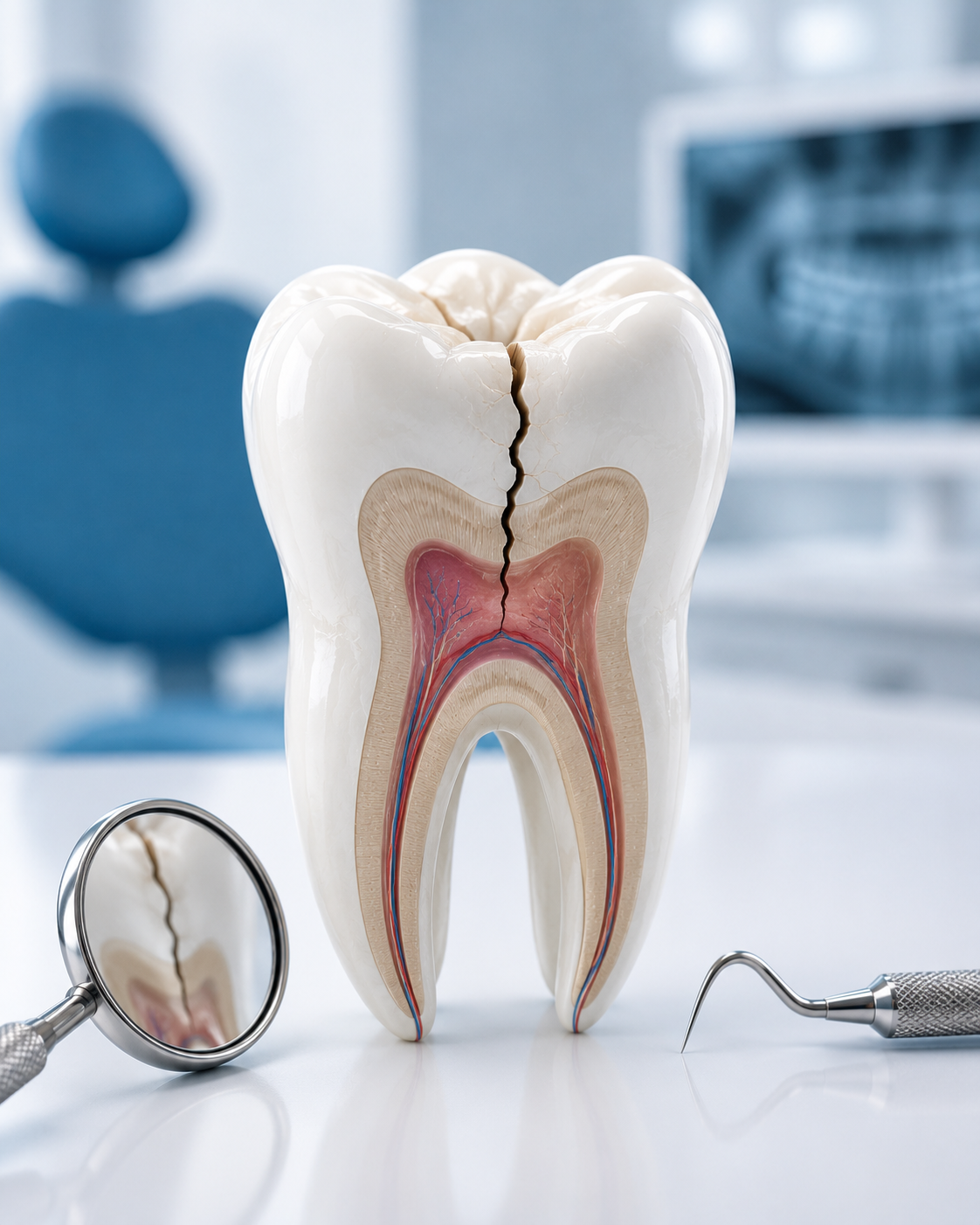
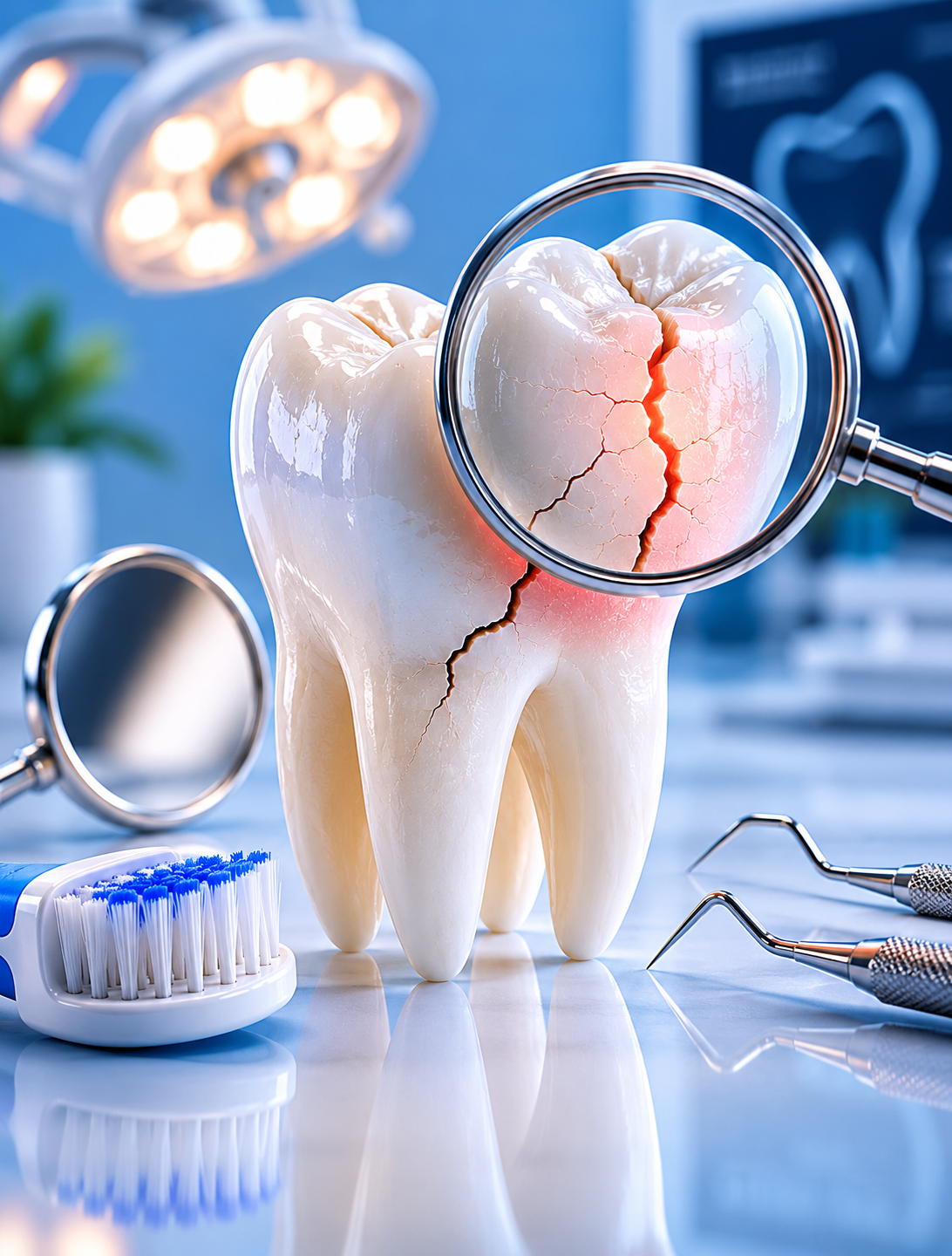
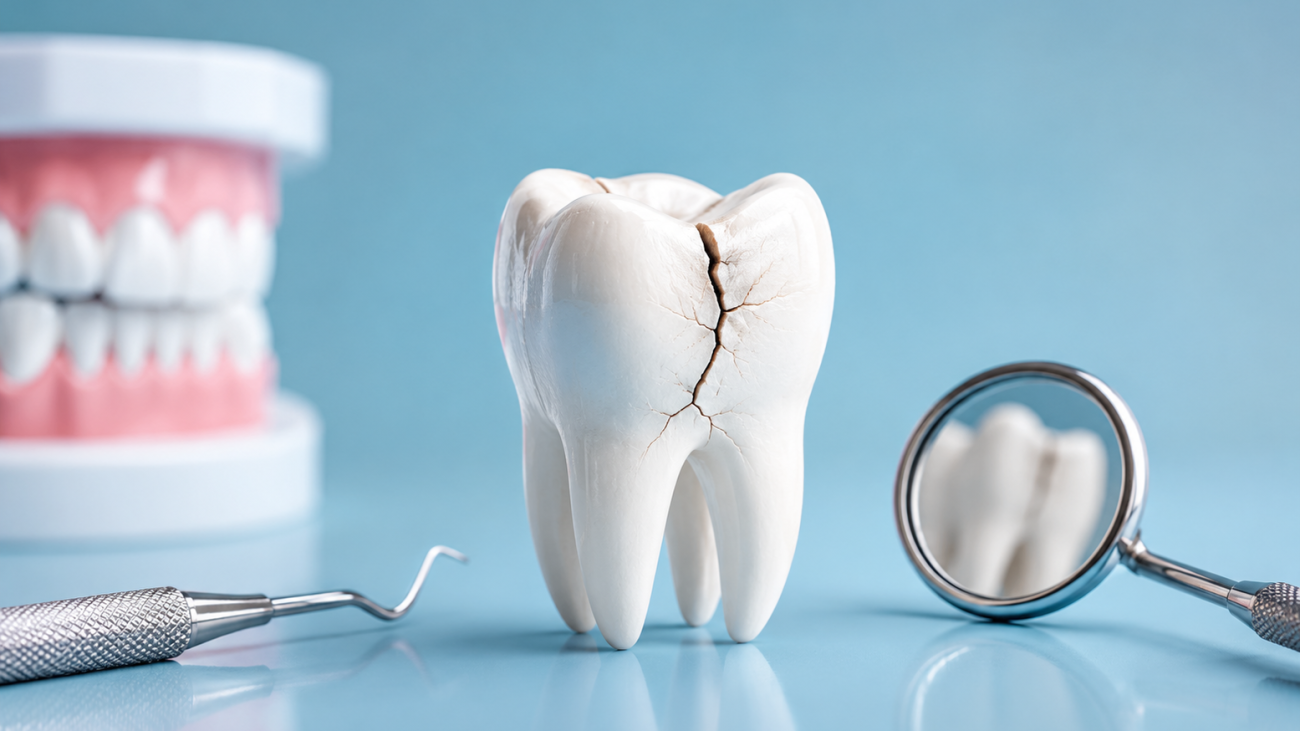
Although teeth are quite durable structures, they can crack due to biting hard objects, trauma, teeth grinding habits, or wear and tear over time.

Some cracks are visible to the naked eye, while others only manifest with specific symptoms. Cracks that go unnoticed early can grow over time, leading to more serious dental problems.

The Most Common Symptoms of Tooth Cracks

The most characteristic symptom of cracked teeth is sudden pain felt during chewing. This pain, which occurs especially when consuming hard foods, may decrease when the pressure is removed. Sensitivity to hot or cold foods is also one of the important symptoms of cracked teeth.

Some patients have difficulty precisely describing the location of the pain. This is because when the fissure is very thin, symptoms may appear intermittently and not be constant. This is one of the factors that makes diagnosis difficult.

Causes of Cracks in Teeth

Teeth clenching and grinding are among the most common causes of cracks. Unconscious clenching, especially at night, can put significant pressure on the teeth. In addition, consuming hard foods like ice, hard candies, or nuts can also cause micro-cracks in the teeth.

Teeth that have previously had large fillings or root canal treatments may also be more susceptible to crack formation.

How is a cracked tooth diagnosed?

While some fissures are easily visible during a standard examination, others may require specialized imaging techniques and detailed clinical investigation. Chewing tests, magnified examination devices, and digital imaging techniques aid in diagnosis.

Therefore, it is important for people experiencing unexplained toothaches to consult a dentist without delay. Bayrampaşa Dental Clinic aims to detect potential problems before they worsen by utilizing modern examination methods for the early diagnosis of cracked teeth. Avrupa UBK Dental, on the other hand, offers comprehensive solutions in the diagnosis and treatment of cracked teeth with its advanced imaging technologies and expert staff.

Can a cracked tooth be treated?

The treatment method varies depending on the size and location of the fissure. For small fissures, fillings or crowns may suffice, while more advanced cases may require root canal treatment. If the fissure has progressed to the root, different treatment options are considered.

Early detection of cracks often allows for the preservation of the tooth. Therefore, it is crucial not to ignore the symptoms.

Conclusion

Dişlerde oluşan çatlaklar başlangıçta küçük görünse de zamanla ciddi ağrı ve fonksiyon kayıplarına yol açabilir. Çiğneme sırasında ağrı, sıcak-soğuk hassasiyeti ve açıklanamayan diş rahatsızlıkları çatlak belirtisi olabilir. Düzenli diş hekimi kontrolleri sayesinde bu tür sorunlar erken dönemde tespit edilerek daha büyük problemlerin önüne geçilebilir. Sağlıklı bir gülüş için dişlerin verdiği sinyalleri dikkate almak gerekir.

dis-tedavilerinde-agri-yonetimi-modern-yontemler

Pain Management in Dental Treatments: Modern Methods

Pain Management in Dental Treatments: Modern Methods

One of the most common concerns regarding dental treatments is the fear of pain. While in the past, dental visits were considered a stressful experience for many, today, thanks to advancements in technology and modern methods, treatment processes have become much more comfortable.

Modern dentistry offers many effective methods aimed at enabling patients to receive treatment without pain or anxiety.

Why is Pain Management Important?

The fear of pain during dental treatment can cause many people to postpone treatment. However, delayed dental problems can become more serious over time and require more extensive procedures. Therefore, pain management is of great importance not only for patient comfort but also for maintaining oral health.

Thanks to modern pain control techniques, patients can now undergo procedures such as root canal treatment, implant placement, or tooth extraction much more comfortably.

Development of Local Anesthesia Techniques

Modern local anesthesia techniques offer much more effective and controlled results compared to the past. Thanks to fine-tipped syringes and advanced anesthetic agents, discomfort felt during the procedure is minimized.

In addition, some modern systems use computer-assisted anesthesia devices to ensure controlled delivery of medication. This method can offer a more comfortable experience, especially for patients who fear anesthesia.

Laser-Assisted Treatments

Laser technology is one of the important innovations supporting pain management in dentistry. The use of lasers in some soft tissue procedures can reduce bleeding and tissue trauma. This helps the post-procedure healing process to be more comfortable.

Laser-assisted treatments can also reduce the need for anesthesia in some patients and make the treatment process more comfortable.

Sedation and Anxiety Control

For individuals experiencing dental phobia, sedation offers a significant advantage. Sedation allows the patient to feel calmer and more relaxed during the procedure. This method can facilitate the treatment process, especially in lengthy treatments or for individuals experiencing intense anxiety.

Bayrampaşa Dental Clinic aims to utilize modern pain management techniques while prioritizing patient comfort. UBK Dental Europe, on the other hand, focuses on providing its patients with a more comfortable treatment experience through advanced technologies and up-to-date treatment approaches.

Post-Treatment Pain Control

Modern dentistry aims to control pain not only during the procedure but also afterward. With proper care recommendations, correct medication use, and regular check-ups, the healing process can be more comfortable.

Patients paying close attention to post-treatment recommendations will help alleviate any sensitivity and discomfort quickly.

Conclusion

Pain management in dental treatments is now much more effective and comfortable thanks to modern methods. Advanced anesthesia techniques, laser applications, and sedation methods have made dental treatments less daunting. Regular dental check-ups and early intervention make a healthier and more comfortable treatment process possible.

dis-sagliginda-probiyotiklerin-rolu

The Role of Probiotics in Dental Health

The Role of Probiotics in Dental Health

Although probiotics are generally associated with digestive system health, in recent years they have also attracted attention for their positive effects on oral and dental health. Maintaining the balance of bacteria in the mouth is crucial for protecting the health of teeth and gums.

Supporting beneficial bacteria can help maintain a healthy oral microbiome by keeping the growth of harmful bacteria under control.

Why is Oral Flora Important?

Millions of bacteria live in the mouth, and the balance of these bacteria directly affects oral health. An increase in harmful bacteria can lead to problems such as tooth decay, gum disease, and bad breath. A healthy oral flora, on the other hand, helps protect teeth and gums.

Probiotics can help maintain this natural balance in the mouth by supporting beneficial bacteria. This can prevent harmful bacteria from becoming dominant in the oral environment.

The Effect of Probiotics on Gum Health

Some studies suggest that probiotics can have positive effects on gum inflammation and plaque formation. Beneficial bacteria can suppress the growth of bacteria that cause gum disease and reduce inflammation levels in the mouth.

It is thought that probiotic supplements, especially when used in addition to regular oral care, can help control problems such as gum sensitivity and bad breath.


Supportive Effect Against Bad Breath

One of the main causes of bad breath is an imbalance of bacteria in the mouth. Probiotics can help reduce the number of odor-causing bacteria, promoting a fresher oral environment. However, this effect is more successful when considered in conjunction with regular oral hygiene.

Are probiotics sufficient on their own?

While probiotics play a supportive role in oral health, they are not sufficient on their own. Regular brushing, flossing, and professional dental checkups form the basis of oral health. Healthy eating habits and adequate water intake also help protect the oral flora.

Bayrampaşa Dental Clinic emphasizes the importance of holistic approaches in maintaining oral health and aims to educate its patients about correct oral care habits. Avrupa UBK Dental, on the other hand, offers personalized care recommendations that support the maintenance of oral flora balance through modern preventive dentistry practices.

Conclusion

Probiotics can be important aids in supporting dental and gum health by helping to balance the oral flora. When considered alongside regular oral care and professional dental support, they can contribute to maintaining oral health. For a healthy mouth, it’s necessary to protect not only the teeth but also the microbial balance within the mouth.

dis-fircasi-secimi-manuel-mi-elektrikli-mi

Choosing a Toothbrush: Manual or Electric?

Choosing a Toothbrush: Manual or Electric?

One of the fundamental steps in maintaining dental health is choosing the right toothbrush. Today, many people are undecided between manual and electric toothbrushes, which is more effective.

Both options contribute to oral hygiene when used correctly; however, factors such as usage habits, needs, and oral structure can determine which toothbrush is more suitable.

Features of Manual Toothbrushes

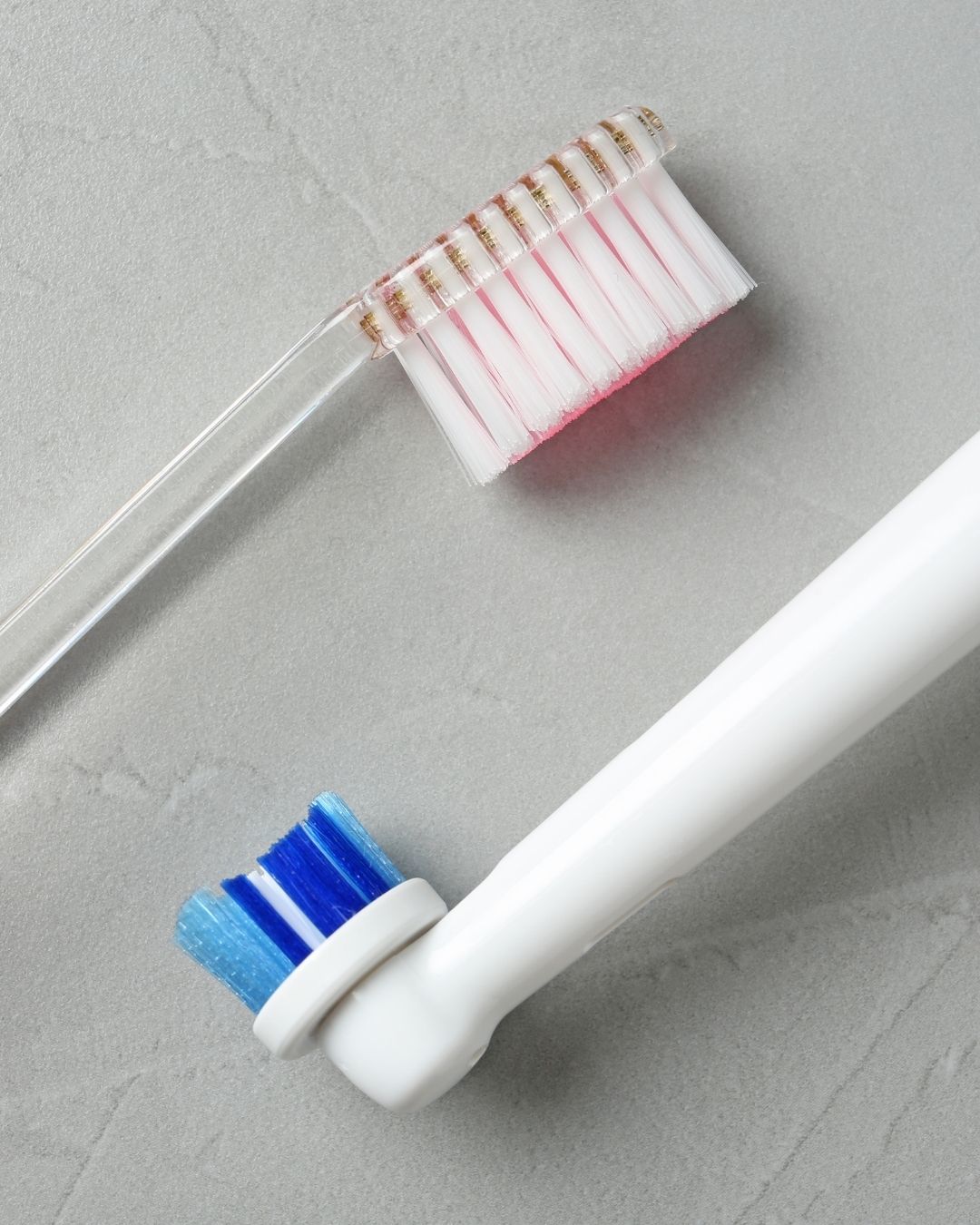
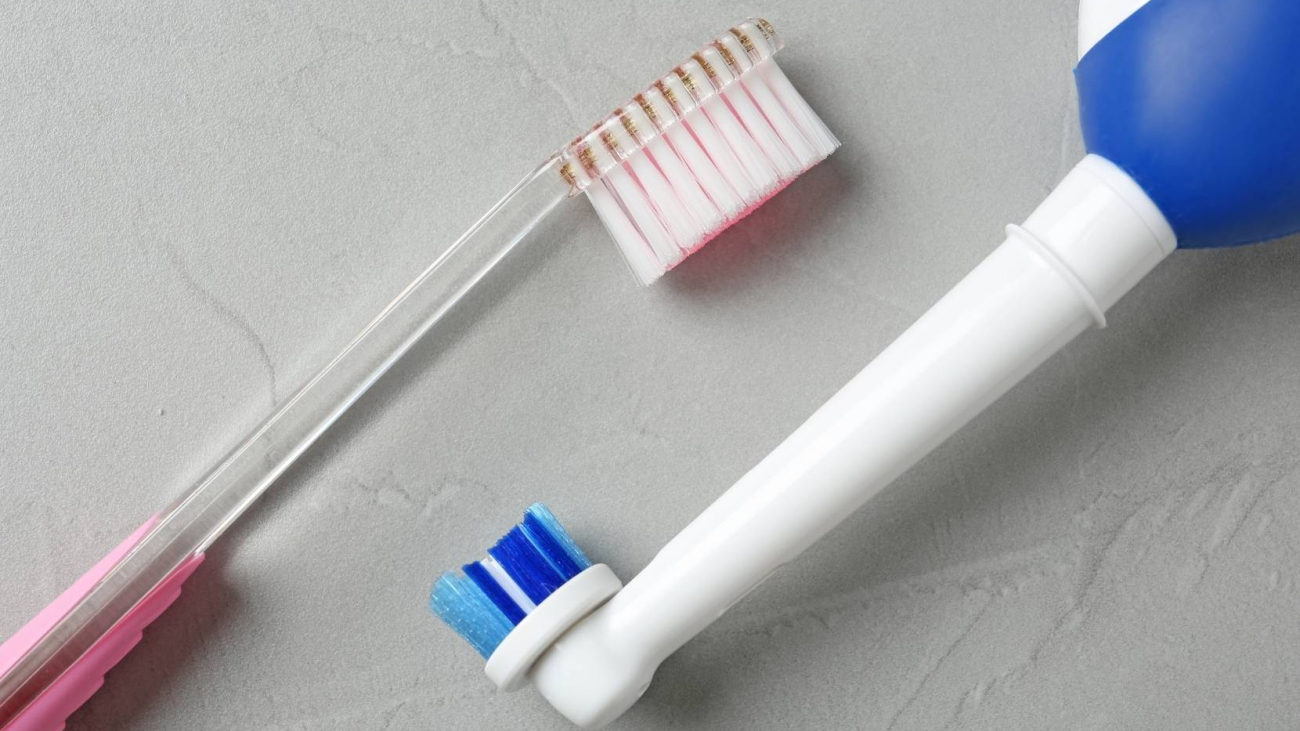
Manual toothbrushes are classic oral care products that have been used for many years. When used with the correct technique, they can provide effective results in plaque removal. Thanks to different head sizes and bristle hardness, there are options to suit every individual.

A manual toothbrush with soft bristles helps to clean without damaging tooth enamel and gums. However, the effectiveness of cleaning with manual brushes largely depends on the individual’s brushing technique. Applying the wrong pressure or brushing for insufficient time can make it difficult to achieve the desired level of hygiene.

Advantages of Electric Toothbrushes

Electric toothbrushes offer more controlled cleaning thanks to their vibrating or rotating heads. They are known to be particularly effective at removing plaque, especially along the gum line. Timer features found in some models help users adhere to the recommended brushing time.

Electric toothbrushes can be a more comfortable option for individuals with limited dexterity, patients undergoing orthodontic treatment, or those experiencing gum sensitivity. Additionally, sensors that prevent excessive pressure can reduce the risk of gum irritation.

Which is more effective?

Scientific research suggests that electric toothbrushes may offer some advantages over manual brushes in terms of plaque removal and gum health. However, the most important factor here is not the type of brush used, but rather correct and consistent usage habits.

Brushing at least twice a day, for a sufficient duration and with the correct technique, plays a fundamental role in maintaining oral health, regardless of which brush is used.

What to Consider When Choosing a Toothbrush?

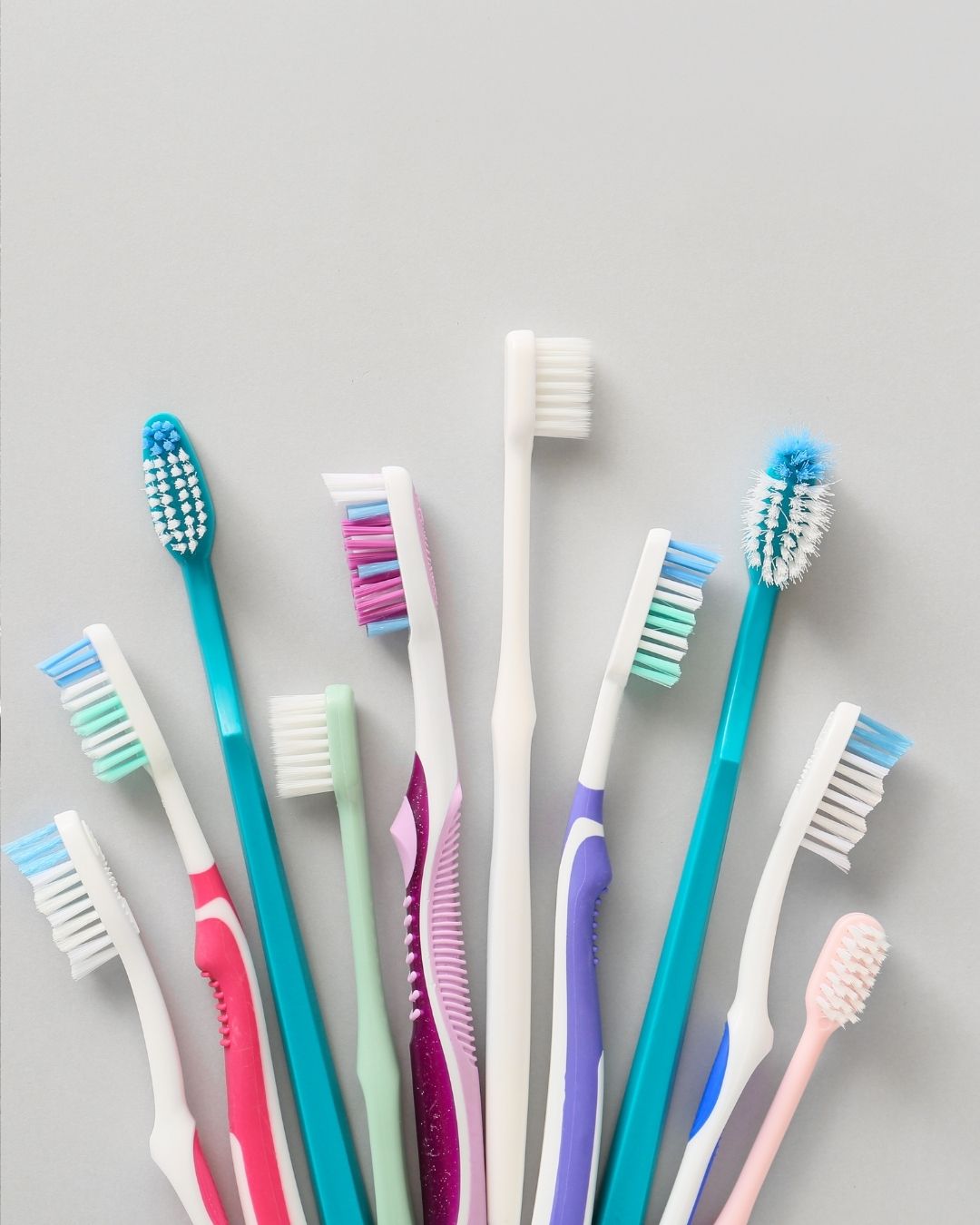
When choosing a toothbrush, you should opt for models with a head size suitable for your mouth structure and soft bristles. Hard-bristled brushes can cause gum recession and enamel erosion in the long run. Additionally, changing your toothbrush regularly is important for hygiene.

Bayrampaşa Dental Clinic supports its patients in making informed choices regarding oral care products suitable for their oral structure. UBK Dental Europe, on the other hand, emphasizes the importance of correct techniques in both manual and electric toothbrush use with personalized oral care recommendations.

Conclusion

Both manual and electric toothbrushes can provide effective oral care when used correctly. The best choice should be determined by an individual’s needs, habits, and oral health status. Regular dental checkups and proper oral hygiene habits make it possible to have healthy teeth and strong gums.

agiz-kokusunu-onlemenin-bilimsel-yollari

Scientific Ways to Prevent Bad Breath

Scientific Ways to Prevent Bad Breath

Bad breath, medically known as halitosis, is a distressing condition both socially and psychologically. While it is often caused by temporary factors, in some cases it can be a sign of underlying health problems.

Scientific research shows that bad breath is largely caused by bacterial activity in the mouth. It is possible to prevent this problem with the right methods.

The Main Causes of Bad Breath

The most common cause of bad breath is bacteria that accumulate in the mouth. Bacteria, particularly those accumulating on the tongue and between teeth, break down proteins and produce sulfur compounds that cause foul odor. Poor oral hygiene, gum disease, and tooth decay can accelerate this process.
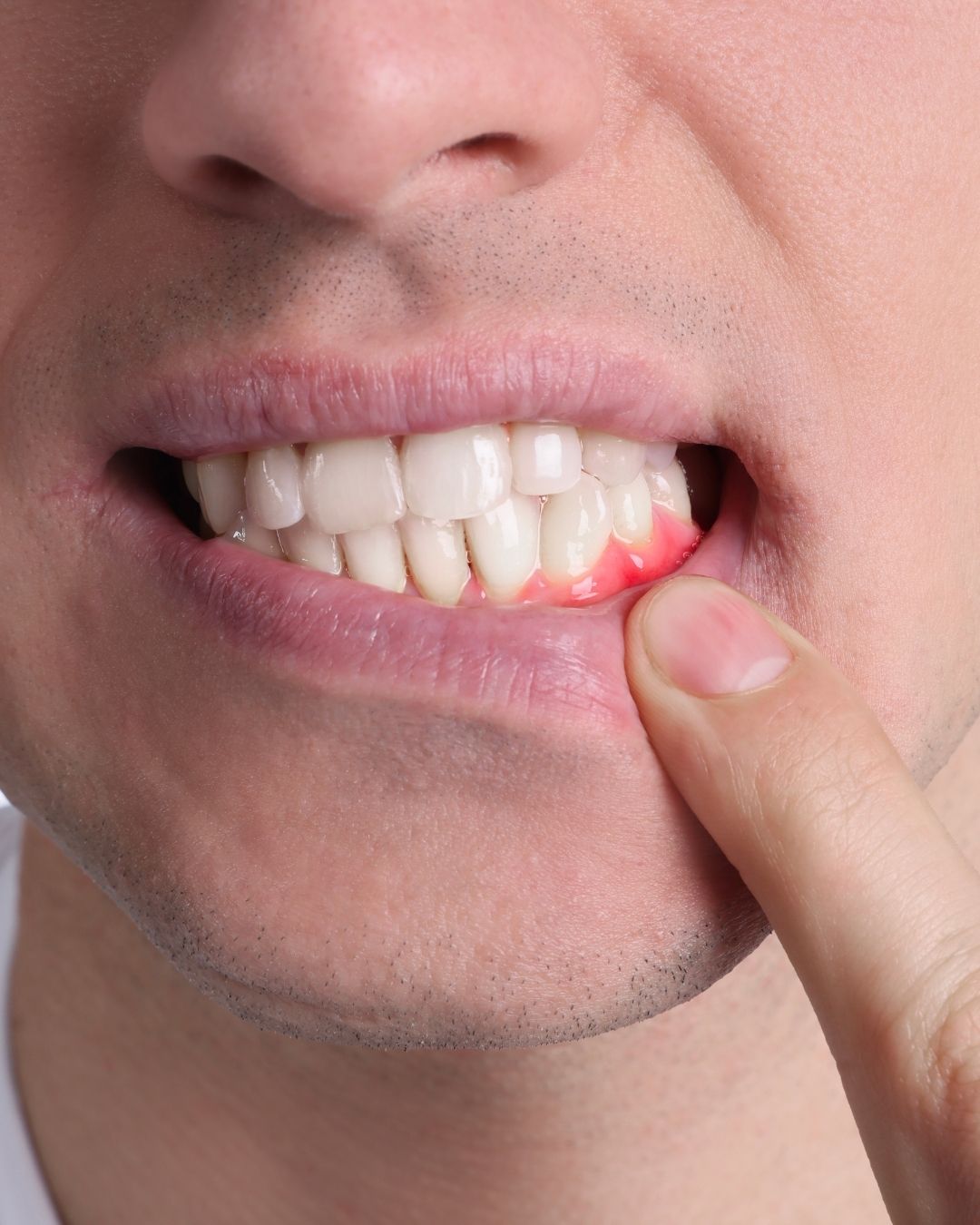
In addition, dry mouth is an important factor. Saliva is a natural mechanism that cleans the inside of the mouth. Reduced saliva production allows bacteria to multiply faster and creates a breeding ground for bad breath.
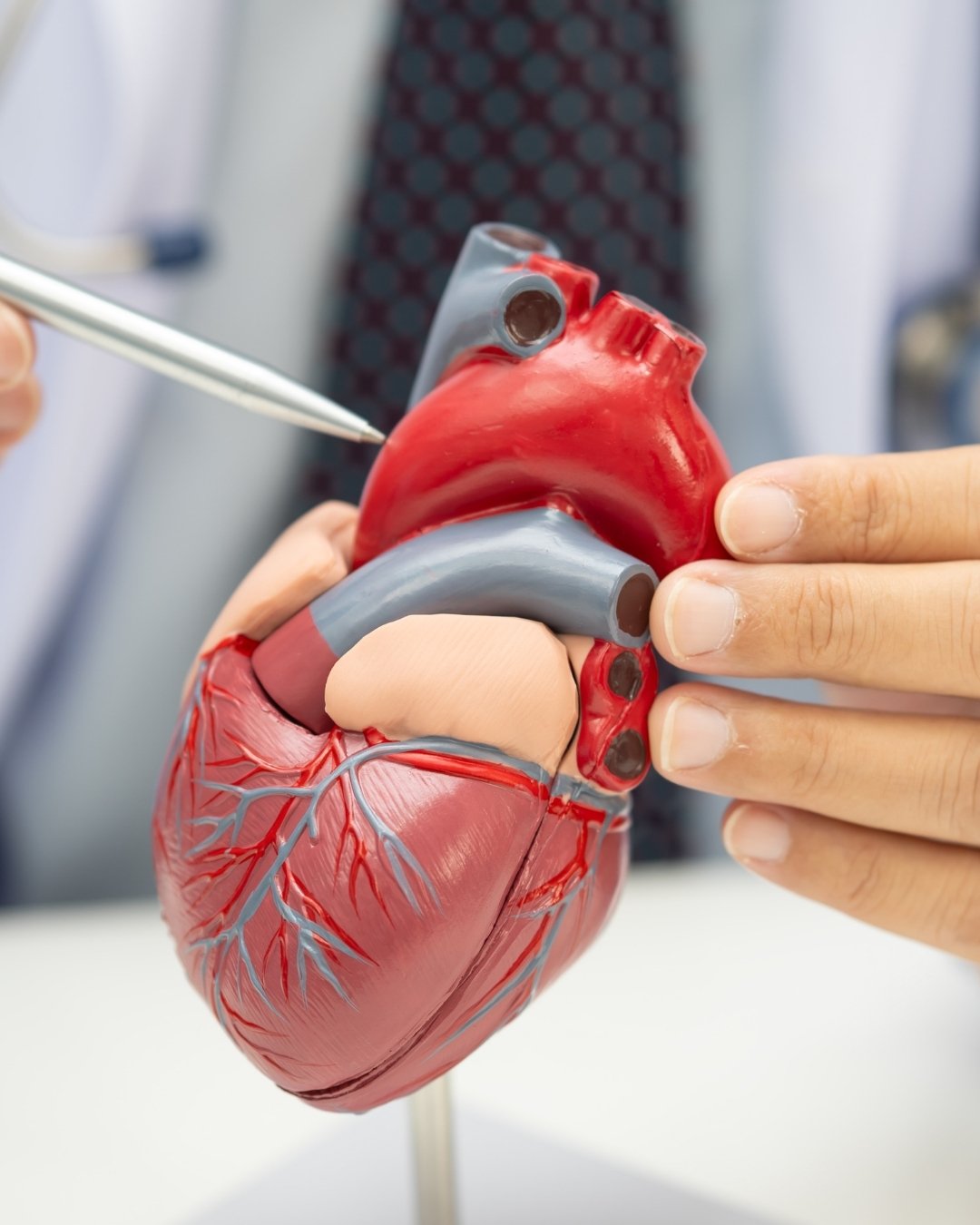
Regular and Proper Oral Care

The most effective way to prevent bad breath is through regular oral hygiene. Brushing your teeth at least twice a day with the correct technique, using dental floss, and cleaning your tongue significantly reduces the bacterial load in the mouth. Cleaning the surface of the tongue, in particular, plays a critical role in preventing bad odor formation.

Regular dental checkups are also an important step in preventing bad breath. Bayrampaşa Dental Clinic aims to provide effective solutions by detecting dental and gum problems that can cause bad breath at an early stage. Avrupa UBK Dental, on the other hand, supports the sustainability of oral hygiene with its preventive dentistry approach.

The Impact of Nutrition and Lifestyle

The foods we consume also have a direct impact on bad breath. Strong-smelling foods like garlic and onions can cause temporary bad breath, while prolonged fasting and irregular eating habits can trigger it. Drinking enough water keeps the inside of the mouth moist, reducing bacterial growth.

Smoking and alcohol consumption are significant factors that increase bad breath. Limiting or quitting these habits greatly benefits oral health.

Preventing Dry Mouth

Individuals experiencing dry mouth are more prone to bad breath. Therefore, drinking enough water throughout the day, increasing saliva production by chewing sugarless gum, and using mouthwash if necessary can be beneficial. Bad breath may be more noticeable in the morning, especially in people who breathe through their mouths at night.

Conclusion

Bad breath is a problem that can be largely controlled with proper oral hygiene habits and scientific methods. Regular oral hygiene, a healthy diet, and dental check-ups are fundamental steps for fresh breath and a healthy mouth. It’s possible to make a big difference with small changes.

dis-eti-cekilmesi-geri-dondurulebilir-mi-1

Is Gum Recession Reversible?

Is Gum Recession Reversible?

Gum recession is a condition where the gums recede away from the tooth surface, exposing the root surfaces. This problem not only creates an aesthetic concern but can also lead to sensitivity, increased risk of cavities, and in advanced cases, tooth loss.

The most important question many people are wondering about is whether gum recession can be reversed.

What causes gum recession?

Gum recession is usually caused by gum disease, poor oral hygiene, and incorrect brushing habits. Harsh and improper brushing techniques can damage the gums, leading to recession over time. In addition, teeth grinding, smoking, genetic predisposition, and orthodontic problems can also trigger gum recession. These factors weaken the gums and expose the tooth roots.

Can gum recession reverse?

Gum recession, once it occurs, does not spontaneously return to its original state. In other words, the receding gum tissue does not naturally regenerate. However, this does not mean it is untreatable. With the right treatment methods, the progression of recession can be halted, and in some cases, aesthetic and functional improvement can be achieved.

In cases of gum recession detected early, professional cleaning and proper oral hygiene habits can maintain the current condition. In advanced cases, surgical methods may be necessary to reconstruct the gum tissue.

What are the treatment methods?

Treatment for gum recession primarily aims to eliminate the underlying cause. Gum health is restored through procedures such as tartar removal and root planing. In more advanced cases, surgical procedures like gum grafting can be used to close the receding areas.

These treatments reduce tooth sensitivity and improve aesthetic appearance. However, the success of the treatment is directly dependent on the patient maintaining good oral hygiene habits.

The Importance of Early Diagnosis and Regular Check-ups

Gum recession is much easier to control when detected early. Regular dental checkups ensure that these types of problems are detected in their initial stages. Bayrampaşa Dental Clinic supports its patients with detailed examinations and treatment plans aimed at protecting gum health. Avrupa UBK Dental, on the other hand, offers effective solutions in the treatment of gum recession with its modern techniques and expert staff.

Conclusion

Diş eti çekilmesi tamamen kendiliğinden geri dönen bir durum olmasa da doğru tedavi ve bakım ile kontrol altına alınabilir ve ilerlemesi durdurulabilir. Erken müdahale, hem diş sağlığını korumak hem de estetik kaygıları önlemek açısından büyük önem taşır. Sağlıklı diş etleri için düzenli bakım ve uzman desteği ihmal edilmemelidir.

dislerde-sararma-neden-olur-kalici-beyazlik-mumkun-mu

What Causes Teeth to Yellow? Is Permanent Whitening Possible?

What Causes Teeth to Yellow? Is Permanent Whitening Possible?

Yellowing teeth are both aesthetically bothersome and can provide important clues about oral health.

Darkening of tooth color over time is a fairly common problem and can occur due to many different reasons. So why do teeth yellow and can this condition be permanently corrected?

Causes of Yellowing Teeth

One of the most important factors in tooth discoloration is daily habits. Substances like coffee, tea, cigarettes, and colored beverages adhere to tooth enamel, causing yellowing over time. In addition, poor oral hygiene can lead to plaque and tartar buildup, making teeth appear darker.

Thinning of tooth enamel with age is one of the natural causes of yellowing. As the enamel layer thins, the underlying yellowish dentin layer becomes more visible. In addition, some medications, genetic factors, and childhood illnesses can also affect tooth color.

Does yellowing always go away with cleaning?

Yellowing of teeth isn’t always superficial. While surface stains can often be removed with professional tartar removal and cleaning, discoloration originating from the tooth’s internal structure may require more advanced treatment methods. Therefore, treatments performed without accurately determining the cause of the yellowing may not yield the desired results.

Is Permanent Whitening Possible?

Tooth whitening treatments, when performed with the correct techniques and under expert supervision, can yield highly effective results. Professional whitening procedures performed in a clinical setting lighten tooth color by several shades, providing a more aesthetically pleasing appearance. However, the term “permanent whiteness” does not mean a completely unchanging result. Daily habits and oral care routines determine how long the achieved whiteness will last.

Limiting tea, coffee, and smoking consumption after teeth whitening, practicing regular oral hygiene, and not neglecting dental check-ups will help maintain the whiteness for a longer period.

Why is professional support important?

Tooth whitening procedures must be performed under the supervision of a specialist. Using the wrong products or applying them without proper knowledge can damage tooth enamel and lead to sensitivity. Bayrampaşa Dental Clinic aims to offer safe and effective whitening solutions to its patients by thoroughly analyzing the factors affecting tooth color. Avrupa UBK Dental, on the other hand, helps achieve a natural and aesthetic smile with modern technologies and personalized treatment plans.

Conclusion

Yellowing of teeth is a common problem caused by many different factors. With accurate diagnosis and appropriate treatment methods, a significant improvement in tooth color is possible. Regular oral care and professional dental support are crucial for lasting and healthy whiteness.

hamilelikte-dis-eti-kanamalari-normal-mi-tehlikeli-mi

Gum Bleeding During Pregnancy: Normal or Dangerous?

Gum Bleeding During Pregnancy: Normal or Dangerous?

Pregnancy is a special period during which many physiological changes occur in the body. These changes can directly affect not only general health but also oral and dental health.

Gum bleeding, in particular, is a common complaint during pregnancy. But how normal is this, and when should it be taken seriously?

Why does gum bleeding occur during pregnancy?

Increased hormone levels during pregnancy cause gums to become more sensitive and prone to inflammation. Gums may bleed more easily, particularly due to the effects of progesterone and estrogen. This condition is called “pregnancy gingivitis” and usually becomes more pronounced in the second trimester.

Symptoms such as redness, swelling, and bleeding during brushing of the gums are common during this period. However, this condition should not be ignored.

Is Gum Bleeding Always Normal?

While bleeding gums are common during pregnancy, they shouldn’t be considered completely normal. This is because it is often a sign of gum inflammation. Poor oral hygiene increases bacterial plaque, and gum disease can progress more rapidly.

If bleeding is severe, persistent, or accompanied by gum recession and pain, it should definitely be evaluated by a dentist.

The Importance of Oral Health During Pregnancy

Oral health during pregnancy can affect not only the expectant mother but also the baby. Scientific studies suggest that advanced gum disease may be associated with risks such as premature birth and low birth weight. Therefore, paying extra attention to oral care during pregnancy is of great importance.

Regular brushing, flossing, and healthy eating habits help protect gum health during this process.

When should you see a dentist?

If gum bleeding is noticed during pregnancy, it is best to consult a dentist without delay. Early intervention provides safer outcomes for both mother and baby’s health.

Bayrampaşa Dental Clinic aims to safely support the oral health of expectant mothers with dental treatments and preventive applications specifically designed for pregnancy. Avrupa UBK Dental, with its modern approaches and expert staff, offers comfortable and reliable solutions to its patients during this sensitive period.

Conclusion

Gum bleeding during pregnancy is a common occurrence, but it should not be completely ignored. With early diagnosis and proper oral hygiene habits, this process can be managed healthily. Regular dental checkups can protect the health of both the expectant mother and the baby.

agiz-sagligi-ve-kalp-hastaliklari-arasindaki-iliski

The Relationship Between Oral Health and Heart Disease

The Relationship Between Oral Health and Heart Disease

Although oral and dental health is often considered merely an aesthetic matter, it is actually directly linked to overall body health.

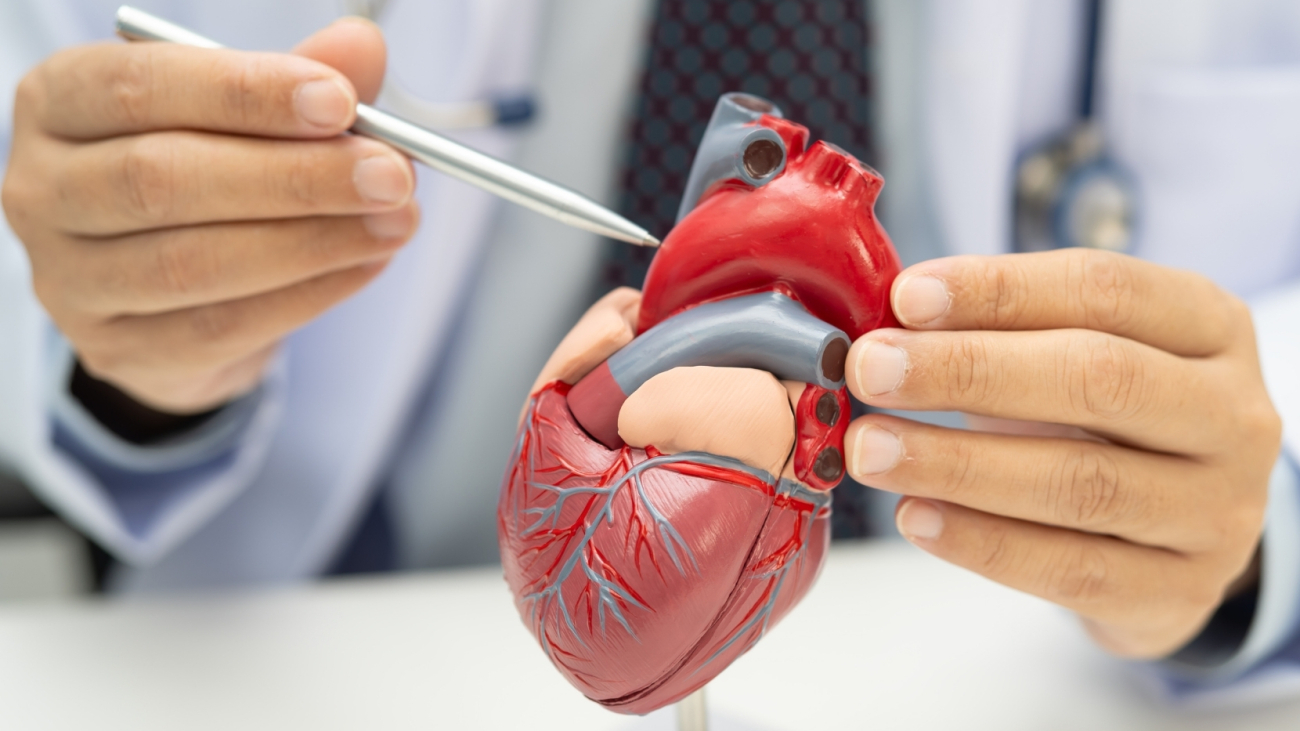
Recent studies have revealed a significant link between oral health and heart disease. In particular, gum disease is known to have negative effects on the cardiovascular system.

How does oral health affect the body?

The mouth is like a gateway to the body, and bacteria present there can enter the bloodstream if left unchecked. Inflammation during gum disease can cause bacteria to pass from the gum tissue into the bloodstream. This can trigger inflammatory processes in different parts of the body.

Chronic oral infections constantly stimulate the immune system, creating a general inflammatory burden throughout the body. In the long term, this can negatively impact cardiovascular health.

Gum Disease and Heart Risk

Gum disease, especially when it reaches an advanced stage, can not only lead to tooth loss but also increase the risk of heart disease. Studies show that individuals with advanced gum disease, such as periodontitis, have a higher risk of heart attack and clogged arteries.

The main reason for this is that bacteria in the mouth can reach the bloodstream and the walls of blood vessels, promoting plaque formation and contributing to atherosclerosis. This process can play a significant role in the development of cardiovascular diseases.

Foaming agents like sodium lauryl sulfate (SLS) can cause oral sensitivity and canker sores in some people. Additionally, some artificial sweeteners and colorings can have adverse effects on sensitive individuals. Therefore, it is recommended that people with sensitive teeth and gums choose products with simpler ingredients.

The Importance of Oral Hygiene

Regular and proper oral care not only protects your teeth but also supports overall health. Brushing your teeth at least twice a day, using dental floss, and having regular dental checkups reduces the bacterial load in the mouth, minimizing potential risks.

Professional support is crucial at this point. Bayrampaşa Dental Clinic aims to contribute to the overall health of its patients by offering comprehensive examination and treatment services aimed at protecting oral health. Avrupa UBK Dental, on the other hand, focuses on the early diagnosis and treatment of periodontal diseases with a preventive dentistry approach.

Why is early diagnosis important?

Oral problems often don’t show symptoms in the early stages. However, regular checkups allow gum diseases to be detected early and treated before they progress. This protects dental health and reduces the risk of systemic problems such as heart disease.

Conclusion

The relationship between oral health and heart disease is a crucial aspect of overall health that should not be overlooked. Healthy gums and regular oral care are fundamental not only to an aesthetically pleasing smile but also to strong heart health. It’s possible to prevent major health problems with small, habit-forming changes.