dis-sikma-ve-sindirim-problemleri-arasindaki-iliski

Differences Between Metal-Supported and Zirconium Coatings

Differences Between Metal-Supported and Zirconium Coatings

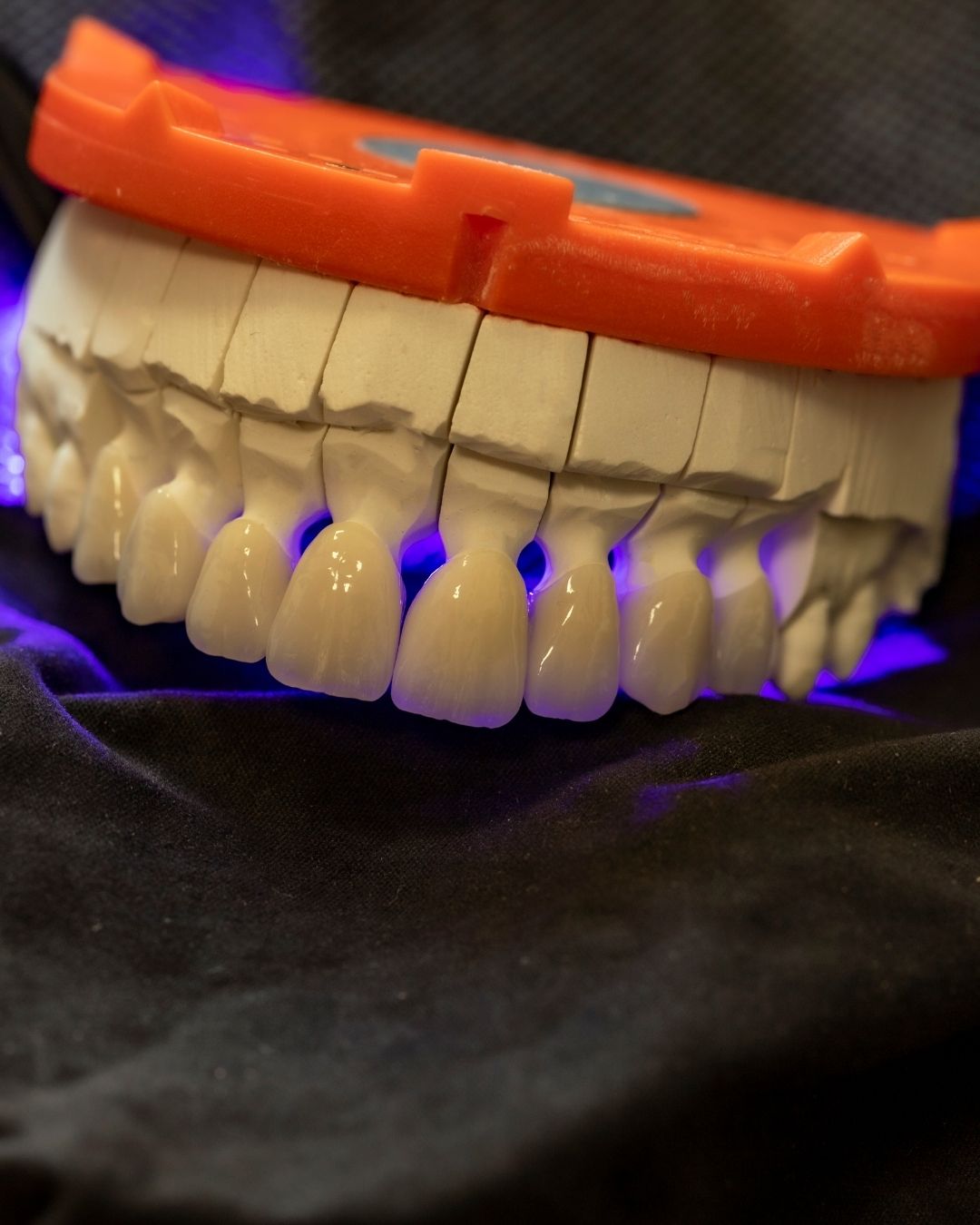
Dental veneers are treatments applied to both improve aesthetic appearance and protect damaged teeth. Today, the most commonly preferred types of veneers are metal-supported porcelain veneers and zirconium veneers.

Both methods address different needs, and understanding the differences between them is crucial for choosing the right treatment.

What are Metal-Reinforced Coatings?

Metal-supported crowns consist of a metal substructure on the inside of the tooth and a porcelain layer on top. Used in dentistry for many years, these crowns are particularly preferred for back teeth due to their durability. They offer a robust solution in areas subject to intense chewing forces. However, over time, the dark color of the metal may become noticeable at the gum line, which can be an aesthetic disadvantage for some patients.

Properties of Zirconium Coatings

Zirconium crowns have a white, metal-free substructure. Thanks to their light-transmitting properties, they closely resemble natural teeth. This feature provides a significant advantage, especially for patients with high aesthetic expectations regarding their front teeth. They also have better gum compatibility and reduce the risk of dark discoloration at the gum line. Zirconium is also notable for its durability, offering a long-lasting treatment option.

Comparison in Terms of Aesthetics and Naturalness

From an aesthetic point of view, zirconium crowns offer the closest results to natural teeth. Metal-supported crowns, on the other hand, have limited light transmission, resulting in a more matte appearance. Therefore, zirconium crowns are more frequently preferred in cases where smile aesthetics are a priority.

Durability and Applications

Metal-supported crowns can be safely used on back teeth due to their high durability. Zirconium crowns have also become quite strong with advancements in technology and can be easily applied to both front and back teeth. Which crown is suitable is determined according to the patient’s oral structure and chewing habits.

Which coating is right for you?

The choice of veneer should be made not only based on aesthetic expectations, but also according to gum health, tooth position, and the patient’s overall oral structure. Bayrampaşa Dental Clinic aims to determine the most suitable veneer option through detailed examination and personalized planning. Avrupa UBK Dental, on the other hand, offers both aesthetic and functional solutions with modern technologies and up-to-date treatment approaches.

Conclusion

Metal-supported and zirconium crowns are effective treatment options for different needs. Choosing the right type of crown is crucial for both a healthy and aesthetically pleasing smile. A correct choice, made after evaluation by an expert dentist, provides results that offer satisfaction for many years.

dis-sikma-ve-sindirim-problemleri-arasindaki-iliski

The Relationship Between Teeth Grinding and Digestive Problems

The Relationship Between Teeth Grinding and Digestive Problems

Teeth grinding, medically known as bruxism, is often seen as a problem associated only with the jaw and teeth. However, this habit can also affect different systems of the body.

Recent studies suggest a possible indirect but significant link between teeth grinding and digestive problems.

What is teeth grinding and why does it occur?

Teeth grinding often occurs under stress, anxiety, sleep disorders, and intense mental strain. The person frequently grinds or clenches their teeth without realizing it, especially during nighttime sleep. Prolonged teeth grinding can lead to excessive tension in the jaw muscles, headaches and neck pain, and even temporomandibular joint disorders.

Effects on the Digestive System

The relationship between teeth grinding and digestive problems is often explained by stress. Stress is both a primary trigger for bruxism and directly affects the stomach and intestinal system. Constantly tensed jaw muscles create general tension in the body, which can disrupt the balance of stomach acid. As a result, symptoms such as heartburn, bloating, indigestion, and bowel irregularities may occur.

The Indirect Link Between Jaw Muscles and Digestion

Constantly tensing the jaw muscles can put pressure on the autonomic nervous system. This can hinder the proper functioning of the neural mechanisms that regulate the digestive process. Morning stomach discomfort and loss of appetite, particularly in individuals who grind their teeth at night, may be indicative of this connection.

Why Should the Treatment Approach Be Holistic?

When teeth grinding is addressed solely by focusing on the teeth, the underlying causes may be overlooked. Therefore, both oral and dental health, as well as overall health, should be evaluated together. Bayrampaşa Dental Clinic offers solutions for teeth grinding problems with personalized retainer treatments and detailed jaw analyses, while Avrupa UBK Dental aims to improve patients’ quality of life with modern treatment approaches.

Conclusion

Teeth grinding is not just a simple habit that leads to wear on the teeth. In the long term, it can affect many parts of the body, including the digestive system. Therefore, early diagnosis, proper treatment, and stress management are of great importance. Protecting oral and dental health significantly contributes to maintaining overall health.

diş-eti-sismesi-sadece-enfeksiyon-belirtisi-mi

Swollen Gums: Is It Just a Sign of Infection?

Swollen Gums: Is It Just a Sign of Infection?

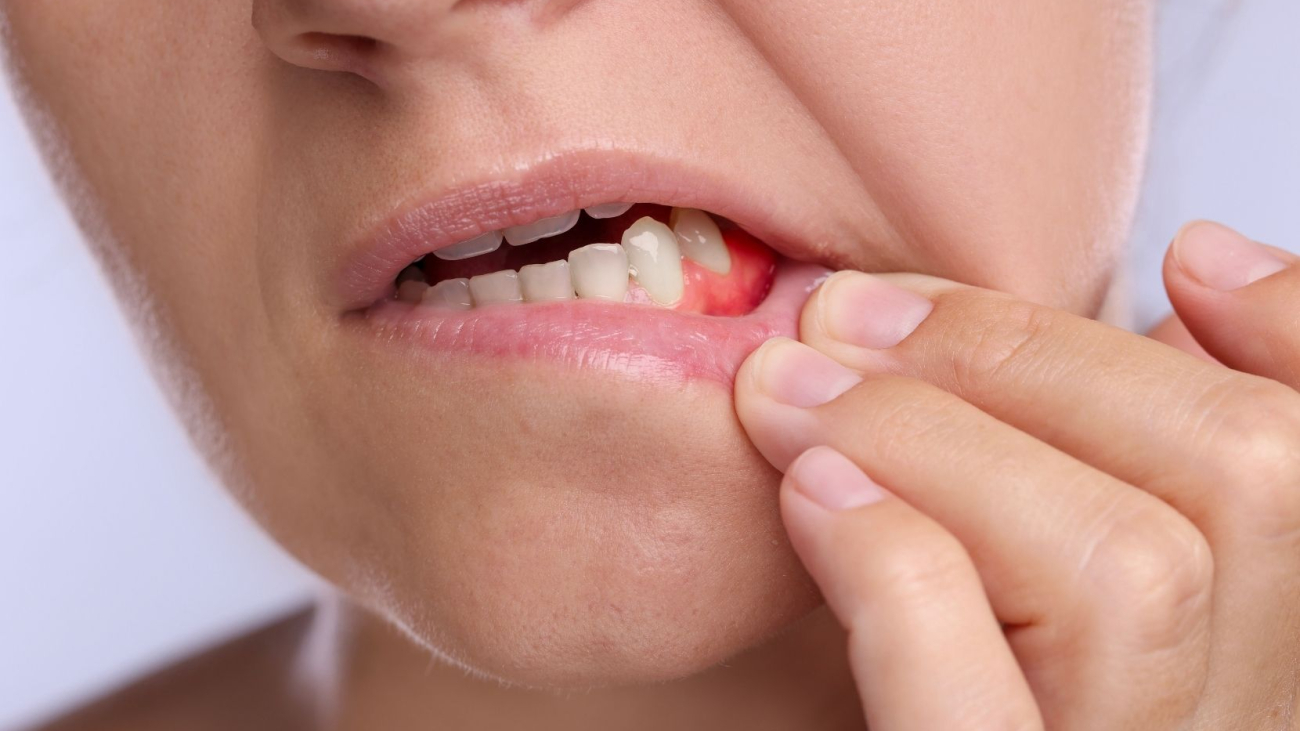
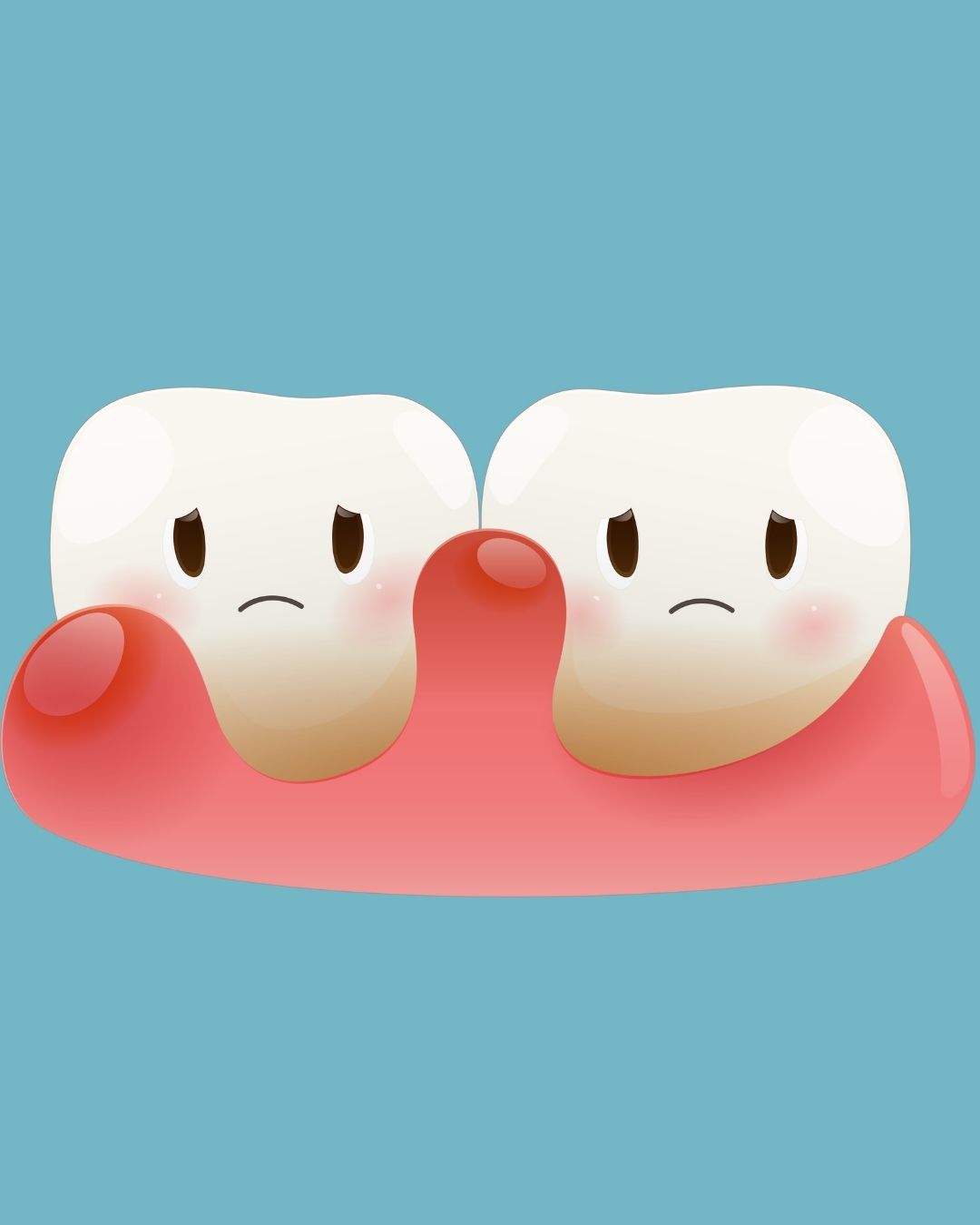
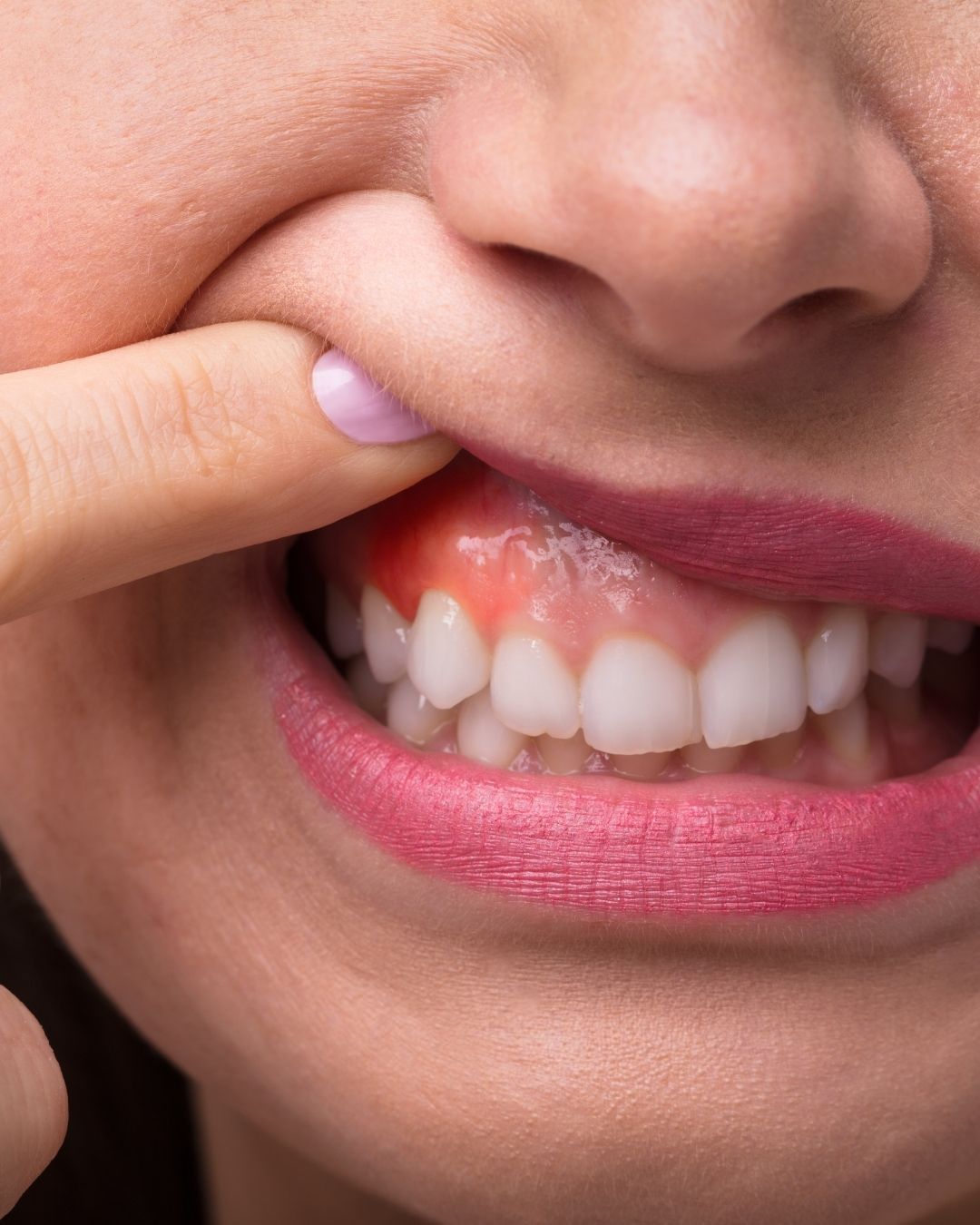
Swollen gums are a common problem in oral and dental health. While many people see this as simply a sign of infection, the underlying causes of swollen gums can actually be much more varied and significant.

If not detected early and addressed properly, it can lead to more serious oral health problems.

Common Causes of Swollen Gum

Poor oral hygiene is among the most common causes of swollen gums. Bacterial plaque that accumulates on tooth surfaces leads to inflammation and swelling of the gums over time. In addition, factors such as hormonal changes, vitamin and mineral deficiencies, a weakened immune system, and stress can also negatively affect gum tissue. Incorrect brushing techniques or teeth grinding habits can also cause sensitivity and swelling in the gums.

Is Swollen Gum Always an Infection?

Gum swelling isn’t always caused by infection. In some cases, side effects of medications, allergic reactions, or temporary bodily responses can cause gum swelling. Therefore, accurately determining the source of the swelling is crucial for an effective treatment plan.

When should you see a dentist?

If gum swelling persists for a long time, or is accompanied by symptoms such as bleeding, pain, bad breath, or tooth sensitivity, it should definitely be evaluated by a dentist. Early examination helps prevent more serious gum diseases and potential tooth loss.

Why is protecting gum health important?

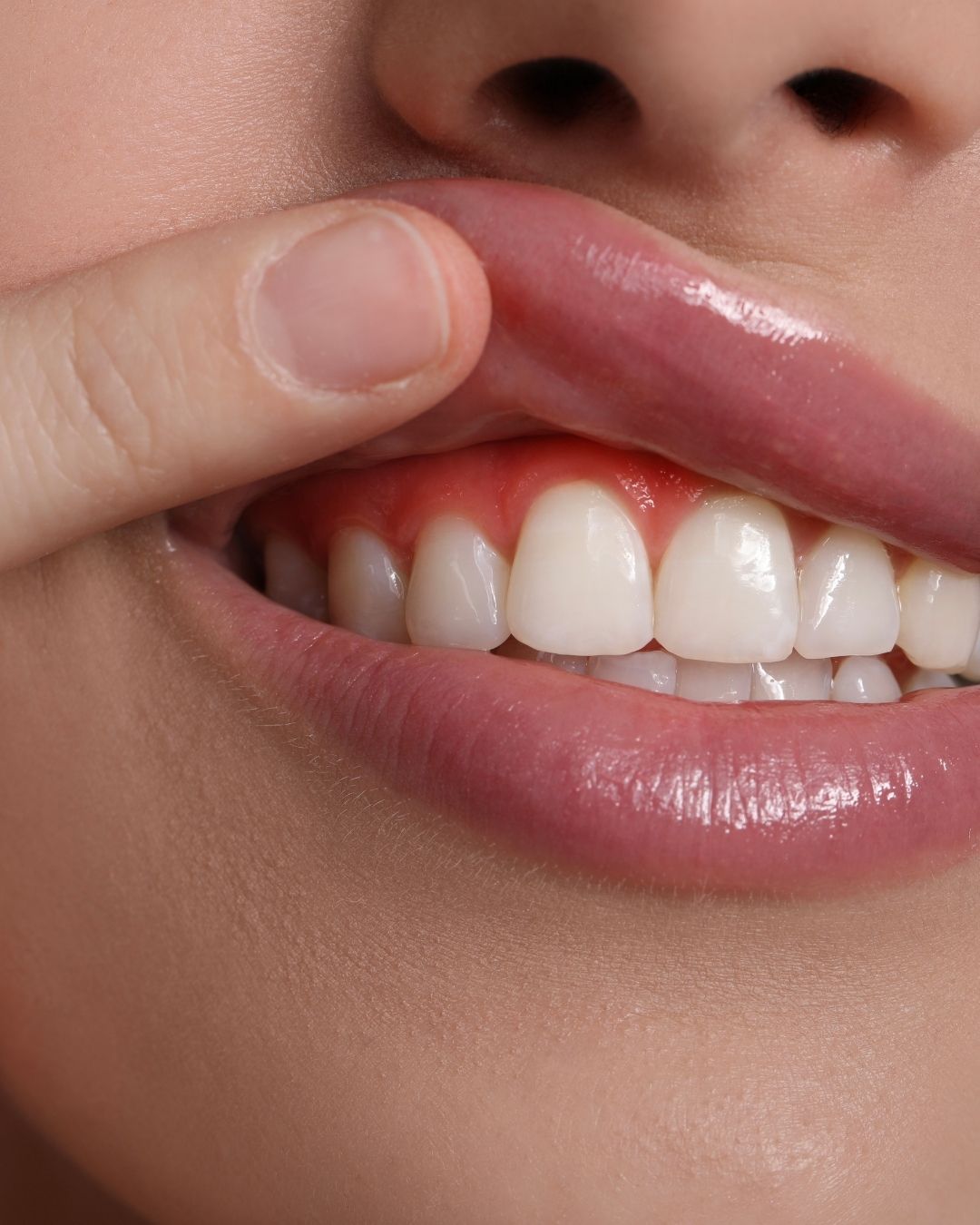
Gum health is an integral part of overall oral health. Healthy gums support the longevity of teeth and directly impact quality of life. Bayrampaşa Dental Clinic offers modern approaches to the diagnosis and treatment of gum diseases, while its expert team at Avrupa UBK Dental provides personalized and long-term solutions to its patients.

Conclusion

Diş eti şişmesi basit bir sorun gibi görülse de çoğu zaman vücudun verdiği önemli bir uyarıdır. Düzenli diş hekimi kontrolleri, doğru ağız bakım alışkanlıkları ve erken müdahale sayesinde diş eti problemlerinin önüne geçmek mümkündür.

agiz-icindeki-yaralarin-gecikmeyen-tedavi-isaretleri

Signs of Delayed Treatment for Mouth Sores

Signs of Delayed Treatment for Mouth Sores

Mouth sores are often considered minor irritations or temporary problems. However, in some cases, mouth sores can be a sign of a more serious health problem and should be evaluated by a specialist.

Bayrampaşa Dental Clinic and Avrupa UBK Dental aim to control potential risks early by offering a professional approach to the accurate diagnosis and rapid treatment of oral ulcers.

When Should Mouth Sores Be Taken Seriously?

Mouth sores usually heal on their own within a few days. However, if this process is prolonged or there are significant changes in the type of sore, attention should be paid. Sores that last longer than three weeks should definitely be evaluated by a dentist. Recurring sores can be due to various reasons, from immune system problems to oral infections. Sores that do not heal for a long time or that recur every month require professional examination.

If the pain and burning sensation increase

While most mouth sores cause mild pain, a burning or stinging sensation intense enough to affect daily life is unusual. Increasing pain, enlargement of the sore, or redness around the sore may signal an infection. This indicates a condition requiring prompt treatment. Bayrampaşa Dental Clinic and Avrupa UBK Dental provide comprehensive care for the proper treatment of infected sores.

If the shape or color of the wound changes

Mouth sores tend to shrink and heal over time. However, darkening of the sore’s color, the formation of white spots, hardening of the edges, or irregular shape are not normal. Such changes may be early signs of oral yeast infections, viral diseases, or, although rare, oral cancer. Therefore, these symptoms should be taken seriously and a specialist dentist should be consulted.

If difficulty swallowing or speaking occurs

As mouth sores progress, they can cause pain severe enough to make swallowing or speaking difficult in some patients. A feeling of something stuck in the throat when swallowing or a burning sensation while speaking may indicate that the sore is deepening or that there is widespread inflammation. This is a classic sign that requires immediate intervention and prompt treatment.

Recurrent Wounds and Systemic Diseases

Recurrent mouth sores may be related to vitamin deficiencies, immune system problems, hormonal changes, or gastrointestinal diseases. Canker sores or ulcers that recur every month may not be just a local problem, but a reflection of problems in other areas of the body. Early diagnosis of such recurring sores is critical for both oral health and overall health.

Conclusion: Early intervention protects oral health.

While most mouth sores are caused by simple reasons, some symptoms may indicate a serious problem requiring early intervention. Prolonged soreness, changes in shape and color, intense pain, difficulty swallowing, or frequent recurrence should be taken seriously and a specialist should be consulted.

Bayrampaşa Dental Clinic and Avrupa UBK Dental are reliable points of contact for the accurate assessment and prompt treatment of oral ulcers. Early diagnosis by expert physicians protects your oral health and prevents more serious health problems.

sporcularda-dis-sagligi-agiz-koruyucu-kullanmanin-onemi

Dental Health in Athletes: The Importance of Using Mouthguards

Dental Health in Athletes: The Importance of Using Mouthguards

Just as much attention is paid to physical health during sports, it is equally important to pay attention to oral and dental health. Dental and jaw injuries are quite common, especially in contact sports or sports with a risk of falls.

At this point, mouthguards provide simple but effective protection for athletes. Bayrampaşa Dental Clinic and Avrupa UBK Dental draw attention to the importance of preventive practices aimed at protecting the oral and dental health of athletes.

Why are teeth at risk during exercise?

Sports like basketball, football, boxing, handball, karate, and similar disciplines carry a high risk of injury. Collisions, falls, or uncontrolled contact can lead to serious problems such as broken teeth, tooth loss, and lip and cheek injuries. Not only professional athletes, but also amateur athletes face these risks. Because the mouth and teeth area is a delicate structure, even a minor impact can cause permanent damage.

What is a mouthguard and what is it used for?

Mouthguards are specialized devices used to protect teeth, gums, jaw, and soft tissues from impacts during sports. When used correctly, they significantly prevent tooth fractures, temporomandibular joint (TMJ) injuries, and soft tissue damage. They also reduce sudden stresses on the TMJ, preventing post-sports pain.
Advantages of Custom-Made Mouthguards

While commercially available mouthguards exist, custom-made mouthguards are far more secure and comfortable. These mouthguards, which perfectly fit the individual’s dental structure, prevent difficulties with speaking and breathing during sports activities. Bayrampaşa Dental Clinic and Avrupa UBK Dental recommend custom-made mouthguards that provide maximum protection and are tailored to the individual’s dental structure. This ensures both uninterrupted performance and effective protection of oral health.
The Relationship Between Athlete Performance and Oral Health

Oral and dental health problems can negatively impact the overall performance of athletes. Toothaches, jaw problems, or infections can lead to loss of concentration, sleep problems, and decreased training efficiency. Using a mouthguard reduces the risk of such problems by preventing trauma that may occur during sports.

Conclusion: A Small Precaution, A Big Protection

Sporcular için ağız koruyucu kullanımı, sadece dişleri değil genel sağlığı da koruyan önemli bir önlemdir. Basit bir aparat sayesinde kalıcı diş kayıplarının ve ciddi çene yaralanmalarının önüne geçilebilir. Bayrampaşa Diş Kliniği ve Avrupa UBK Dental, sporla ilgilenen herkesin ağız koruyucu kullanmayı alışkanlık haline getirmesini ve düzenli diş kontrollerini ihmal etmemesini önerir. Sağlıklı bir ağız yapısı, güvenli ve başarılı bir spor yaşamının önemli bir parçasıdır.

ortodontik-tedavi-sonrasi-pekistirme

Why is the Retainer Process Important After Orthodontic Treatment?

Why is the Retainer Process Important After Orthodontic Treatment?

Orthodontic treatment is a comprehensive process that allows teeth to achieve a more aesthetically pleasing and functional alignment. However, treatment isn’t complete once the braces are removed. The “reinforcement process,” or the use of retainers, is crucial for teeth to adapt to their new positions and maintain them in the same alignment over the long term.

Bayrampaşa Dental Clinic and Avrupa UBK Dental aim to achieve permanent results by offering their patients the most appropriate reinforcement program in the post-orthodontic support process.

What is a Retainer and What Does It Do?

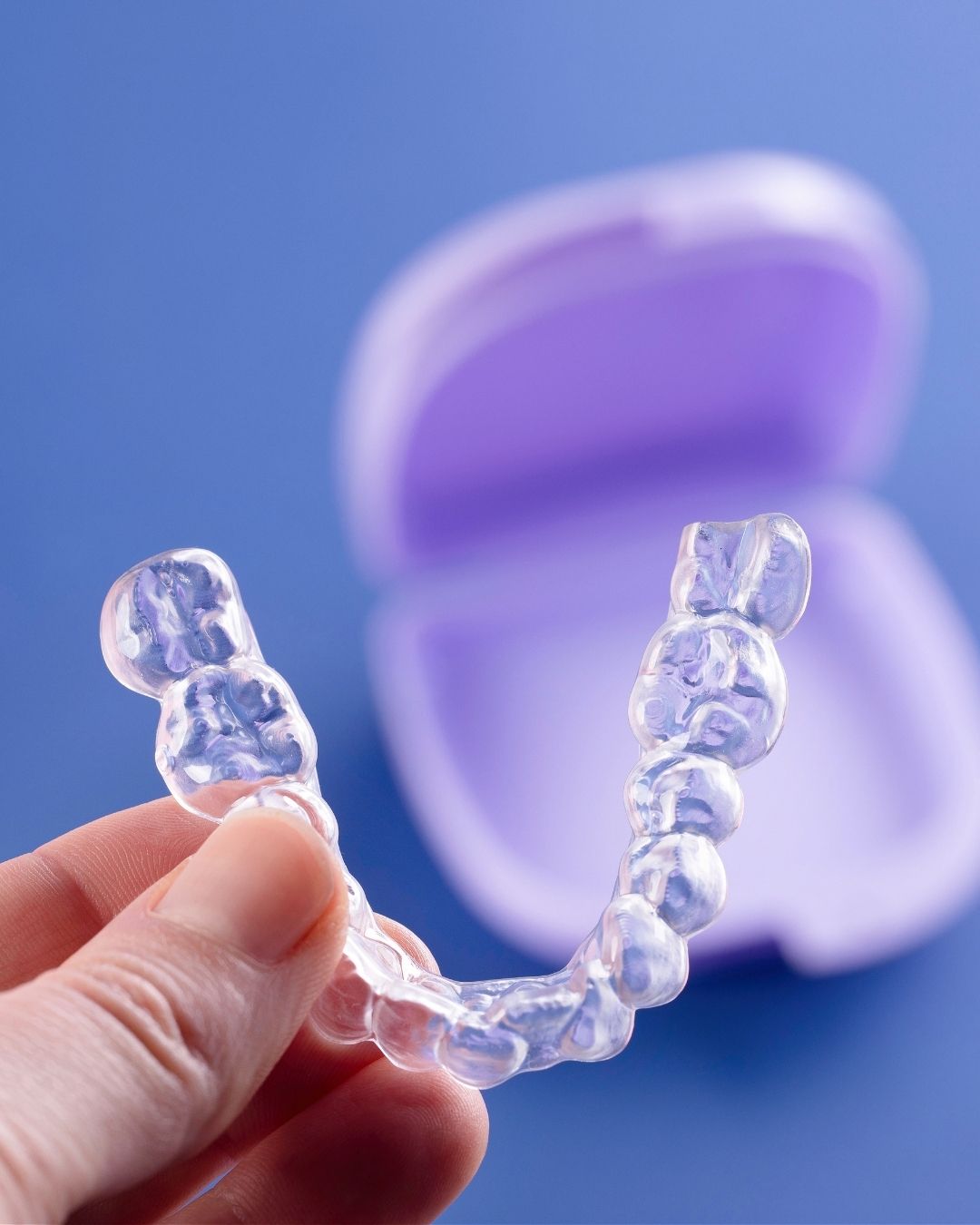
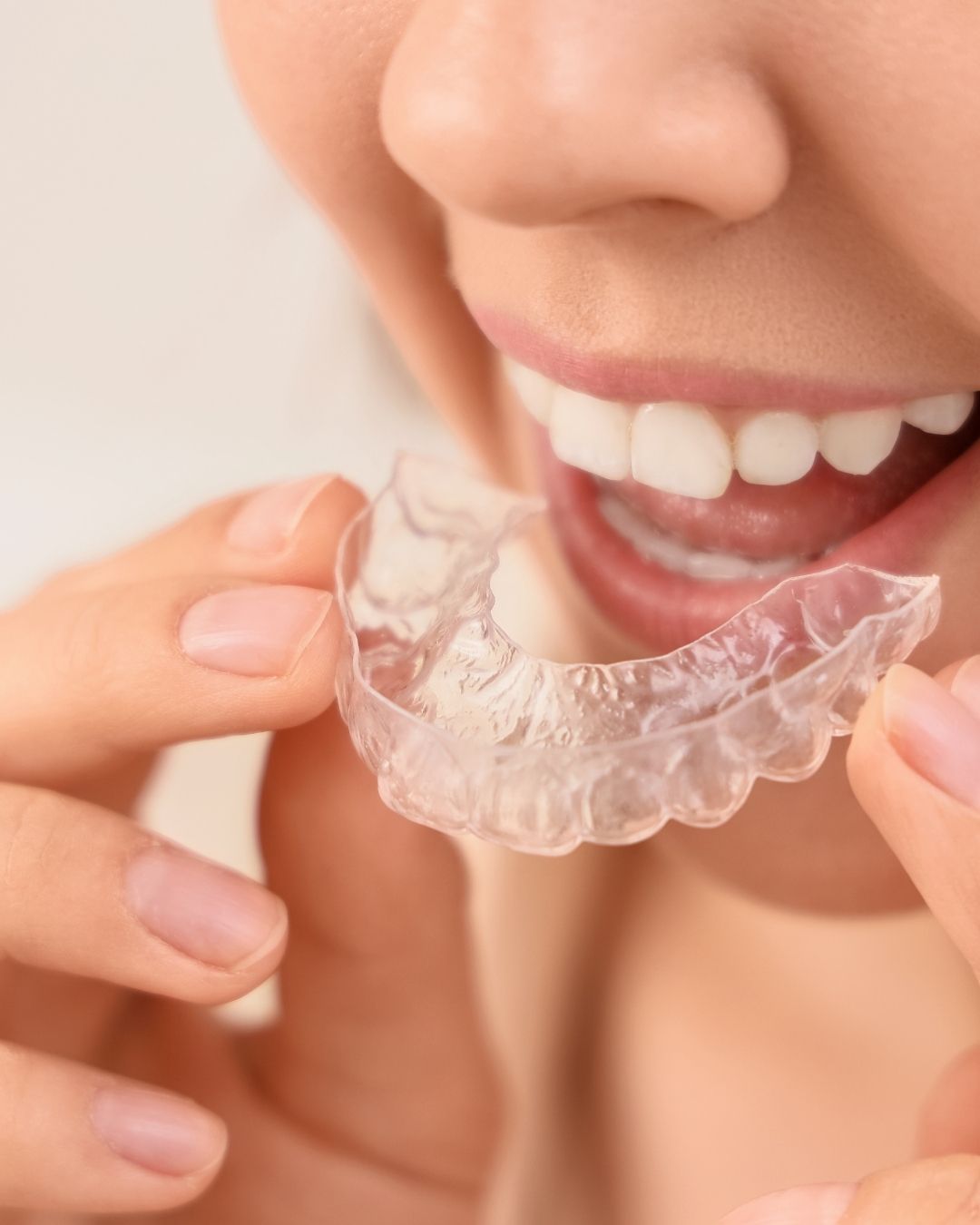
Retainers are special appliances that help keep teeth stable after orthodontic treatment is completed.
Teeth need to be supported for a period of time to fully adapt to their new positions; otherwise, they may tend to return to their previous positions.

The main functions of the Retainer are:

  • Protecting the new alignment

  • Preventing teeth from moving backwards

  • Supporting the jaw structure to adapt to the new position

  • To make the aesthetic and functional results obtained with the treatment permanent.

Why is the Reinforcement Process Necessary?

The tissues surrounding teeth moved by orthodontic treatment (bone, ligament, and gum) cannot immediately adapt to their new placement. Therefore, the first few months are considered the most critical period.

When the reinforcement process is not applied:

  • Crooked teeth may reoccur

  • The aesthetic appearance achieved during treatment may be impaired.

  • Jaw relationships may change again

  • Many years of effort and investment may go to waste

Bayrampaşa Dental Clinic and Avrupa UBK Dental prepare personalized reinforcement plans so that their patients can manage this process correctly.

What are the Retainer Types?

Reinforcements fall into two basic categories:

1. Fixed Retainer

It consists of a thin wire that is attached to the inside of the teeth.

  • Provides continuous protection

  • It has an invisible structure

  • Especially ideal for the lower front area

2. Movable Retainer

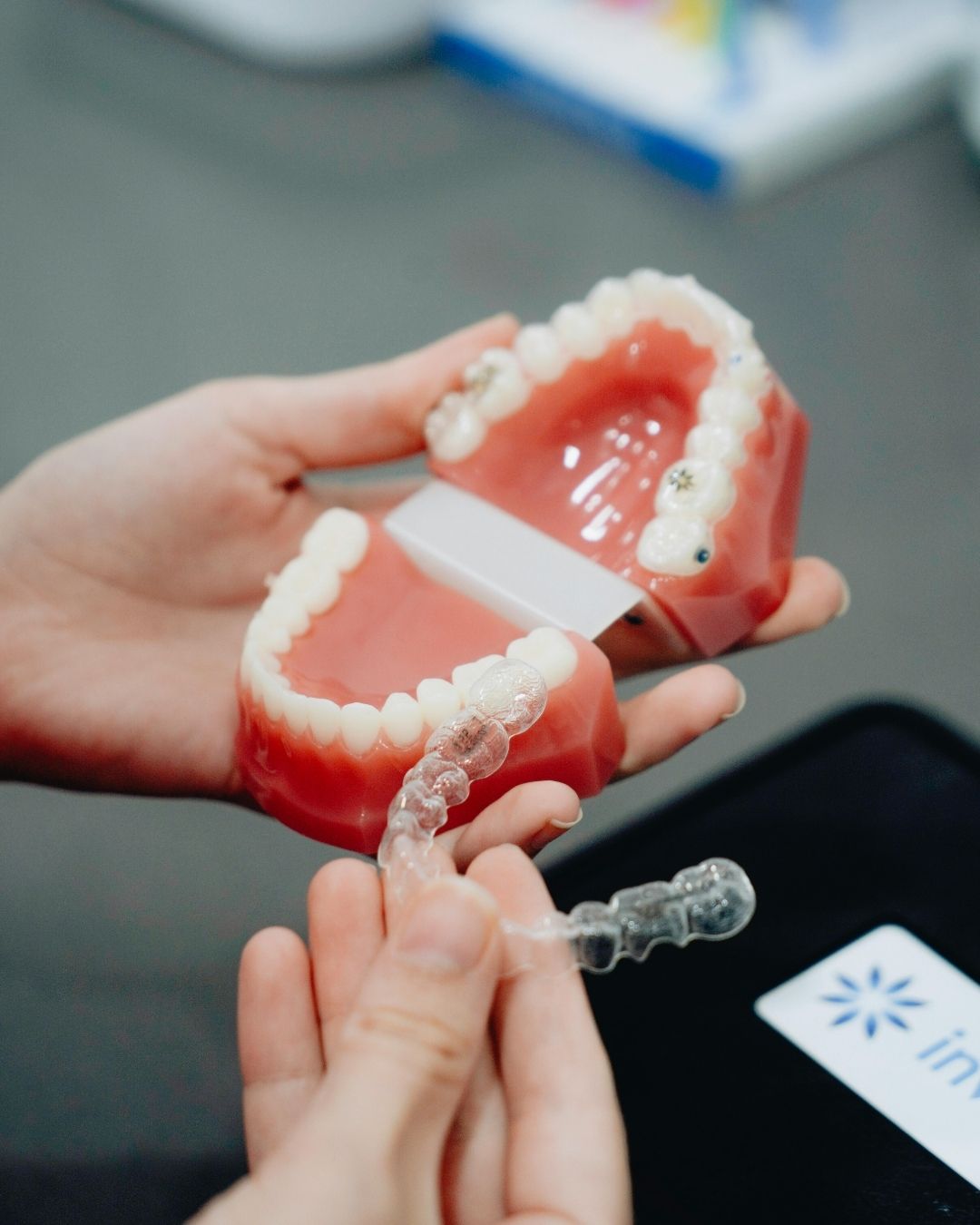
These are transparent aligners that are worn at night or at certain times.

  • It is easy to use

  • It is practical in terms of oral hygiene

  • It is frequently preferred for the upper jaw.

Ortodontist, hastanın ihtiyaçlarına göre her iki yöntemi birlikte de önerebilir.

How Long Is the Reinforcement Period?

The duration of reinforcement varies from person to person, but generally:

  • Requires regular use for the first 6-12 months

  • In some cases it may continue for several years

  • It may be recommended that the fixed retainer remain in place for a longer period of time.

This phase is the most important period that determines the permanence of the treatment.

What Should You Pay Attention to When Using Retainers?

  • The removable retainer should be cleaned regularly.

  • The fixed retainer area should be brushed carefully.

  • Checks should not be disrupted

  • In cases of loss, breakage or loosening, the clinic should be consulted.

Bayrampaşa Dental Clinic and Avrupa UBK Dental professionally manage all maintenance and control processes related to retainer use.

Conclusion: Reinforcement is a Must for a Lasting Smile!

The post-orthodontic treatment retention process is essential for maintaining a beautiful and healthy smile for many years to come. Using a retainer ensures treatment success by preventing teeth from reverting to their original state.

Those who want to get expert support for a permanent, aesthetic and healthy smile can safely contact Bayrampaşa Dental Clinic and Avrupa UBK Dental.

Hazırlamamı istediğin başka blog metni varsa hemen yazabilirim!

dis-gicirdatma-ve-migren-aralarindaki-bag-nedir

Teeth Grinding and Migraine: What is the Connection Between Them?

Teeth Grinding and Migraine: What is the Connection Between Them?

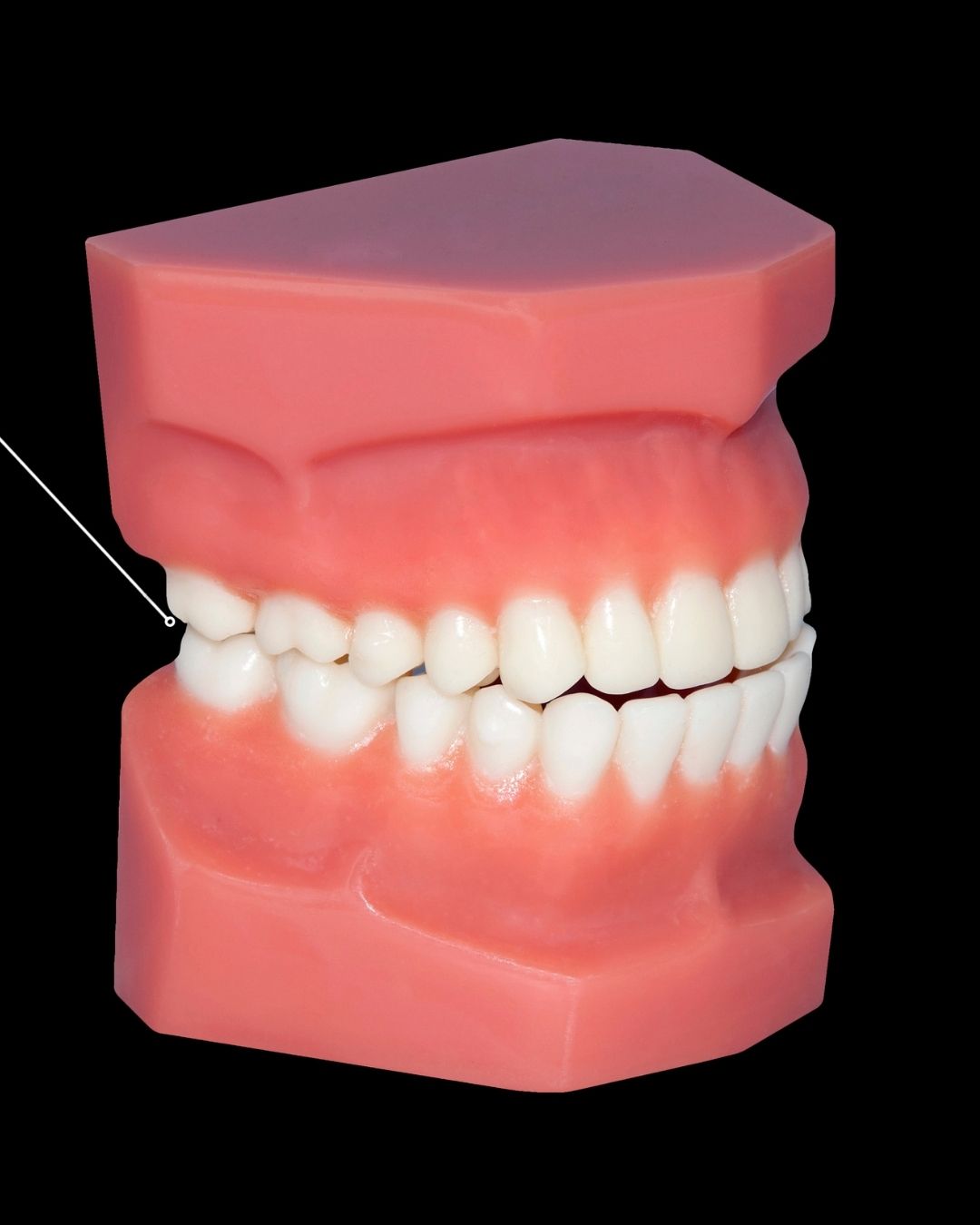
Teeth grinding, or bruxism, is a condition that many people experience without realising it, and it usually occurs during sleep. Although it may seem like a simple habit that causes tooth wear, it actually has a wide range of effects, from headaches to migraines.

At specialist centres such as Bayrampaşa Dental Clinic and Avrupa UBK Dental, it is quite common for these two problems to occur together, and there is often a triggering relationship between them.

The Effect of Bruxism on Migraine

During teeth grinding, the jaw muscles clench with much greater force than normal. This excessive muscle activity causes tension in the muscle and nerve networks that extend from the jaw joint to the head region. This tension can lead to increased severity of headaches and more frequent migraine attacks. In individuals who wake up with throbbing headaches in the morning, the underlying cause is often found to be teeth clenching that occurs throughout the night.

The Harm Caused to the Body by Constant Teeth Grinding

Bruxism not only causes migraines but also leads to enamel wear, tooth fractures, jaw joint pain, and impaired sleep quality. Constant tension in the muscles of the head region creates a feeling of pressure in the face and temples. At Bayrampaşa Dental Clinic and Avrupa UBK Dental, many patients present with these complaints together, leading to a detailed examination and diagnosis of bruxism.

Treatment Methods and Management Process

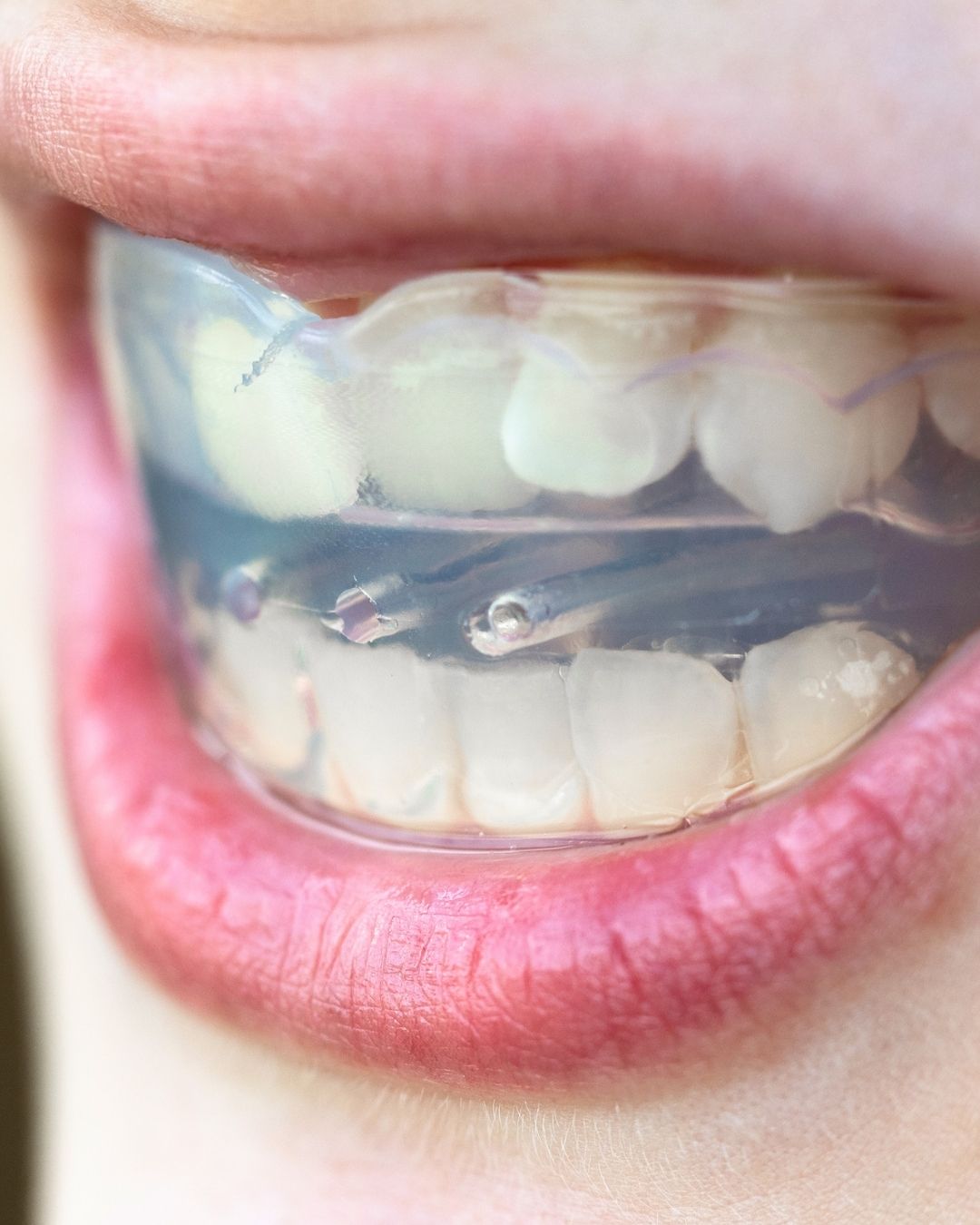
One of the most effective methods for managing both teeth grinding and migraines is the use of custom-made night guards. These guards prevent teeth from damaging each other while also relaxing the jaw muscles. With regular use, a significant reduction in headaches is observed. In addition, jaw muscle relaxation techniques, stress management, and lifestyle adjustments also support the process. At advanced clinics such as European UBK Dental, temporomandibular joint analyses and personalised treatment planning are among the most important steps in this process.

Conclusion

The link between teeth grinding and migraine may be much stronger than you think. If you experience frequent headaches, jaw pain upon waking up in the morning, or tooth sensitivity, the cause may be bruxism. The expert teams at Bayrampaşa Dental Clinic and Avrupa UBK Dental offer a comprehensive approach to this problem, aiming to both reduce migraine attacks and protect dental health. Early diagnosis and proper treatment can significantly improve your quality of life.

agiz-florasinin-onemi-saglikli-bir-mikrobiyom-nasil-olusur

The Importance of Oral Flora: How Does a Healthy Microbiome Develop?

The Importance of Oral Flora: How Does a Healthy Microbiome Develop?

When we talk about oral health, we often think of teeth and gums, but there is another structure that is invisible yet equally important: the oral flora, or oral microbiome. The bacteria, fungi and other microorganisms that live in the mouth play a critical role in maintaining health.

When the balance of this microbiome is disrupted, a wide range of problems can arise, from tooth decay to gum disease, bad breath to digestive issues.

What is Oral Flora?

Oral flora consists of hundreds of different microorganisms that live in the mouth. Some of these organisms are beneficial and protect oral health. Beneficial bacteria balance the acids that damage tooth enamel, prevent harmful microorganisms from multiplying, and help keep the oral defence system strong. The more balanced the oral flora is, the stronger the health of the teeth and gums will be.

Factors Leading to Oral Flora Imbalance

There are many factors that can disrupt the balance of the oral microbiome. Excessive sugar consumption, antibiotic use, smoking, poor oral hygiene, stress and dry mouth can all cause this balance to be disrupted. A diet high in sugar, in particular, increases the risk of tooth decay as it creates an environment conducive to the growth of harmful bacteria. Similarly, people who experience constant dry mouth have reduced saliva production and a weakened natural cleansing effect of saliva, which can completely alter the flora.

How Does a Healthy Oral Microbiome Develop?

Regular care is essential for a healthy oral flora. Brushing your teeth at least twice a day using the correct technique, flossing and cleaning your tongue play a major role in maintaining the bacterial balance in your mouth. It is also important to avoid excessive use of antibiotics, eat a balanced diet, drink enough water and limit your sugar intake. Additionally, consuming probiotic-rich foods can help beneficial bacteria thrive more effectively in the mouth.

The Connection Between Oral Flora and General Health

The state of oral flora can affect not only teeth but also overall health. An unbalanced oral microbiome can weaken the immune system, trigger gastrointestinal problems, and even be linked to cardiovascular disease. Oral health is directly linked to overall health, and a healthy microbiome is one of the most important parts of this relationship.

Conclusion

Oral flora is one of the cornerstones of oral and dental health. Maintaining the balance of this invisible ecosystem is essential for a healthy mouth, both aesthetically and functionally. With proper care habits, a balanced diet, and regular dental check-ups, the oral microbiome can be kept strong, preventing many health problems in the long term. Taking small steps with an understanding of the importance of oral flora can yield significant and lasting results.

dis-curuklerinden-korunmak-icin-neler-yapilmali

What Should Be Done to Prevent Tooth Decay?

What Should Be Done to Prevent Tooth Decay?

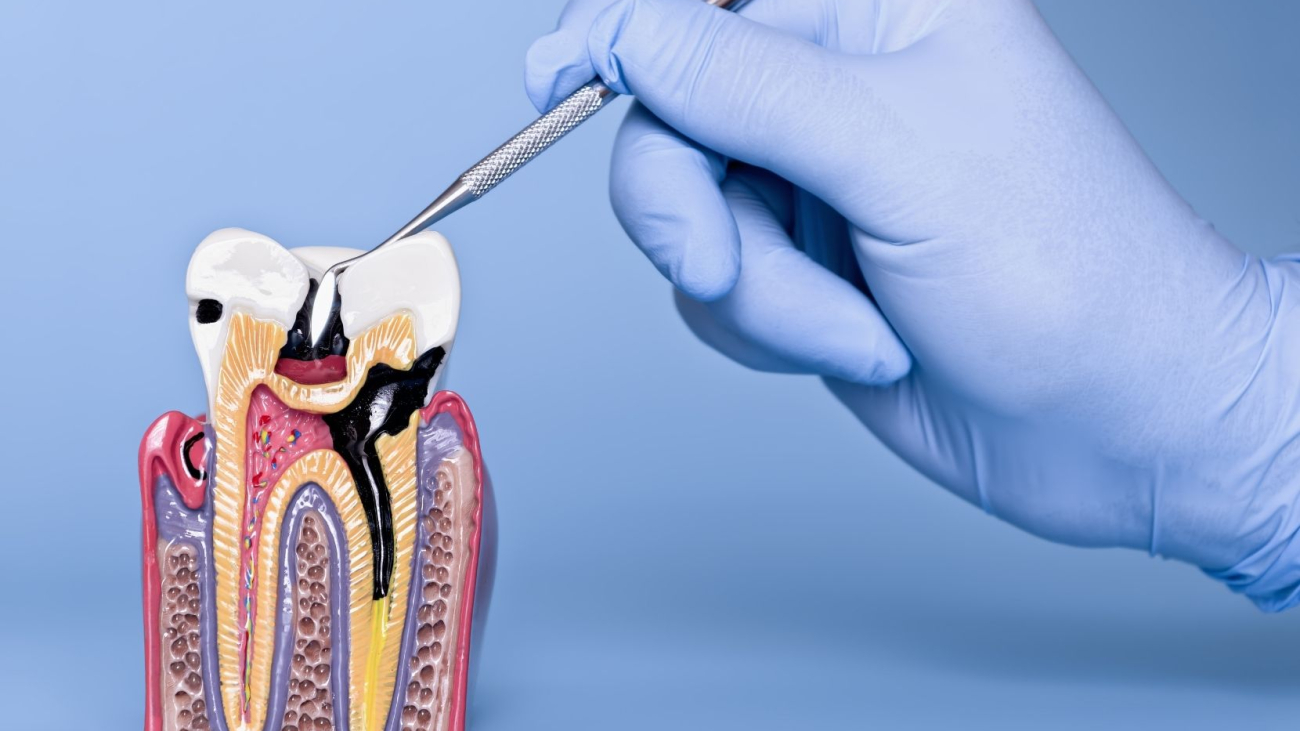
Tooth decay is one of the most common oral health problems and, if not addressed early on, can lead to both aesthetic and functional issues.

However, it is possible to prevent tooth decay with regular maintenance habits and proper nutrition.

Pay Attention to Oral and Dental Hygiene

The first step in preventing tooth decay is regular and proper tooth brushing. It is very important to brush your teeth at least twice a day, in the morning and evening, using a fluoride toothpaste. Using dental floss reduces the risk of decay by cleaning food debris from areas that the toothbrush cannot reach.

Pay Attention to Balanced Nutrition

Sugary and acidic foods damage tooth enamel and accelerate tooth decay. Therefore, it is important to avoid sticky sweets and carbonated drinks in particular. Drinking plenty of water balances the acid in the mouth and prevents bacteria from multiplying.

Don't Neglect Regular Dental Checkups

Tooth decay often goes unnoticed in its early stages. Therefore, visiting the dentist at least twice a year is crucial for detecting potential problems early on. Professional dental cleaning is also an effective practice for preventing tooth decay.

Take Advantage of Fluoride and Protective Treatments

Fluoride is one of the most effective substances for strengthening tooth enamel. Fluoride mouthwashes or gels recommended by your dentist increase the resistance of teeth to decay. Additionally, fissure sealant applications are an effective method for protecting molars, especially in children, where the risk of decay is high.

Watch Out for Snacks

Snacking frequently throughout the day increases acid production by bacteria in the mouth. Therefore, limiting snacks and always drinking water after eating is a simple but effective habit that reduces the risk of cavities.

Taking small precautions to prevent tooth decay makes a big difference in the long run.
Remember, a healthy smile starts with regular care and conscious habits.

dis-eti-hastaliklarinin-erken-belirtileri-nelerdir

What are the early signs of gum disease?

What are the early signs of gum disease?

Gum disease is a serious oral health problem that often progresses insidiously and, if not detected early, can lead to tooth loss.

However, recognising the early signs and taking timely action can easily halt this process.

1. Redness and Swelling of the Gums

Healthy gums are light pink in colour. If you notice redness, sensitivity or swelling in your gums, this could be the start of inflammation. Feeling pain when brushing your teeth or using dental floss is also an early sign of gum inflammation.

2. Bleeding when brushing your teeth or using dental floss

The most common early sign of gum disease is bleeding. Most people dismiss this as ‘brushing too hard’, but regular bleeding of the gums is a serious warning sign. In this case, it is essential to consult a dentist.

3. Bad Breath (Halitosis)

Persistent bad breath or a bad taste in the mouth can be caused not only by tooth decay but also by gum inflammation. This condition, resulting from bacterial build-up, may indicate poor oral hygiene and the onset of infection in the gums.

4. Gum Recession

The receding of the gums over time causes the teeth to appear longer than normal. This situation can be both aesthetically unpleasant and increase sensitivity by exposing the tooth roots.

5. Tooth Sensitivity and Loosening

If you feel an increased sensitivity to hot and cold foods, or if some of your teeth have started to become slightly loose, this is a sign that your gum tissue and bone are beginning to weaken.

Why is Early Diagnosis Important?

Gum disease can be easily treated in its early stages. With regular dental check-ups, professional teeth cleaning and good oral hygiene habits, you can keep your teeth and gums healthy for many years.

Remember, gum health directly affects not only your oral health but also your overall physical health.