dislerde-asimetri-ve-estetik-duzeltme-yontemleri

Asymmetry in Teeth and Aesthetic Correction Methods

Asymmetry in Teeth and Aesthetic Correction Methods

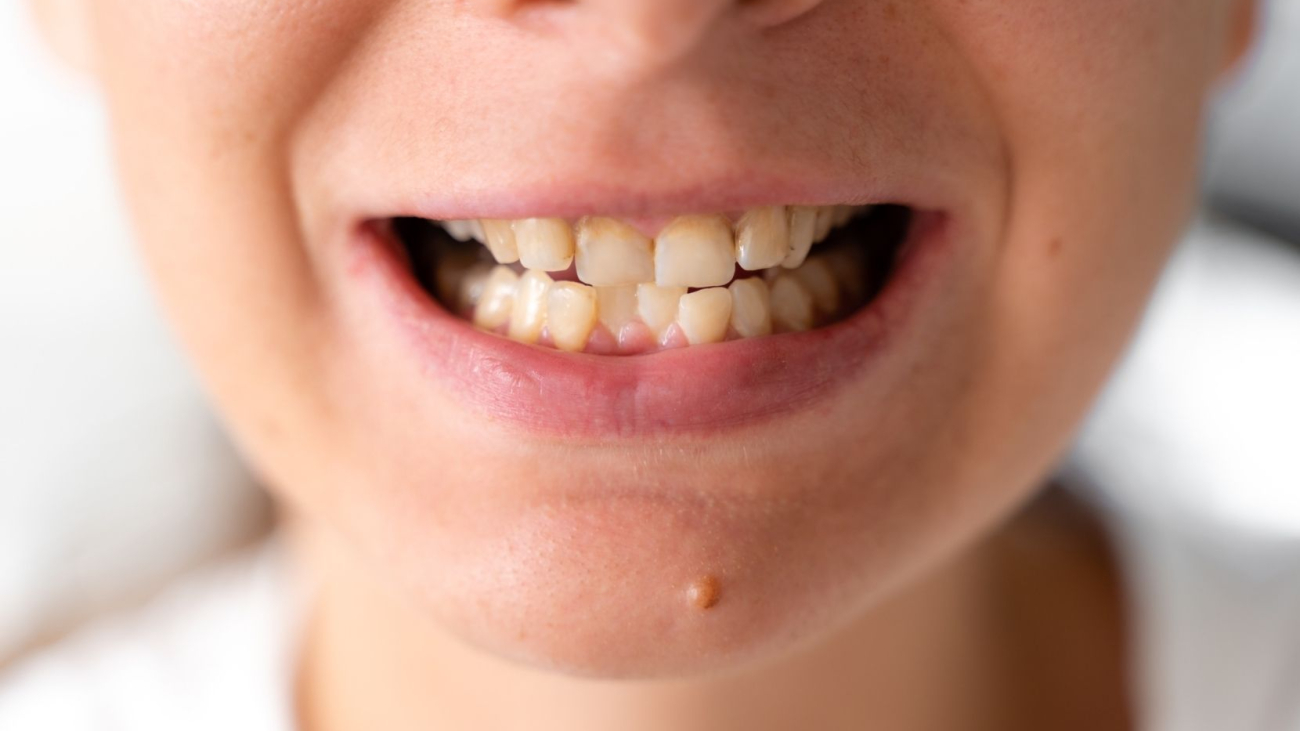
Smile aesthetics is not limited to the whiteness of the teeth. The shape, size, position and especially the symmetry of the teeth have a great impact on facial expression and general appearance. Asymmetries in the teeth can cause both aesthetic concerns and negatively affect chewing function.

Today, thanks to advanced aesthetic dentistry applications, such problems can be solved in a short time and patients can gain a natural-looking, balanced smile.

What is Tooth Asymmetry and Why It Occurs

Dental asymmetry is the disproportionate arrangement of the teeth in the upper and lower jaw to each other and to the facial structure. This condition may be congenital or may develop later. Defects in jawbone development, gaps after tooth extractions, teeth clenching habits, orthodontic disorders or traumas can lead to tooth asymmetry. Early loss of deciduous teeth or permanent teeth not erupting in the correct position can also trigger this condition.

Aesthetic and Functional Effects

Asymmetrical teeth can negatively affect a person’s smile in terms of aesthetics. The appearance of crooked or irregular teeth during the smile can reduce self-confidence. In addition, strain on the jaw joint, impaired chewing functions and some speech problems can also be seen. In the long term, such problems can lead to secondary problems such as pain in the jaw muscles, headaches and tooth wear.

Treatment Methods for Tooth Asymmetry

In the treatment of asymmetrical teeth, a detailed oral and maxillofacial examination is first performed. After determining which teeth and to what extent they are irregularly placed, a personalized treatment plan is created. In mild cases, symmetry can be achieved with bonding applications or aesthetic filling methods. In more advanced cases, porcelain laminates or zirconium veneers may be preferred. If the problem is caused by tooth alignment, orthodontic treatment, that is, alignment procedures with braces or transparent plates, can be applied. In some cases, jaw surgery may also be required depending on the asymmetry in the jaw structure.

What to Do for a Natural and Balanced Smile

Naturalness is as important as symmetry in dental aesthetics. The dentist determines the most suitable form for you, taking into account your facial structure and smile line. The symmetrical structure obtained after treatment both increases the aesthetic appearance and supports long-term oral health. For this reason, not only external appearance but also functional harmony should be targeted.

gece-dis-sikma-bruksizm-ile-basa-cikma-yollari

Ways to Cope with Night Teeth Grinding (Bruxism)

Ways to Cope with Night Teeth Grinding (Bruxism)

Have you ever noticed that you clench or grind your teeth during sleep at night? If you wake up in the morning with jaw pain, headache or facial muscle fatigue, this may be due to bruxism.

Bruxism is the habit of clenching or grinding teeth and usually happens unnoticed during sleep. Over time, it can cause wear on the teeth, problems with the jaw joint and severe pain.

What is Bruxism?

Bruxism is the unconscious clenching or rubbing of teeth together. This condition can be seen in both children and adults. It can also occur during the daytime, but most often occurs at night during sleep. The symptoms of bruxism are often indirect and often people do not realize that they have this problem for a long time.

Why does it occur?

One of the most common causes of bruxism is stress. Psychological conditions such as busy work schedule, emotional tension and anxiety can cause involuntary contraction of the jaw muscles during the night. In addition, sleep disorders, malocclusion, some neurological conditions and medications can also predispose to bruxism.

What are the Symptoms?

The main symptoms of bruxism include waking up with jaw pain in the morning, headache, tooth sensitivity, discomfort around the jaw similar to earache and visible abrasions on the tooth surface. In some people, their sleeping partner notices the grinding sounds and expresses this condition.

How to Deal with Bruxism?

The treatment of bruxism differs according to the source of the problem. As a first step, reducing stress is very important. Relaxation exercises, meditation, psychological support and relaxing activities before going to sleep can help with this. Dentists may recommend night plates (splints) to protect the teeth. By preventing direct contact with the teeth, these aligners prevent tooth wear and reduce the pressure on the jaw muscles.

Orthodontic treatments may also be needed if there are underlying bite problems. Improving sleep quality and addressing comorbid disorders such as sleep apnea are also part of the treatment. In some cases, it may be preferable to relax the jaw muscles with physical therapy and botox injections.

When to Consult a Dentist?

If you are experiencing symptoms such as jaw pain, fatigue, headache in the morning and you notice wear or fractures in your teeth, you should definitely consult a dentist. Early diagnosis is of great importance both in terms of protecting your dental health and preventing more serious jaw problems that may occur in the future.

dis-eti-cekilmesi-estetik-kaygidan-daha-fazlasi

Gum Recession: More Than Aesthetic Concern

Gum Recession: More Than Aesthetic Concern

Gum recession is not only a problem that affects smile aesthetics. The underlying causes can lead to serious dental health problems when left untreated.

When the gums recede, the roots of the teeth are exposed, which brings the risk of sensitivity, decay and even tooth loss. In this article, we discuss in detail the causes, effects and solutions to gum recession.

What is Gingival Recession?

Gum recession occurs when the gum recedes further back from its position surrounding the tooth. While this makes the tooth appear longer, it can actually be a sign of a bigger problem. When the root surface of the tooth is exposed, this area becomes vulnerable to external factors. At the same time, the bone tissue supporting the tooth may decrease over time.

What are the Symptoms?

Gum recession usually progresses slowly and may be difficult to recognize at first. However, over time, symptoms such as tooth sensitivity, aesthetic concerns, tooth lengthening and the formation of gaps between the teeth appear. These symptoms should not be ignored and should be evaluated by a dentist.

Treatment Methods

When gum recession is recognized at an early stage, it can usually be stopped with proper oral care practices and professional cleaning. However, surgical interventions may be required in advanced cases. With procedures such as gum grafting, the tooth root can be closed and gum aesthetics can be restored. At the same time, if gum disease is present, this disease should be treated first.

Health Beyond Aesthetics

Although many people consider gum recession only as an aesthetic problem, the underlying causes of this condition can seriously threaten oral health when left untreated. For this reason, it is a condition that should be considered not only in terms of appearance, but also in terms of the general health of the teeth and gums.

tat-alma-duyusu-ve-dis-sagligi-agiz-icindeki-dengelerin-rolu

Sense of Taste and Dental Health: The Role of Intraoral Balance

Sense of Taste and Dental Health: The Role of Intraoral Balance

The sense of taste is an important sense that allows us to distinguish the flavor of food and directly affects our overall quality of life.

For this sense to function properly, not only the tongue but the entire oral environment needs to be in balance. Dental health has a much greater impact on the sense of taste than we think.

Anatomy of the Sense of Taste

Tasting takes place thanks to taste buds on the tongue. These buds detect the taste molecules in food and beverages and transmit them to the brain to create a sense of taste. However, a healthy environment in the mouth is necessary for this system to function properly. Conditions such as tooth decay, infections, plaque formation and dry mouth can disrupt this system.

The Link Between Dental Problems and Loss of Taste

Gum disease, advanced caries and neglect of tongue hygiene can lead to a weakened sense of taste. Inflammation in the mouth can affect the nerve endings, which can lead to a reduced sense of taste. There may also be temporary changes in the sense of taste after some dental treatments.

Dry Mouth and the Importance of Saliva

Saliva plays an important role in the transmission of taste molecules to the taste buds as well as maintaining bacterial balance in the mouth. In individuals with dry mouth, this transmission process is interrupted and the sense of taste is weakened. Since dry mouth is more common, especially in elderly people or people who take regular medication, taste changes also become common.

How to Support Oral Health to Preserve the Sense of Taste?

Regular oral and dental care not only prevents cavities but also preserves the sense of taste. Brushing at least twice a day, flossing and cleaning the surface of the tongue helps to maintain oral hygiene. At the same time, regular dental check-ups can detect unrecognized problems at an early stage and protect both dental health and the sense of taste.

dis-sagliginda-hormonlarin-rolu-menopoz-ergenlik-ve-hamilelik-donemi

The Role of Hormones in Dental Health: Menopause, Puberty and Pregnancy

The Role of Hormones in Dental Health: Menopause, Puberty and Pregnancy

Although oral and dental health is usually associated only with brushing habits, hormonal changes in the body also play a major role in this balance. Hormonal fluctuations in certain periods, especially in women, can lead to various problems such as gum sensitivity, bleeding, inflammation and tooth loss.

In this article, we look at the effects of hormones on dental health during puberty, pregnancy and menopause.

Puberty Increased Hormone Levels and Gum Reactions

Puberty is a special time when the body undergoes many physical and hormonal changes. During this period, there is a rapid increase in the level of hormones such as estrogen and progesterone. Increased hormones cause the gums to become more sensitive to plaque. This can lead to symptoms such as gum redness, swelling and bleeding.

During this period, it is very important to pay special attention to oral hygiene, to go to regular dental check-ups and to have professional cleaning when necessary.

Dental Health during Pregnancy: Protection for Two Lives

Pregnancy is a sensitive period during which oral and dental health needs special attention. Rising hormone levels, especially from the second and third months of pregnancy, make gum tissues more permeable, increasing the risk of inflammation. This condition, known as “pregnancy gingivitis”, can cause gum problems in many pregnant women.

In addition, morning sickness and vomiting can cause stomach acid to reach the oral environment and damage tooth enamel. Rinsing the mouth with water followed by cleaning with a soft brush is recommended instead of brushing the teeth immediately. Although dental treatment during pregnancy is generally safe, it is important to inform the dentist that you are pregnant.

Menopause Declining Estrogen and Dry Mouth

Menopause is a time when estrogen levels drop markedly in women, leading to changes in many of the body’s systems. Dental health is also affected. Estrogen deficiency can cause problems such as dry mouth, taste changes, gum recession and decreased bone density. Dry mouth, together with reduced salivation, leads to a decrease in the protective effect against dental caries and an increased risk of infection.

During this period, saliva-boosting products, sugar-free chewing gums and plenty of water consumption are recommended. In addition, regular professional check-ups should not be neglected to combat gum diseases.

Conclusion: The Silent Relationship Between Hormones and Dental Health

Hormonal changes that women experience throughout their life stages can directly affect oral and dental health. For this reason, not only oral hygiene but also hormonal balance should be taken into consideration and a personalized care plan should be implemented. During periods such as puberty, pregnancy and menopause, dental check-ups should not be interrupted and preventive measures should be taken by recognizing the symptoms early.

Remember: Oral health is an integral part of overall health and hormonal balance is one of the most important pieces of this puzzle.

dis-teli-mi-seffaf-plak-mi-kararsiz-kalanlar-icin-karsilastirmali-rehber

Braces or Clear Aligners? A Comparative Guide for the Undecided

Braces or Clear Aligners? A Comparative Guide for the Undecided

Orthodontic treatment is an effective method for correcting crooked or misaligned teeth, balancing the jaw structure and achieving a healthy smile. However, today, in addition to traditional braces, transparent aligners are increasingly preferred.

In this article, we will make a comprehensive comparison between braces and aligners and help you make the right choice.

Aesthetic Appearance: Which is Less Noticeable?

Braces are very noticeable, especially with metal brackets. Ceramic (clear) braces are less noticeable, but still visible. Clear aligners, on the other hand, are almost imperceptible, which is a great advantage for aesthetically-conscious adults and teenagers. Transparent aligners may be more attractive for people who care about their appearance in everyday life.

Comfort and Ease of Use

Braces are a fixed system; they cannot be removed and remain in the mouth permanently. While this improves the effectiveness of treatment, it can make eating and brushing difficult. Clear aligners, on the other hand, are removable and offer greater comfort with eating and oral hygiene. However, this requires the patient to wear the aligners regularly and correctly. Without disciplined use, treatment may take longer.

Treatment Duration and Efficacy

Both methods offer effective results. However, when it comes to complex dental problems, braces provide faster and more comprehensive intervention. Transparent aligners are mostly preferred for mild to moderate crowding. The orthodontist determines which treatment will give results in a shorter time after the evaluation.

Speech and its impact on daily life

Braces can cause short-term pain and speech difficulties when first fitted and during adjustments. Transparent aligners, on the other hand, cause a lisp in some patients in the first days, but they get used to it over time. In addition, the fact that the aligners can be removed on special occasions or during photo shoots provides social comfort.

Cost Difference

In general, clear aligners can be more costly than conventional braces. However, prices vary depending on the technology, brand and treatment duration. For this reason, when making a price comparison, it is necessary to evaluate not only the initial fee, but the cost covering the entire treatment process.

Conclusion Get Expert Advice Before Making a Decision

When choosing between braces and clear aligners, it is important to consider not only aesthetics, but also health and treatment efficiency. Each individual’s oral structure, habits and needs are different. In order to make the best decision, it would be the healthiest way to consult an orthodontic specialist and have an intraoral evaluation.

agiz-yaralarinda-evde-yapilan-hatalar-ne-yapilmali-ve-yapilmamali

Home Mistakes in Mouth Sores: What to do and what not to do?

Home Mistakes in Mouth Sores: What to do and what not to do?

Mouth sores are painful and uncomfortable conditions that most people experience at least a few times in their lives. They often appear as canker sores, cold sores, traumatic bites or cuts. These small but annoying lesions can make it difficult to eat, speak or even laugh.

However, when trying to treat such sores at home, many people make mistakes that can do more harm than good. In this article, we shed light on common misconceptions about canker sores and explain what to do and what not to do.

Causes of Mouth Sores

Canker sores can occur for many different reasons. The most common causes include a weakened immune system, vitamin deficiencies (especially B12, iron and folic acid), stress, trauma (hard foods, tooth brushing accidents), allergic reactions and viral infections (especially herpes). Identifying the underlying cause is critical to the success of treatment.

Common Mistakes at Home

One of the most common mistakes made when trying to treat mouth sores at home is to apply salt directly to the wound. Although this is a common practice, applying salt on an open sore can further irritate the tissues and prolong the healing time. Similarly, acidic substances such as vinegar or lemon will burn the wound more and cause damage. In addition, the use of hearsay herbal concoctions, unhygienic practices or medications recommended by others can lead to serious infections.

Another mistake is brushing the mouth too often or pressing directly on the wound. Such behaviors delay healing and increase pain. In addition, if spicy, acidic and very hot foods are avoided while the canker sore persists, the existing lesion will inevitably enlarge.

The Right Approaches and What to Do?

When mouth sores are encountered, oral hygiene should be the first priority. Teeth should be brushed gently and alcohol-free and antiseptic mouthwashes should be preferred. Gargling with warm salt water (without excessive use of salt) can support healing. Drinking plenty of water, eating foods rich in vitamin C and getting enough sleep help to strengthen the immune system. Some topical pain relieving gels or antiseptic solutions available over the counter in pharmacies can be used for canker sores.

In the case of viral sores such as cold sores, antiviral creams should be used at the first symptoms and contact with the sore should be avoided. If the sore lasts longer than a week, becomes recurrent or is accompanied by systemic symptoms such as severe pain and fever, a dentist or dermatologist should be consulted.

dis-sagliginda-uyku-hijyeninin-rolu

The Role of Sleep Hygiene in Dental Health

The Role of Sleep Hygiene in Dental Health

Sleep, which is closely related to general health, also has a significant impact on dental and oral health. Poor sleep quality negatively affects not only the immune system, but also oral balance and gum health.

In addition to regular tooth brushing, nutrition and routine dental check-ups, it is also necessary to have a quality sleep pattern to maintain dental health.

Sleep Quality and Tooth Grinding (Bruxism)

Unwittingly clenching or grinding the teeth during sleep is called “bruxism”. This is often caused by stress, anxiety or poor sleep quality. Bruxism can lead to tooth enamel erosion, tooth sensitivity, jaw pain and even headaches. Such problems are more common when sleep hygiene is not maintained. To protect the teeth at night, using a night plate under the supervision of a doctor can be an effective solution.

Open mouth and dry mouth while sleeping

Breathing should be through the nose during a healthy sleep. However, some individuals develop the habit of sleeping with their mouth open due to nasal congestion, allergies or sleep apnea. This causes dry mouth and bacteria multiply more easily because the protective effect of saliva is reduced. Reduced saliva leads to caries, gum disease and bad breath. In order to prevent dry mouth during sleep, a moisture balance should be maintained in the bedroom, sufficient water should be consumed during the day and moisturizing mouth sprays should be used, if necessary, on the recommendation of a physician.

Sleep Apnea and Oral Health

Sleep apnea is a condition characterized by short-term respiratory arrest during sleep. This condition can have an impact not only on systemic health but also on oral and dental health. Dry mouth, gingivitis and tooth wear are more common in individuals with sleep apnea. In addition, in cases of untreated apnea, dentists can help improve sleep quality by adjusting the jaw position with special appliances. This indirectly affects dental health in a positive way.

Improving Sleep Hygiene Contributes to Dental Health

Maintaining regular sleep habits directly contributes to maintaining dental health. Going to sleep and waking up at the same time, limiting screen use before bedtime, and avoiding caffeine and sugary foods not only improve sleep quality, but also reduce the negative factors that teeth are exposed to during the night. Late night snacks, especially sugary foods, are an invitation to tooth decay. When these habits are regulated along with sleep hygiene, oral health can be protected more effectively.

cocuklarda-parmak-emme-ve-emzik-kullanimi

Finger Sucking and Pacifier Use in Children

Finger Sucking and Pacifier Use in Children

Finger sucking and pacifier use are very common habits in infancy and early childhood. These behaviors give children a sense of security and help them calm down and fall asleep.

However, these long-term habits can have negative effects on oral and dental development.

What are the Effects on Tooth Development?

Finger sucking and pacifier use, especially when continued after the age of 2-4, can affect the alignment of the baby teeth, the jaw structure and the position of future permanent teeth. These habits, which constantly create pressure in the mouth, can cause the upper front teeth to be pushed forward and create a gap between the lower teeth. This is called “open bite” and may lead to the need for orthodontic intervention at a later age.

When to Stop Finger Sucking and Pacifier Use?

Experts generally recommend reducing these habits after the age of 2 and stopping them completely by the age of 3. This is because if the habit is stopped before this age, there is a high probability that the structural changes that may occur in the teeth will correct themselves. However, if the habit continues longer, jaw development can be permanently affected.

Duties of Families

Getting children to break these habits is a process that requires patience and understanding. Positive reinforcement and distraction methods may be more effective than pressure. In addition, if pacifiers are preferred, it is recommended to choose orthodontic pacifiers and to use them only at bedtime. Since finger sucking behavior is more difficult to control, it may be helpful to seek support from a pediatric dentist or child development specialist.

cene-eklemi-rahatsizliklari-tme-sebepleri-ve-tedavileri

Jaw Joint Disorders (TMJ): Causes and Treatments

Jaw Joint Disorders (TMJ): Causes and Treatments

The temporomandibular joint (TMJ), which is at the centre of many movements such as speaking, eating and yawning in daily life, is a very complex and important structure. Dysfunctions occurring in this joint, which connects the lower jawbone to the skull, can manifest itself with various symptoms such as restriction in jaw movements, pain or voice.

TMJ disorders can significantly affect not only oral health but also the overall quality of life of the individual.

What is Jaw Joint?

The jaw joint, called temporomandibular joint (TMJ) in medicine, is a highly complex structure that connects the lower jaw to the skull. It plays a major role in many basic movements such as speaking, chewing and swallowing. Therefore, any problem that occurs in this joint can negatively affect both oral health and general quality of life.

Causes of TMJ Disorders

Jaw joint disorders are usually not caused by a single cause, but by a combination of various factors. The most common causes are teeth clenching and grinding (bruxism). In addition, traumas to the jaw, improper closing of the teeth, disorders in the jaw structure, stress, anxiety and some rheumatic diseases can also trigger these disorders.

What are the Symptoms?

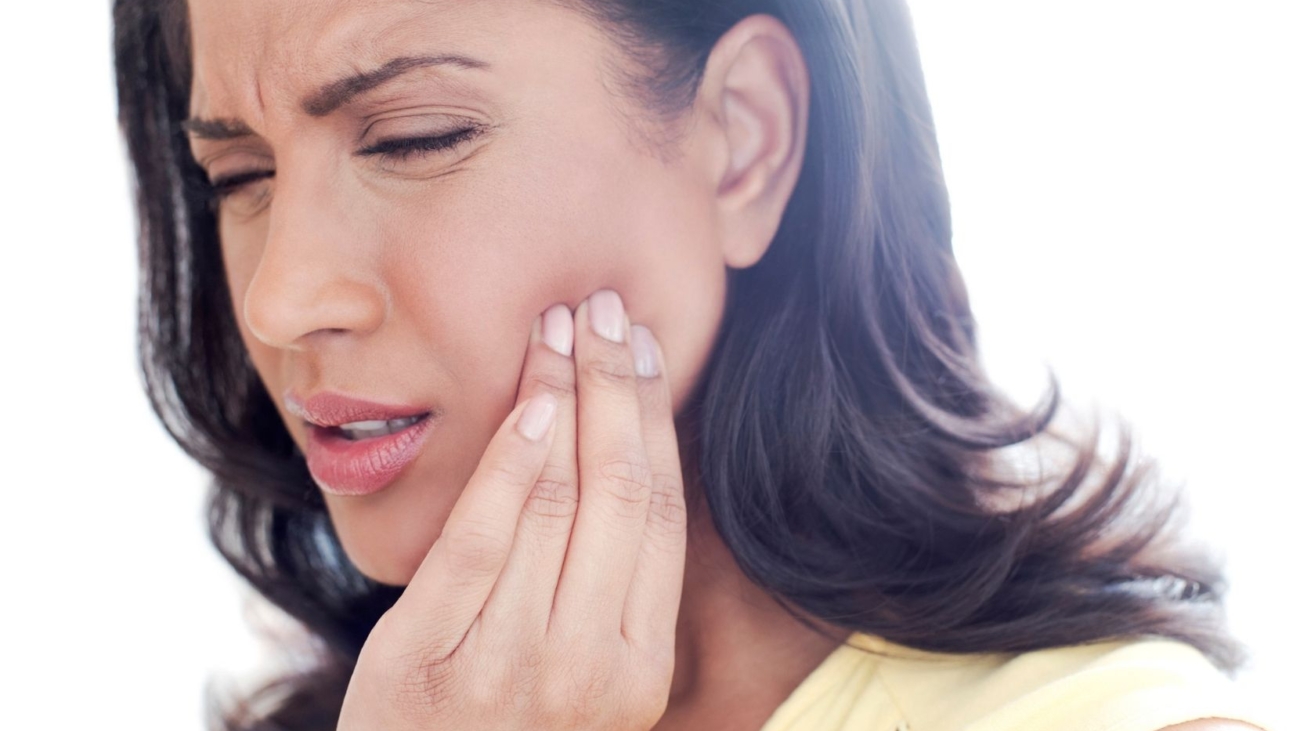
TMJ problems can manifest themselves with symptoms such as pain, tenderness during jaw movements, noise when opening and closing the jaw, jaw locking, tension in facial muscles. In the long term, this condition may also lead to headache, tinnitus and neck pain. Some patients notice that they get tired quickly while chewing or that they cannot open their mouth fully.

Treatment Methods

Non-surgical methods are primarily preferred in the treatment of TMJ disorders. The use of a night plate can relieve symptoms by relaxing the jaw muscles. In addition, muscle relaxants, physiotherapy applications, stress management techniques and psychological support are recommended when necessary. If adequate results cannot be obtained with these methods, botox injections or intra-articular treatments may be considered. In very advanced cases, surgical intervention may be required.

When Should You Seek Expert Assistance?

It is important to consult a dentist or maxillofacial surgeon if you experience pain, locking, crunching or significant discomfort in the facial muscles. Early diagnosis contributes to a faster and more successful treatment process.