dislerde-leke-olusumu-nedenleri-ve-estetik-cozumleri

Stain Formation on Teeth: Causes and Aesthetic Solutions

Stain Formation on Teeth: Causes and Aesthetic Solutions

A bright and healthy smile plays an important role for both aesthetics and personal self-confidence. However, stains on the teeth over time can negatively affect the appearance of your smile.

While there are many reasons behind discolouration on the tooth surface, it is possible to overcome these problems with the right treatment methods. Let’s take a look at the causes of tooth stain formation and aesthetic solutions together.

Main Causes of Stain Formation on Teeth

The most common cause of stains on teeth is the food and beverages we consume frequently in our daily lives. Especially products with high pigment content such as coffee, tea, red wine and acidic fruit juices can cause tooth enamel discolouration over time.

The use of tobacco products also causes distinctive stains on the teeth. Smoking and other tobacco products not only change the colour of the teeth, but also have a negative impact on oral health in general.

Poor oral hygiene habits cause plaque to accumulate on the teeth and these plaques turn into tartar over time and cause staining. In addition, as the tooth enamel becomes thinner with age, the underlying dentin layer becomes visible and a yellowish discolouration of the teeth may occur. Genetic factors can also be effective in determining the natural structure of the teeth and their susceptibility to discolouration.

Aesthetic Treatment Options for Tooth Stains

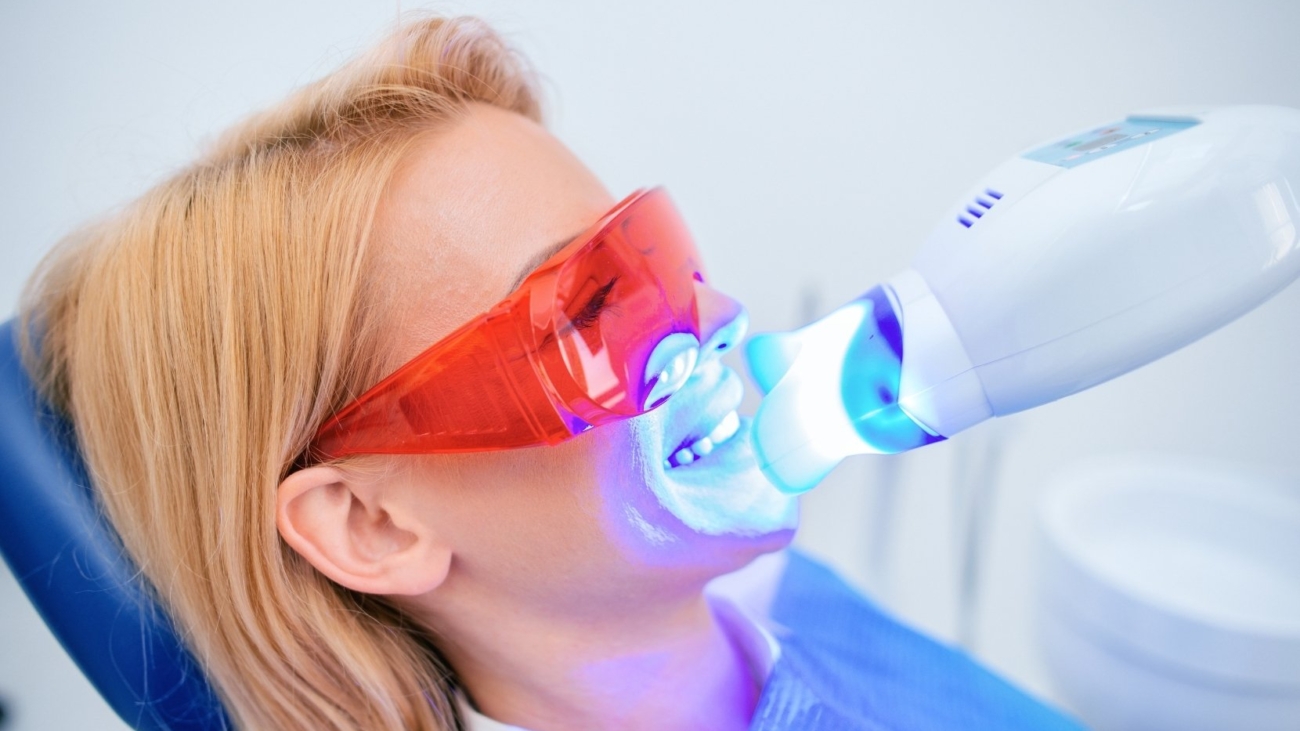
There are many aesthetic treatment methods developed against stain formation. Professional whitening procedures performed primarily under the control of a dentist are very successful in restoring the natural tone of the teeth. These methods applied in a clinical environment effectively remove both superficial and deep stains on the tooth surface.

Home whitening methods are another alternative. Whitening plaques and gel applications, which are individually prepared by the dentist, provide a whiter smile as a result of regular use.

If the discolouration of the teeth is very noticeable and whitening procedures are insufficient, restorative aesthetic solutions such as composite bonding or porcelain lamina can be preferred. With the bonding method, an aesthetic appearance is obtained by applying a special material to the tooth surface, while porcelain laminates provide a perfect aesthetic by coating the front surface of the teeth.

Precautions to Prevent Stain Formation

After the treatment process, it is important to change some habits to prevent the formation of stains on the teeth again. Limiting the consumption of acidic and coloured drinks, rinsing the mouth with water after consumption, regular tooth brushing and flossing are the cornerstones of daily care. In addition, thanks to routine dental check-ups, both existing stains can be removed and new formations can be prevented at an early stage.

seffaf-plaklarla-ortodontik-tedavi

Orthodontic Treatment with Transparent Plates: Aesthetics and Comfort Together

Teeth Whitening Methods: Which one is more suitable for you?

When it comes to orthodontic treatment, most people think of classic metal braces. However, in recent years, orthodontic treatment with transparent aligners has come to the fore for reasons such as aesthetic concerns, lifestyle and comfort needs.

This method, which offers a more invisible, more comfortable way to correct crowding or alignment problems in the teeth, is very popular especially among adults.

What is a Transparent Plaque and How Does It Work?

Transparent aligners are digitally designed specifically for the patient’s tooth structure. Thanks to three-dimensional scans, the condition of the teeth before and after treatment is planned in detail. The transparent aligners produced in accordance with this plan are changed at certain intervals, allowing the teeth to gradually return to the desired position.

Who is Suitable for Transparent Plaque Treatment?

This treatment method is suitable for the correction of crowded, separated or irregularly arranged teeth. It is very effective for mild and moderate orthodontic problems. However, whether it is suitable for each patient should be decided after evaluation by a specialist orthodontist.

Advantages of Transparent Plates

The biggest advantage of transparent plaques is that they are almost unnoticeable from the outside. It provides great comfort for people who care about their aesthetic appearance. In addition, being removable does not complicate daily oral care routines such as eating, brushing and flossing. It causes less intraoral irritation than traditional braces and does not adversely affect speech.

What is the Treatment Process?

Transparent plaque treatment can last between 6-18 months on average. The success of the treatment is closely related to wearing the aligners for an average of 20-22 hours a day and changing them regularly. Otherwise, the treatment period may be prolonged or the desired result may not be obtained.

Get Your Smile Back

Transparent aligners are an ideal choice for those looking for an invisible and comfortable orthodontic treatment. Thanks to these aligners specially produced for your tooth structure, it is possible to have both a healthy and aesthetic smile. Before starting treatment, you can determine the most suitable method for you by consulting an orthodontic specialist.

dis-beyazlatma-yontemleri-hangisi-sizin-icin-daha-uygun

Teeth Whitening Methods: Which one is more suitable for you?

Teeth Whitening Methods: Which one is more suitable for you?

A snow-white smile is an important detail in terms of both aesthetics and self-confidence. In daily life, coffee, tea, cigarettes and some foods can cause discolouration on the teeth. In this case, teeth whitening methods come into play. However, the most suitable method for everyone may differ.

In this article, we will help you find the most suitable option for you by comparing the most preferred methods of teeth whitening.

What is Teeth Whitening?

Teeth whitening is a cosmetic dentistry application that removes stains and discolouration on the tooth enamel and restores the natural whiteness of the teeth. Tooth colour may turn yellow over time due to age, eating and drinking habits and oral care. The whitening procedure reverses these discolourations and provides a more aesthetic appearance.

Most Effective Teeth Whitening Methods

1. Office Type Teeth Whitening (Clinical Application)

How is it applied?
It is applied by the dentist in a clinical environment using special whitening gels and light systems. Visible results are usually obtained in a single session.

Advantages:

  • Fast result

  • Safe application under expert control

  • Effective whiteness level

Who is it suitable for?
It is ideal for people with intense yellowing who want to get results in a short time.

2. Home Teeth Whitening

How is it applied?
It is applied at home by the patient by placing whitening gel in the plaques specially prepared by the dentist. It shows effect in an average of 1-2 weeks.

Advantages:

  • More economical

  • Comfortable application at home

  • Possibility of controlled progress

Who is it suitable for?
It is suitable for those who have less time pressure and want whiteness gradually.

3. Ready-made Teeth Whitening Products (Tape, Pen, Paste)

How is it applied?
The strips, whitening pencils or special toothpastes sold in pharmacies are suitable for personal use at home.

Advantages:

  • Reachable price

  • Easy application

  • Effective on light spots

Who is it suitable for?
Suitable for those with lighter stains or those who want to make a trial before professional treatment.

Who is not recommended for tooth whitening?

  • Individuals under 16 years of age

  • Pregnant and lactating women

  • Those with gum disease or decayed teeth

  • Since the effect will be limited in areas with porcelain, filling or coating on the teeth, a dentist control is absolutely necessary.

kirik-ve-catlak-dis-icin-uygulanan-baslica-tedavi-yontemleri

Main Treatment Methods for Broken and Cracked Teeth

Treatment Methods for Broken and Cracked Teeth

Our teeth are an indispensable part of our lives in terms of chewing, speaking and aesthetic appearance. However, fractures or cracks may occur in the teeth due to traumas, consumption of hard foods, night clenching (bruxism).

Such damage not only leads to aesthetic problems, but can also be a harbinger of pain, sensitivity and more serious dental problems. So, how are broken and cracked teeth treated?

Main Treatment Methods for Broken and Cracked Teeth

1. Bonding (Composite Filling)
It is preferred for small cracks or minor fractures. The damaged area is filled with a composite resin material suitable for the colour of the tooth and an aesthetic appearance is provided. The process is fast and usually completed in one session.

2. Porcelain Lamina (Lamina Veneer)
It is used especially for aesthetic concerns in the front teeth. Thin porcelain leaves are glued to the front surface of the tooth, both cracks are closed and an aesthetic smile is obtained.

3. Crown (Veneer) Application
It is preferred in cases of larger fractures or when the tooth has lost its durability. A specially prepared coating is placed on the tooth, allowing the tooth to regain its function and appearance.

4. Root Canal Treatment
It is applied in cases where the crack or fracture reaches the nerves of the tooth. The infected pulp (nerve-vascular tissue) is removed, the canal is cleaned and filled and a crown is usually placed on it.

5. Tooth Extraction
If the broken or fractured tooth is too damaged to be saved and other treatment options are insufficient, the tooth may need to be extracted. Then restorative treatment options such as implants or bridges are considered.

Factors Affecting Treatment Selection

  • Size and location of the fracture or fracture

  • Whether the tooth is alive or not (nerve damage)

  • Aesthetic expectations

  • Function of the tooth and general oral health of the patient

Ways to Prevent Broken and Cracked Teeth

  • Avoid breaking hard-shelled foods with teeth

  • If there is a problem of clenching teeth at night, use a night plate

  • Use a mouth guard when playing sports

  • Do not force the teeth with foreign objects (pen, nail, bottle cap, etc.)

  • Do not neglect regular dental check-ups

dis-hassasiyeti-neden-olur-ve-nasil-gecer

What Causes Tooth Sensitivity and How Does It Pass?

What Causes Tooth Sensitivity and How Does It Pass?

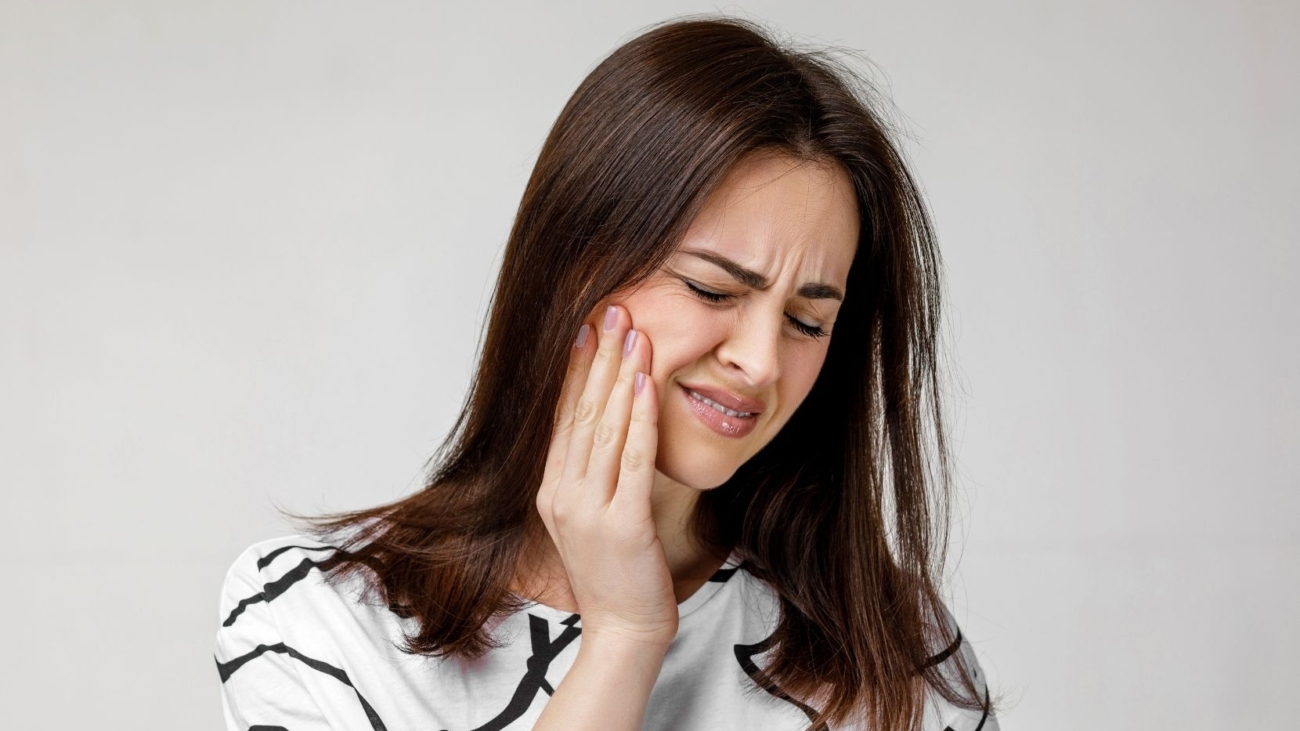
Tooth sensitivity is defined as a sudden and sharp pain in the teeth when hot, cold, sweet or sour foods and drinks are consumed.

There may be many reasons for this condition that negatively affects daily life. So, what causes tooth sensitivity and how does it go away?

Causes of Tooth Sensitivity

  1. Wear of Tooth Enamel
    Tooth enamel is the outermost layer that protects the teeth. Habits such as frequent consumption of acidic foods and beverages, hard brushing or clenching can cause the enamel to wear down over time. This causes the dentin layer underneath to be exposed and cause sensitivity.

  2. Gum Recession
    Gums can recede due to gum disease or incorrect brushing techniques. When the gums recede, the root surface of the tooth is exposed and this area becomes sensitive to hot, cold or sweet foods.

  3. Acidic and Sugary Foods
    Carbonated drinks, citrus fruits, vinegar and sugary foods can weaken tooth enamel. This causes the teeth to be more sensitive to external influences.

  4. Wrong Tooth Brushing Techniques
    Using toothbrushes with very hard bristles or brushing the teeth with excessive pressure can damage the tooth enamel over time. Incorrect techniques can also cause the gums to recede.

  5. Tooth Decay and Cracks
    Tooth decay or cracks can expose areas closer to the nerves. This increases sensitivity.

  6. Tooth Grinding (Bruxism)
    Unwittingly clenching or grinding the teeth at night or during the day can cause the tooth enamel to wear down. This is also a factor that increases sensitivity.

  7. Sensitivity After Dental Treatments
    Temporary sensitivity may be experienced after filling, root canal treatment or bleaching procedures. Such conditions usually resolve within a few days or weeks.

How Does Tooth Sensitivity Pass?

  1. Use Special Toothpastes for Sensitivity
    Toothpastes specially produced for sensitive teeth can help reduce pain by soothing dental nerves.

  2. Adopt the Correct Brushing Technique

  • Use a toothbrush with medium or soft bristles.
  • Brush with circular and gentle movements.
  • Take care to brush without excessive pressure.
  1. Avoid Acidic and Sugary Foods
    You can protect your teeth by avoiding carbonated drinks, citrus fruits and excessive sugar consumption, which erode tooth enamel.

  2. Use Products Containing Fluoride
    Fluoride toothpastes and mouthwashes can reduce sensitivity by strengthening tooth enamel.

  3. Pay Attention to Your Gum Health
    Gum diseases are an important cause of tooth sensitivity. To protect your gum health, you should floss regularly and do not neglect your check-ups with your dentist.

  4. Prevent Tooth Grinding
    If you clench or grind your teeth, you can consult your dentist for preventive measures such as night guards.

  5. Have Regular Dentist Check-ups
    People with tooth sensitivity should visit the dentist regularly and take the necessary measures with early diagnosis.

kahve-ve-cay-tuketiminin-disler-uzerindeki-etkileri

Effects of Coffee and Tea Consumption on Teeth

Effects of Coffee and Tea Consumption on Teeth

Coffee and tea are among the most consumed beverages worldwide. They are often preferred to start the day energetically in the morning, to enjoy during the day or to make conversations warmer.

However, the effects of these drinks on dental health should not be ignored. So, how do coffee and tea affect teeth and what can be done to minimise their possible damage?

Negative Effects of Coffee and Tea on Teeth

    1. Stain Formation on Teeth
      Coffee and tea can cause staining over time by sticking to the tooth enamel due to the pigments called chromogen it contains. Especially when consumed regularly, it can cause teeth to lose their natural whiteness and turn yellow.

    2. Acidic Structure and Enamel Abrasion
      Coffee and tea have a low pH value, i.e. they are acidic drinks. When consumed continuously, they can erode the tooth enamel and cause sensitivity. Thinning of the enamel layer over time can make teeth more vulnerable to external factors.

    3. May Cause Dry Mouth
      The caffeine contained in coffee and tea can cause dehydration in the body. Insufficient saliva production makes it difficult to clean the teeth and may increase the risk of caries by causing bacteria to multiply.

    4. May Increase Tooth Decay
      Sugar or sweeteners added to tea and coffee can increase the risk of caries formation by supporting the formation of bacteria in the mouth. Sugary coffee and tea consumption is one of the important factors that threaten dental health.

Are There Benefits of Coffee and Tea for Teeth?

  1. Can Reduce Bacteria Formation with Polyphenol Content
    Coffee and tea naturally contain polyphenols. These components can contribute to gum health by inhibiting the proliferation of harmful bacteria in the mouth.

  2. Antibacterial Effect of Green Tea
    Especially green tea has antibacterial properties that fight gum diseases thanks to the catechins it contains. When consumed regularly, it can reduce gum inflammation.

Suggestions to Protect Dental Health

  1. Limit Coffee and Tea Consumption
    Consuming more than a few cups of coffee or tea a day can negatively affect your dental health. By reducing the amount, you can minimise the risk of staining and abrasion.

  2. Take Care to Consume Sugar Free
    Adding sugar and sweeteners accelerates the formation of caries. If possible, try to drink your coffee and tea without sugar.

  3. Avoid Hard Brushing
    Brushing the teeth hard immediately after drinking coffee or tea can damage the enamel weakened in the acidic environment. It would be healthier to wait at least 30 minutes before brushing.

  4. Brushing Teeth and Using Dental Floss
    Brushing and flossing at least twice a day helps reduce stains caused by coffee and tea.

  5. Drink Plenty of Water
    You can reduce the acidic effects by rinsing your mouth with water after drinking coffee and tea. In addition, water consumption increases saliva production and creates a protective barrier for teeth.

  6. Going to Regular Dentist Check-ups
    Staining caused by coffee and tea can be removed with professional teeth cleaning. Dentist controls are important for early diagnosis of possible problems.

sabah-mi-gece-mi-disleri-fircalamak-icin-enuygun-zaman

Morning or Night? The Best Time to Brush Your Teeth

Morning or Night? The Best Time to Brush Your Teeth

Brushing your teeth is one of the basic steps in maintaining oral health. However, many people wonder when it is better to brush their teeth. Is it more important to brush your teeth in the morning or at night?

Both time periods have their own advantages and it is necessary to adopt the right habits to maintain the best dental health.

Importance of Morning Toothbrushing

When we wake up in the morning, a bad taste and odour may occur in the mouth. The main reason for this is the decrease in saliva production during the night and the proliferation of bacteria. Brushing your teeth in the morning:

  • Cleans the bacteria accumulated during the night.
  • It helps to freshen breath in the morning and prevent bad breath.
  • Brushing before breakfast prevents bacteria from sticking to the tooth surface.
  • Brushing after breakfast can help protect tooth enamel, especially after acidic foods.

Some experts say that brushing before breakfast protects tooth enamel by eliminating bacteria, while others argue that brushing after breakfast is more effective. Those who prefer brushing after breakfast are recommended to wait for 30 minutes, especially after consuming acidic foods (orange juice, coffee, yoghurt, etc.).

Importance of Night Toothbrushing

Brushing teeth at night is one of the most critical steps in maintaining dental health. Food and drinks consumed during the day cause bacteria to accumulate on the teeth. Night brushing:

  • Cleans plaque and bacteria accumulated on the teeth during the day.
  • It prevents acid production during sleep, which can lead to tooth decay.
  • Provides protection against gum diseases.
  • Helps to reduce bad breath in the morning.

Experts emphasise that brushing at night is at least as important as brushing in the morning, if not more important. If food residues remain in the mouth during the night, bacteria continue to produce acid and this can lead to tooth decay.

Morning or night? Which is more important?

If teeth are to be brushed only once, it is more important to brush at night. There is a greater risk that food consumed during the day will accumulate in the mouth and bacteria will damage the teeth during the night.

However, the ideal method for a healthy mouth is to brush your teeth at least twice a day, morning and night. In addition, additional hygiene steps such as flossing and mouthwash should not be neglected.

Protecting Oral Health with Correct Brushing Techniques

  • A soft bristled toothbrush should be used.
  • Toothpaste should contain fluoride.
  • The toothbrush should be renewed every 2-3 months.
  • Brushing time should be at least 2 minutes.
  • It should be brushed with gentle movements to avoid damaging the gums.
  • Interface cleaning using dental floss should not be neglected.
dis-protezlerinin-bakimi-ve-kullanim-suresi

Care and Use of Dental Prostheses

Care and Use of Dental Prostheses

You can follow our suggestions to discover ways to consume sweets while protecting your dental health. Remember, healthy smiles start with proper nutrition!

You can follow our suggestions to discover ways to consume sweets while protecting your dental health. Remember, healthy smiles start with proper nutrition!

You can follow our suggestions to discover ways to consume sweets while protecting your dental health. Remember, healthy smiles start with proper nutrition!

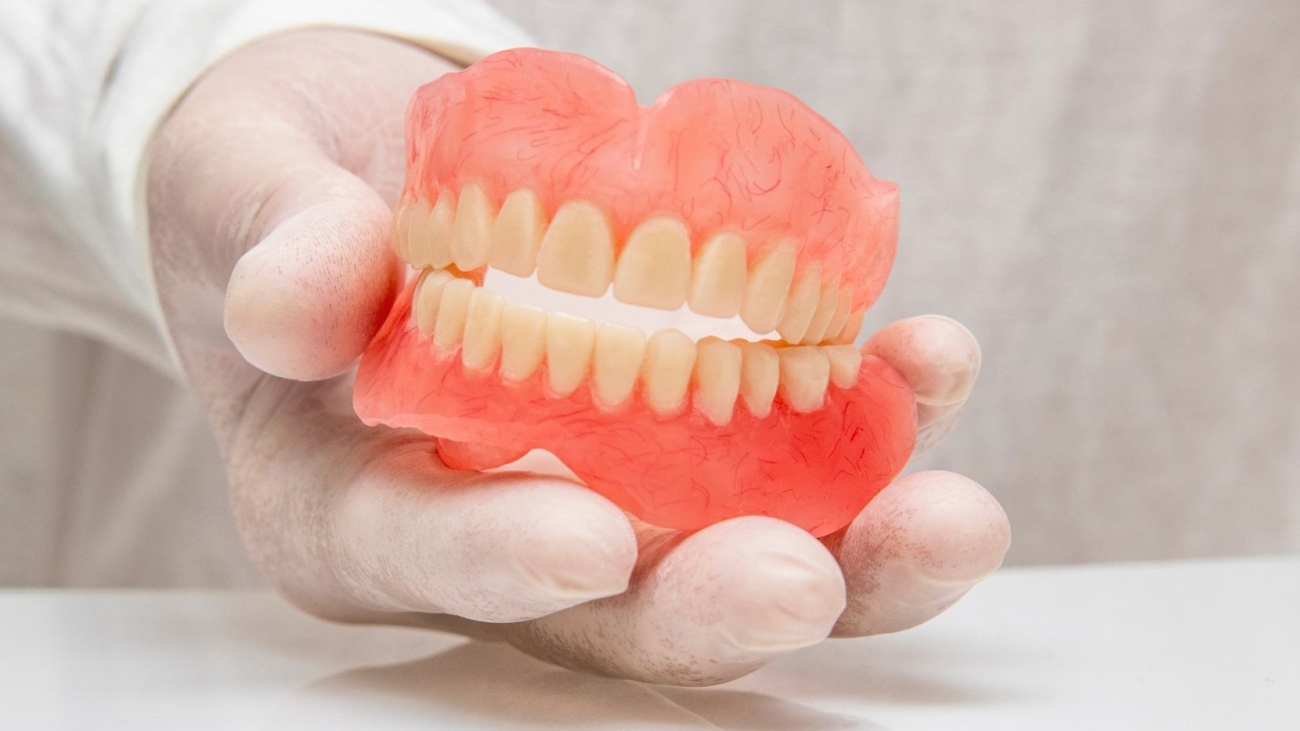
Caring for dentures not only keeps the denture clean, but also protects oral health. Without regular maintenance, bacteria, fungus and plaque accumulation may occur on the denture surface. This can cause bad breath, gum problems and infections.

Denture Care Tips

1. Establish a Daily Cleaning Routine

  • Rinse your dentures with water after each meal to remove food residues.
  • At the end of the day, gently brush your denture to prevent bacteria and plaque build-up. You can use a soft denture brush and denture cleaning solution for this purpose.

2. Choose the Right Cleaning Products

  • Prefer cleaning products specially produced for prostheses.
  • Since toothpastes are usually abrasive, they can damage the denture surface.

3. Soak the prosthesis in water

  • To prevent the dentures from drying out, place them in a bowl of clean water when removed at night.
  • Hot water can damage the structure of the prosthesis; therefore, take care to use lukewarm water.

4. Pay Attention to Oral Hygiene

  • It is also important to clean the mouth and gums during prosthesis use.
  • If you have natural teeth, brush and floss your teeth regularly.

Use Process of Dental Prostheses

1. First Use Process

  • It may take time to get used to the new prosthesis. It is normal to have difficulty speaking and eating in the first few days.
  • You can get used to this process over time by taking small bites and starting with soft foods.

2. Do Not Neglect Regular Checks

  • It is important to check the prostheses at regular intervals in order to maintain their suitability and early detection of possible problems.
  • Your dentist can adjust your denture or recommend a new one if necessary.

3. Wear and Change Process

  • Dentures may wear out over time and may not fit properly due to changes in the oral structure.
  • For this reason, you may need to renew your prostheses between 5-7 years on average.

What Should You Pay Attention To When Using Prosthesis?

  • Avoid hard foods and excessively sticky foods.
  • Never clean your denture with sharp instruments used for cleaning teeth.
  • If you do not clean your prostheses regularly, the risk of infection and inflammation in the tissues under the prosthesis may increase.

6. Gum Reshaping (Gingivoplasty)

This procedure, which is applied in cases where the gums are too visible or asymmetrical, corrects the gum line with laser or surgical methods. Thus, a more balanced and aesthetic smile is obtained.

Recommendations for Healthy and Long-Lasting Use

  • Keep in regular contact with your dentist and make an appointment if you feel any discomfort.
  • Make denture cleaning habits part of your daily routine.
  • You can provide a more comfortable prosthesis use by paying attention to your oral health and general hygiene.

Don’t forget! The maintenance of dental prostheses is not only aesthetic but also critical for your health. Do not neglect to contact your dentist for professional support and detailed information.

tatli-krizleri-ve-dis-sagligi-alternatif-tatli-onerileri

Sweet Crises and Dental Health: Alternative Dessert Suggestions

Care and Use of Dental Prostheses

Sweet crises are a situation experienced by almost everyone. However, excessive sugar consumption can cause serious problems, especially in terms of dental health. Sugar can cause tooth decay and gum diseases by increasing acid production in the mouth.

So, is there a way to protect your dental health while suppressing sweet cravings? Of course there is! In this article, we will explore healthy alternatives that will satisfy your sweet tooth but will not harm your teeth.

Sugar and its effects on dental health

  1. Fruit Desserts

    • Fruits containing natural sugars such as bananas, strawberries, apples and dates are a great choice to meet your sweet need.
    • You can suppress your sweet cravings in a healthier way by adding some cinnamon or cocoa on it.
  2. Yogurt and Honey Mixes

    • You can create a natural dessert by adding a small amount of honey and fruit into the sugar-free yoghurt.
    • Thanks to its probiotic content, it supports the oral flora and helps fight harmful bacteria.
  3. Dark Chocolate

    • Dark chocolate, which is low in sugar and high in cocoa, is an excellent alternative for sweet crises.
    • Thanks to its flavonoids, it can help strengthen tooth enamel.
  4. Dates or Banana with Hazelnut Paste

    • Unsweetened hazelnut or almond paste offers a healthy dessert alternative when consumed with bananas or dates.
    • Since it does not contain refined sugar, the risk of damaging your teeth is low.
  5. Chia Seed Puddings

    • You can prepare a healthy and tooth-friendly dessert by mixing chia seeds with milk or vegetable milk and adding fruit.
    • You can prepare a healthy and tooth-friendly dessert by mixing chia seeds with milk or vegetable milk and adding fruit.
  6. Oatmeal and Sugar Free Cookies

    • Oat-based cookies, sweetened with dates or honey instead of refined sugar, allow you to meet your sweet need without risking dental health.
  7. Homemade Ice Cream

    • You can make a healthy ice cream by mixing it with banana, yoghurt and a little honey and freezing it.
    • Since it does not contain additives and excess sugar, the risk of causing tooth decay is low.

Ways to Protect Your Teeth When Consuming Sweets

  • Do not brush your teeth immediately after consuming sweets. Brushing your teeth in an acidic environment can erode the enamel. Instead, rinse your mouth with water and wait 30 minutes and then brush your teeth.
  • Drink water instead of sugary drinks. Fruit juice and fizzy drinks are harmful for the teeth. Drinking water helps to clean the sugar in the mouth.
  • Chew sugar-free gum. Chewing gums containing xylitol can prevent caries formation by balancing the acid level in the mouth.
  • Visit your dentist regularly. Regular check-ups and professional cleaning should not be neglected to protect your dental health.

Conclusion

Sweet crises may be inevitable, but with the right choices, you can both meet your sweet needs and protect your dental health. It is possible to have a healthy mouth and a happy smile with natural and refined sugar-free dessert alternatives!

You can follow our suggestions to discover ways to consume sweets while protecting your dental health. Remember, healthy smiles start with proper nutrition!

agiz-kurulugu-nedenleri-belirtileri-ve-cozum-onerileri

Dry Mouth: Causes, Symptoms and Solutions

Dry Mouth: Causes, Symptoms and Solutions

Dry mouth is not only unpleasant, but can also have a serious impact on your oral health. Saliva plays an important role in the mouth: It breaks down food, cleans bacteria, protects your teeth and helps digestion.

However, reduced saliva production can cause dry mouth and this can lead to many health problems. So, what are the causes of dry mouth and how can solutions be applied? Here is what you need to know:

Causes of Dry Mouth

  1. Medication
    Many medications, especially antihistamines, depression medications, painkillers and blood pressure medications, can inhibit the functioning of the salivary glands. This can lead to dry mouth. If you take regular medication, it may be helpful to tell your doctor about dry mouth.

  2. Ageing
    Saliva production may decrease as we age. This is generally more common in the elderly and can cause dry mouth.

  3. Dehydration
    Not drinking enough water is one of the simplest but effective causes of dry mouth. Dehydration of the body can adversely affect saliva production.

  4. Mouth breathing
    Mouth breathing due to nasal congestion or allergies can lead to dry mouth. Mouth breathing, especially during sleep, can reduce saliva production.

  5. Cancer Treatment (Chemotherapy and Radiotherapy)
    Drugs and radiation used during cancer treatments can affect the salivary glands, which can cause dry mouth.

Symptoms of Dry Mouth

  • Sensation of Dryness in the Mouth: The most common symptom is a constant feeling of dryness in the mouth.
  • Difficulty speaking and swallowing: Without enough saliva, you may have difficulty speaking or eating.
  • A Sticky Mouth Feeling: A sticky feeling may occur when chewing food or moving your mouth.
  • Bad Mouth Odour: Saliva cleans the bacteria in the mouth. As saliva production decreases, bad odour may occur in the mouth.
  • Bleeding gums and tooth decay: Insufficient saliva can lead to plaque accumulation on the teeth, which can lead to gum disease and cavities.

Solution Suggestions for Dry Mouth

  1. Drink plenty of water
    The simplest solution is to drink enough water. Drinking at least 8 glasses of water a day can increase saliva production.

  2. Chewing Sugar-Free Gum
    Sugar-free chewing gums can stimulate saliva production. Also, chewing gum keeps the mouth moist and can relieve dryness.

  3. Gargling with Salt Water
    Salt water helps to clean bacteria in the mouth and can relieve dryness. You can try gargling several times a day.

  4. Applying Steam
    Increasing the humidity of the environment by using humidifiers can support saliva production, especially in dry weather. In addition, taking a hot shower can also help steam to relieve dry mouth.

  5. Special Products for Dry Mouth
    Sprays, mouthwashes and gel products specially formulated for dry mouth are available on the market. These products can maintain the moisture balance in the mouth.

  6. Dentist and Doctor Check-ups
    If dry mouth persists, it is helpful to see a dentist or doctor. Your dentist can detect secondary problems such as gum disease due to dryness and offer treatment recommendations.