gulusunuzu-yenilemek-estetik-dis-hekimliginde-one-cikan-uygulamalar

Renewing Your Smile: Featured Applications in Aesthetic Dentistry

Renewing Your Smile: Featured Applications in Aesthetic Dentistry

Smile is one of the most important elements that directly affect a person’s self-confidence and social relations. Aesthetic dentistry is an approach that meets not only oral health but also your aesthetic expectations.

With the advancement of technology, the methods used in smile design offer more effective and natural results. So, what are the prominent applications in aesthetic dentistry?

1. Lamina Veneers (Veneers)

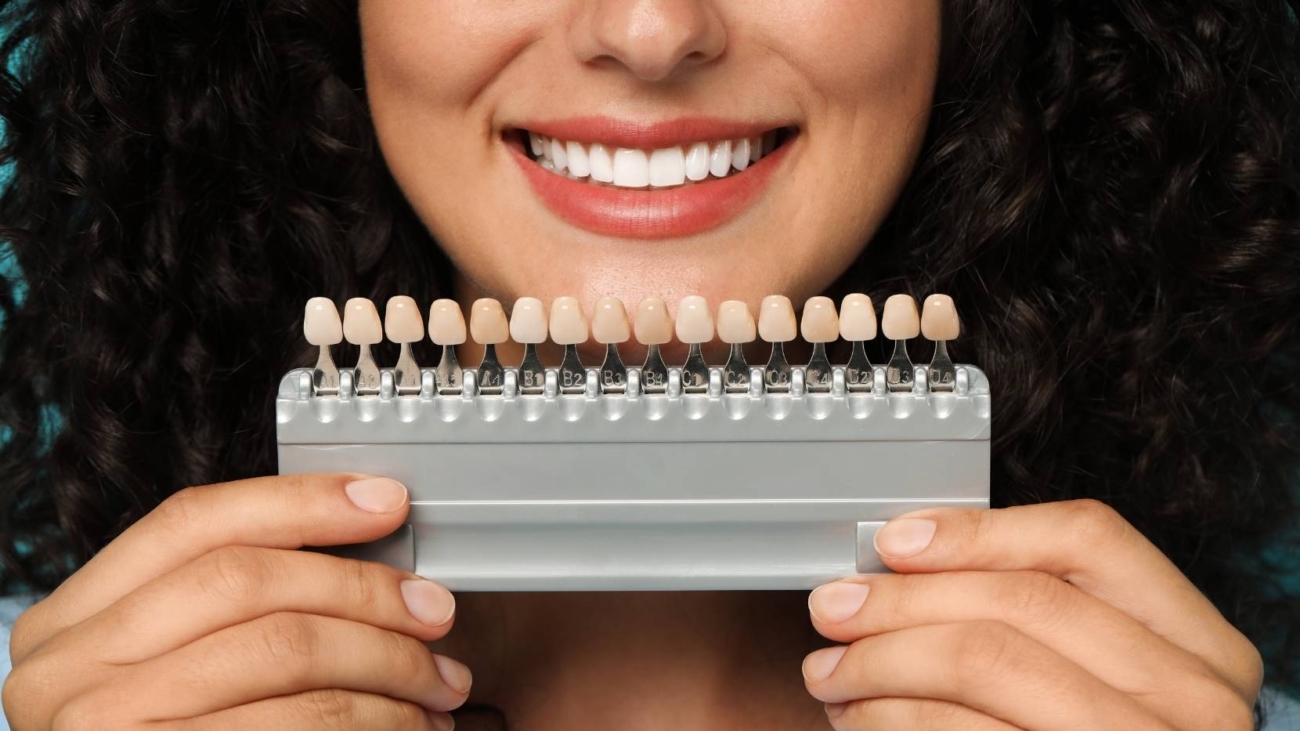
Lamina veneers are made by bonding thin porcelain or composite material to the front surface of the teeth. This method is an effective solution for the correction of discolouration, crowding and small fractures. Thanks to their natural appearance and long-lasting structure, they are indispensable in aesthetic dentistry.

2. Teeth Whitening (Bleaching)

Yellowing and discolouration of teeth over time can negatively affect smile aesthetics. Teeth whitening can be applied with professional clinical methods or home kits. Thanks to whitening, the teeth get a few tones lighter colour and a healthier appearance is achieved.

3. Bonding Applications

Bonding is a fast and economical method used to solve minor aesthetic problems on the tooth surface. The surface of the tooth is shaped with composite material and an appearance that harmonises with the natural tooth texture is given. It is ideal for cracks, fractures or spaced teeth.

4. Zirconium Veneers

Offering a more aesthetic appearance, zirconium veneers have the closest colour and light transmittance to natural teeth. Zirconium, which is much more natural and durable than metal-supported coatings, is especially preferred for front teeth.

5. Smile Design

Smile design is a comprehensive process planned according to the person’s face shape, tooth structure and aesthetic expectations. A personal smile is designed by taking into account many factors such as tooth colour, symmetry of the gums and the size of the teeth.

6. Gum Reshaping (Gingivoplasty)

This procedure, which is applied in cases where the gums are too visible or asymmetrical, corrects the gum line with laser or surgical methods. Thus, a more balanced and aesthetic smile is obtained.

7. Orthodontic Treatment with Transparent Plates (Invisalign)

It is now possible to correct crowding without wearing braces! Treatment with transparent aligners is both a comfortable and aesthetic option. Improvements in teeth are achieved gradually and are almost unnoticeable in daily life.

Renew Your Smile with Aesthetic Dentistry

Aesthetic dentistry applications not only help you to have a more beautiful smile, but also to increase your self-confidence. It is important to have a detailed examination with a dentist to determine the most suitable method for you. Remember, a healthy smile brings more happiness and confidence to your life.

dil-temizligi-ve-agiz-sagligina-etkisi

Tongue Cleaning and Its Effect on Oral Health

Tongue Cleaning and Its Effect on Oral Health

Although oral hygiene is usually limited to teeth cleaning, tongue cleaning is as important as dental care in terms of oral health. The tongue is a surface where bacteria and toxins accumulate, and when it is not cleaned daily, it can cause many problems from bad breath to tooth decay.

In this article, we will explain the importance of tongue cleaning, what benefits it provides and how you can create a routine for a healthy mouth.

Why is Tongue Cleaning Important?

The tongue is an organ that contains a rough structure and allows bacteria to accumulate easily. Remains of the food we eat, dead cells and bacteria can stick to the surface of the tongue and cause bad breath and health problems. Making tongue cleaning a habit helps to eliminate these accumulations and maintain oral hygiene.

Benefits of Tongue Cleaning for Oral Health

  1. Reduces Bad Mouth Odour: One of the main causes of bad breath is bacteria accumulated on the tongue. Tongue cleaning removes these bacteria and allows you to have a fresher breath.

  2. Improves the Sense of Taste: Tongue cleaning helps to clean the residues in the taste buds and stimulates the sense of taste. In this way, you can better perceive the natural flavour of food.

  3. Supports Oral Health: Bacteria accumulated on the tongue can spread to the gums and tooth surface. Tongue cleaning supports the protection of teeth and gums and reduces the risk of caries.

  4. Supports the Immune System: Our mouth is a gateway to the body. Tongue cleaning contributes to the immune system by preventing toxins and harmful bacteria from spreading to the body.

How should tongue cleaning be done?

Tongue cleaning should be added to your toothbrushing routine every morning and evening. Here are the correct tongue cleaning steps:

  1. Use of Tongue Cleaner or Brush: Tongue cleaners provide effective cleaning without damaging the tongue surface. Alternatively, a soft bristled toothbrush can also be used.

  2. Gently Clean: Slide the tongue cleaner with gentle movements from the root of the tongue to the tip. Repeat the process several times to remove plaque accumulated on the surface.

  3. Support with Mouthwash: After cleansing, disinfect the inside of the mouth using a mouthwash with anti-bacterial properties. This helps to destroy any remaining bacteria on the tongue.

  4. Repeat Regularly: For best results, perform tongue cleaning regularly every day.

dis-cekimi-sonrasi-hizli-iyilesme-ipuclari

Tips for Fast Recovery After Tooth Extraction

Tips for Fast Recovery After Tooth Extraction

Tooth extraction can be a stressful experience for many people. However, the healing process after extraction can be accelerated with some important steps to be considered.

Let’s take a look at the steps to be taken after tooth extraction to promote tissue healing, reduce the risk of infection and minimise possible discomfort.

First Day After Tooth Extraction: The Most Critical Time

After tooth extraction, the first 24 hours are critical for the healing process. Some basic things to do or not to do during this period are as follows:

  1. Gauze for Controlling Bleeding: Help stop the bleeding by biting the gauze placed by your dentist after tooth extraction for about 30-45 minutes. This accelerates clot formation.

  2. Rest: Avoid heavy physical activity for the first 24 hours and rest as much as possible. The body will focus its energy on healing during this time.

  3. Ice Application: Apply ice to the relevant side of your face from the outside to prevent swelling. You can hold the ice pack for 10-15 minutes each time and then apply it with a 10 minute break.

  4. Careful Nutrition: Consume liquid and soft foods on the first day. Foods such as warm soup, yoghurt, smoothies can be preferred. Avoid extremely hot or cold foods.

Things to do after tooth extraction

  1. Pay attention to oral hygiene: After the first 24 hours, you can rinse your mouth carefully. Gargling with salt water helps healing and reduces the risk of infection.

  2. Tooth Brushing: Brush your teeth outside the extraction area as normal. However, avoid touching the extraction area while brushing your teeth.

  3. Drink plenty of water: Adequate water consumption accelerates the healing process. Since dehydration can delay recovery, take care not to get dehydrated.

  4. Avoid smoking and alcohol consumption: Smoking and alcohol can disrupt blood circulation, causing the clot to break down and slow healing. Try to stay away for at least 72 hours.

  5. Painkillers: You can alleviate pain and discomfort by using the painkillers recommended by your dentist at the recommended dose and intervals.

Extra Tips for Fast Recovery

  • Careful sleeping position: Sleep with your head elevated for the first few days. This regulates blood flow and helps reduce swelling.
  • Careful Food Selection: Avoid hard, sticky and crusty foods. Such foods may damage the tissue or get into the filming area.
  • Avoid Tongue and Finger Contact: Do not touch the extraction site with tongue or fingers. This may increase the risk of infection and delay healing.
sut-dislerinin-onemi-1

Importance of Milk Teeth: Healthy Dental Development for Children

Importance of Milk Teeth: Healthy Dental Development for Children

Milk teeth are of great importance for children’s oral health and general development. Milk teeth, which are generally ignored with the thought that ‘they will be replaced anyway’, actually form the basis for the child to have healthy and proper teeth in later ages.

So, what exactly is the importance of milk teeth and what should be considered for healthy tooth development?

What is the Importance of Milk Teeth?

  1. Prepares a place for permanent teeth: Deciduous teeth provide space for the correct placement of permanent teeth coming from below. Early loss of deciduous teeth may cause permanent teeth to erupt irregularly or in the wrong position.

  2. Supports Speech Development: Milk teeth play a major role in children’s speech development. Milk teeth help to extract some letters correctly, and in their absence, children’s language development may be adversely affected.

  3. Contributes to Chewing Function: Milk teeth provide correct and easy chewing of food. This is important for the child to have a healthy digestive system and supports body development.

  4. Self-confidence and Social Development: When milk teeth are healthy, children’s smile looks healthy. Children with oral and dental health problems are more likely to have shyness and low self-confidence.

Ways to Protect the Health of Milk Teeth

  1. Early Oral Care: Starting from infancy, it is important to give importance to oral hygiene even before the teeth erupt. When the teeth begin to erupt, cleaning should be done with a soft baby toothbrush and an appropriate amount of toothpaste.

  2. Regular Tooth Brushing Habit: It should be ensured that children brush their teeth twice a day from the age of 2. If the habit of brushing teeth is acquired at an early age, children will continue this habit in the following years.

  3. Healthy Nutrition: Sugary foods and drinks can damage children’s teeth. Especially carbohydrate-based foods and sugar can cause tooth decay, so a balanced diet should be provided.

  4. Regular Dental Check-ups: Children should start visiting the dentist from the age of 1 year. These checks are important for the detection and treatment of early dental problems.

  5. Avoiding Wrong Habits: Habits such as finger sucking and nail biting can cause deterioration of tooth structure and jaw development. Prevention of these habits is important for dental health.

Why should milk teeth not be extracted early?

Early loss of milk teeth can have negative effects on children’s dental health. This can lead to improper positioning of the permanent teeth, increasing the need for orthodontic treatment in the future. Therefore, it is important to preserve the deciduous teeth as healthy as possible.

implant-ve-kopru-arasindaki-farklar-1

Differences Between Implant and Bridge: Which one is more suitable for you?

Differences Between Implant and Bridge: Which one is more suitable for you?

Tooth loss is an important problem both aesthetically and functionally, and it is of great importance to replace missing teeth for a healthy smile. Implant and bridge methods, which are widely used in dental treatment, are among the most popular options to eliminate this deficiency.

However, in order to decide which one is more suitable for you, it is important to examine the advantages and disadvantages of both options and for whom they are suitable.

What is an Implant?

Dental implants are root-like structures made of titanium that replace missing teeth and are placed in the jawbone. A crown made of durable materials such as porcelain or zirconium is placed on the implant so that it looks and functions like a natural tooth. The outstanding advantages of implants are:

  • Natural Look and Feel: Dental implants look and feel like natural teeth. It also offers a long-lasting solution.
  • Protects the Jaw Bone: The implant prevents bone loss by stimulating the jawbone where it is placed. Other options do not have this effect.
  • No Damage to Neighbouring Teeth: As with a bridge, the side teeth do not need to be shaped, so that the neighbouring teeth remain healthy.

Disadvantages of an implant

  • Long Treatment Process: The implant process takes time. It may usually take several months to adapt to the jawbone.
  • High Cost: Implants are more costly than bridges.
  • Surgical Intervention Required: Since implant placement is a surgical procedure, there are healing process and surgical risks.

What is Dental Bridge?

Dental bridges are prostheses that are fixed by attaching to the natural teeth next to the missing teeth. Since it is a structure that covers two or more teeth, it fills the gap where the missing teeth are located. The main advantages of dental bridges are:

  • Treatment in a Shorter Time: It can be completed in a shorter time than implants.
  • More Affordable: It is generally more cost-effective than implants.
  • Less Recovery Time: Since it does not require surgical procedure, the healing process is shorter and more comfortable.

Disadvantages of the Bridge

  • Intervention on neighbouring teeth: When building a bridge, the neighbouring healthy teeth have to be shaped, which can lead to unnecessary weakening of the healthy teeth.
  • No Bone Protection Feature: Since it does not directly contact the jawbone like an implant, it does not stimulate the bone.
  • Less Durability: Bridges may have a shorter lifespan compared to implants.

Which one is more suitable for you?

There are several important factors to consider when choosing a dental treatment:

  • General Health Status: Dental implant requires a healthy jawbone and appropriate bone structure. Individuals with conditions such as diabetes or osteoporosis may not be implanted.
  • Budget: Implant treatment can be more costly than a bridge, so your budget may affect this choice.
  • Aesthetic Preferences: Since the implant offers the closest solution to the natural tooth, it can be preferred by individuals with high aesthetic concerns.
  • Needs and Expectations: An implant offers a longer lasting solution, while a bridge is a faster solution. You can choose according to your expectations.
dis-eti-kanamasi-sebepleri-ve-tedavi-secenekleri

Bleeding Gums: Causes and Treatment Options

Bleeding Gums: Causes and Treatment Options

Bleeding gums is a common oral health problem that many people encounter from time to time. When you notice bleeding while brushing or flossing, it can often be a sign of gum disease.

However, gum bleeding can also have different causes and can lead to serious consequences if not intervened in time. So, why does bleeding gums occur and how is it treated?

Common Causes of Bleeding Gums

  1. Gum Diseases (Gingivitis and Periodontitis) Gum diseases are the most common cause of bleeding gums. Gingivitis is an inflammation of the gums and occurs as a result of plaque accumulation. If left untreated, it can develop into a more serious disease called periodontitis. In this case, the bone structure between the gums and teeth begins to be damaged.

  2. Incorrect Tooth Brushing Techniques Brushing too hard or flossing with incorrect techniques can cause damage and bleeding of the gums. Using soft-bristled toothbrushes and gentle brushing can prevent such bleeding.

  3. Vitamin Deficiencies Especially vitamin C and K deficiencies can negatively affect the health of the gums. Vitamin C deficiency causes the gums to weaken, while vitamin K deficiency can reduce the blood clotting ability and increase the risk of bleeding.

  4. Hormonal Changes Hormonal changes such as pregnancy, menopause or use of birth control pills can increase gum sensitivity. This can increase the likelihood of bleeding gums.

  5. Diabetes Oral and dental health problems are more common in diabetic patients. High blood sugar levels can cause inflammation and infection of the gums.

  6. Smoking Smoking damages gum tissues, weakens blood circulation and increases the risk of gum diseases. Bleeding gums are more common in smokers as a symptom of gum diseases.

Treatment Options for Bleeding Gums

If you are experiencing bleeding gums, there are different treatment options available to solve this problem. However, it is important to consult your dentist to determine the right treatment method.

  1. Brush your teeth at least twice a day using a soft-bristled toothbrush. Do not neglect flossing, but do it gently. This prevents plaque build-up and maintains the health of the gums.

  2. Regular Dentist Visits Regular dental check-ups every 6 months are very important for the early detection and treatment of gum diseases. Professional care services, such as scaling, help you maintain your gum health.

  3. Healthy Nutrition and Vitamin Supplements Consuming foods rich in vitamin C and K positively affects your gum health. Foods such as lemon, orange, broccoli are rich sources of vitamin C.

  4. Quit Smoking and Alcohol Smoking and alcohol have serious negative effects on gum health. Quitting these habits is an important step for both your general health and your gum health.

  5. Antibiotic Treatment In cases of gum infection, your dentist may prescribe antibiotics. Antibiotic treatment can reduce bleeding gums by preventing the spread of infection.

  6. Periodontal Treatments Periodontal treatments are necessary for patients with advanced gum disease. These treatments are performed to protect the gums and bone tissues and prevent the spread of the disease.

Conclusion

Bleeding gums is an oral health problem that should not be neglected. Determining the underlying cause of bleeding and creating an appropriate treatment plan is vital to protect your gum health. Regular visits to the dentist, proper dental care habits and a healthy lifestyle are the most effective ways to prevent bleeding gums.

Keywords: bleeding gums, gingival bleeding, gum diseases, gingivitis, periodontitis, tooth brushing techniques, vitamin deficiency, oral health, gum treatment

dis-curugu-ve-asitli-icecekler

Tooth Decay and Acidic Drinks

Tooth Decay and Acidic Drinks

Tooth decay is one of the most common dental problems in the world. Most people unknowingly put their dental health at risk due to harmful habits such as acidic drinks.

So, what effect do acidic drinks have on teeth and how do they trigger tooth decay?

Acidic Drinks and Dental Health

Acidic drinks can cause serious damage to tooth enamel with their high sugar and acidic components. Erosion of tooth enamel can lead to tooth decay and sensitivity. Especially fizzy drinks, energy drinks and fruit juices are among the biggest culprits in this regard.

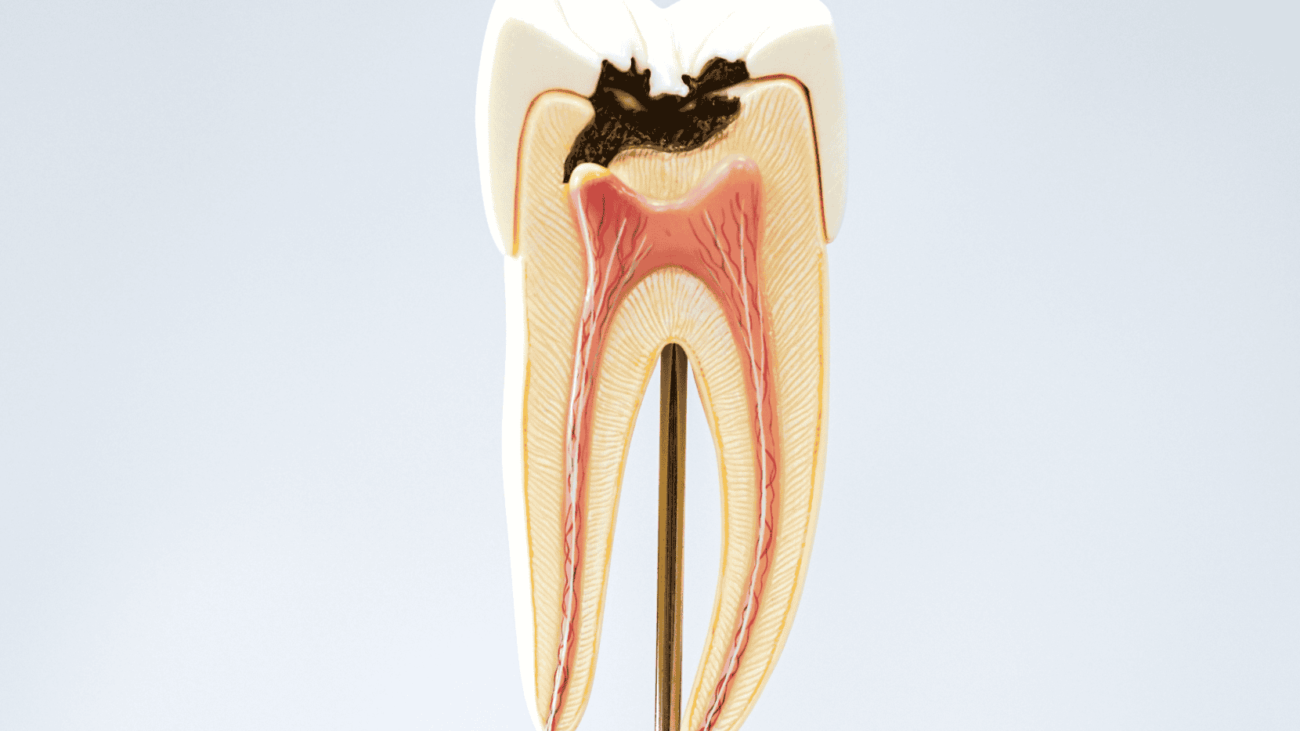
The effect of acid on teeth: Acidic drinks weaken tooth enamel and thin the protective layer. This leads to easier penetration of bacteria and caries formation. Continuous consumption of acidic drinks irreversibly wears down the tooth enamel.

The Role of Sugar: Sugar reacts with bacteria in the mouth and increases acid production. This accelerates tooth decay. Especially carbonated drinks adversely affect dental health with their high sugar content.

Ways to Prevent Tooth Decay

There are some simple but effective measures that can be taken to minimise the negative effects of acidic drinks on dental health:

  1. Prefer to Drink Water: Consuming water instead of acidic drinks is much more beneficial for oral health. Water cleans your mouth and prevents the growth of bacteria.

  2. Mouthwash after drinking: It is better to rinse your mouth with water instead of brushing your teeth immediately after consuming acidic drinks. Because tooth enamel may be weakened by acid and brushing may cause more damage.

  3. Tooth Brushing Habit: Brushing your teeth at least twice a day with the right techniques is one of the most effective methods against tooth decay.

  4. Use Dental Floss: The use of dental floss to clean the food residues accumulated between the teeth helps prevent the formation of caries.

  5. Dentist Visits: Regular visits to the dentist are important for early diagnosis and treatment of possible dental problems.

agiz-sagligi-ve-stres

Oral Health and Stress

Oral Health and Stress

The busy pace of daily life, personal and professional responsibilities, financial difficulties or relationships can cause stress to enter our lives from time to time.

However, it is well known that stress negatively affects not only our mental health but also our physical health. One of these negative effects is oral and dental health. There is a strong relationship between our oral health and stress and this relationship should not be ignored.

Effects of Stress on Oral Health

  • Tooth Grinding (Bruxism)

    • One of the most common effects of stress on oral health is bruxism, that is, teeth grinding. When you clench your teeth without realising it, especially at night, the tooth enamel wears down and the jaw muscles get tired. This can lead to hypersensitivity of the teeth, headaches and problems with the jaw joint. Long-term teeth grinding can cause serious problems up to tooth fractures and jaw slippage.
  • Gum Diseases (Periodontal Diseases)

    • Stress weakens the immune system, reducing our defences against bacteria in the mouth. This can increase the risk of infection in the gums and lead to gingivitis (gingivitis). If left untreated, gingivitis can develop into more serious gum diseases such as periodontitis, which can lead to tooth loss.
  • Dry Mouth

    • Stress can lead to hormonal changes in the body, which can reduce saliva production. Saliva is extremely important for oral health because it cleans the mouth of food residues and provides natural protection against bacteria. Dry mouth can predispose to tooth decay and oral infections.
  • Aphthae and Mouth Sores

    • During stressful periods, many people complain of small mouth sores called canker sores. These sores are usually harmless but can be quite uncomfortable. Stress weakens the immune system in the body, increasing the risk of such sores.
  • Poor Oral Hygiene

    • People under intense stress can often neglect their oral care. Disruptions in tooth brushing and flossing, neglect of regular dentist checks, etc. can cause serious problems in dental health in the long term.

Ways to Cope with Stress and Tips for Oral Health

Although it is not possible to completely eliminate stress from our lives, some steps can be taken to reduce the negative effects of stress on oral health:

  1. Regular Oral Care

    • Even if you are stressed, it is very important to pay due attention to your dental health. Brushing and flossing at least twice a day can help prevent gum disease and tooth decay.
  2. Relaxation Techniques

    • Relaxation techniques such as meditation, yoga and breathing exercises can reduce your stress levels and prevent stress-related problems such as bruxism.
  3. Tooth Grinding Preventive Measures

    • If you grind your teeth at night, you may want to consider getting night trays from your dentist. These aligners minimise the damage of bruxism by protecting your teeth and jaw muscles.
  4. Regular Dental Check-ups

    • Regular dental check-ups are one of the best ways to control the effects of stress on your oral health. Your dentist can recognise early signs and take preventive measures.
  5. Drink Plenty of Water

    • Take care to drink enough water during the day to prevent dry mouth caused by stress. By increasing your saliva production, you can help clean the bacteria in the mouth.
dis-sagliginda-alternatif-tip-bitkisel-tedavilerin-rolu

Alternative Medicine in Dental Health: The Role of Herbal Treatments

Alternative Medicine in Dental Health: The Role of Herbal Treatments

In recent years, alternative medicine and herbal treatments have become popular in dental health, as in many areas of general health. Herbal treatments can play a supportive role in protecting and improving oral health with natural methods.

However, it is important to remember that these treatments should be used in conjunction with modern dentistry. Herbal remedies can be an important supportive element in maintaining your dental health. In this article, we will explore the role and benefits of herbal treatments in dental health.

The Effect of Herbal Treatments on Dental Health

  • Clove Oil Natural Pain Relief

    • Clove oil is traditionally used to relieve toothaches. The compound eugenol in cloves has antiseptic and anesthetic properties. Applying clove oil to the sore area can provide temporary relief. However, it should be remembered that this is only a temporary solution and it is necessary to consult a dentist.
  • Aloe Vera: A Natural Support for Gum Health

    • Aloe vera can help relieve gingivitis thanks to its anti-inflammatory properties. You can support gum health by gently massaging the gums or using mouthwashes containing aloe vera. In addition, aloe vera protects against gum disease by fighting bacteria.
  • Green Tea: Antibacterial Power

    • The catechins contained in green tea can help prevent tooth decay by fighting against harmful bacteria in the mouth. It also supports oral health in general thanks to its antioxidant properties. Daily consumption of green tea can reduce the risk of gum diseases and leaves a fresh feeling in the mouth.
  • Tea Tree Oil: Antiseptic Protection

    • Tea tree oil can help prevent gum infections as it is a powerful antiseptic. However, it is recommended not to apply this oil directly to the mouth in its pure form, but to use it diluted with water. Tea tree oil mouthwashes can help maintain oral health by reducing the risk of infection.
  • Sage: A Natural Remedy for Bad Breath and Bacteria

    • Sage is an effective herb against bad breath. Thanks to its antibacterial properties, it removes bad odors in the mouth and supports gum health. Mouthwashes made with sage can help keep bacteria in the mouth under control.
  • Mint Freshness and Cleansing

    • Peppermint is known for its deodorizing and refreshing effect. Peppermint oil can be effective against bacteria in the mouth and provides a fresh feeling in the mouth. Chewing mint leaves can also help reduce the number of bacteria in the mouth.
  • Myrrh: Protective Against Gum Inflammation

    • Myrrh has been used against gum problems since ancient times. Myrrh, which has a soothing and healing effect on gingivitis, is another natural solution that supports oral health.

Benefits and Limitations of Herbal Treatments

While herbal treatments play a role in supporting dental health, they can be more effective when used in conjunction with modern dentistry. While natural remedies can provide short-term relief, professional treatment by a specialist is necessary for tooth decay, gum disease or other serious oral health problems.

  • Benefits:

    • Natural ingredients without chemical side effects.
    • Supports oral health and provides freshness.
    • It can reduce the risk of infection as it has antiseptic and antibacterial properties.
  • Limitations:

    • Herbal treatments alone are not enough for serious dental health problems.
    • Improper use can damage oral tissues.
    • It does not offer permanent solutions, only temporary relief.
dis-curugu-ve-genetik-faktorler

Dental Caries and Genetic Factors: The Role of Family History

Dental Caries and Genetic Factors: The Role of Family History

Tooth decay is a common dental health problem worldwide, causing mineral loss from the teeth, leading to decay. Although the influence of genetic factors on tooth decay is often overlooked, it is important to understand how these factors can affect oral health.

In this blog post, we will examine the relationship between tooth decay and genetic factors and discuss the effects of family history on dental health.

Genetic Factors and Tooth Decay

  1. Quality of Tooth Enamel:

    • The quality of tooth enamel can affect resistance to tooth decay. Genetically, some individuals may have harder and stronger enamel, while others may have weaker enamel. Weaker enamel may be less resistant to acidic foods and bacteria.
  2. Saliva Characteristics:

    • Saliva plays a critical role in cleaning teeth and preventing cavities. Genetic factors can affect the pH levels and minerals in saliva. Lower pH levels can cause acidic environments to damage tooth enamel.
  3. Genetic Predisposition Increasing the Risk of Tooth Decay:

    • Individuals with a family history of tooth decay may be more likely to have the same problem due to genetic predisposition. Genetic factors that increase susceptibility to tooth decay may affect the dental health of individuals.
  4. Bacterial Flora:

    • The bacterial flora in the mouth can affect the risk of tooth decay. Genetically, some individuals may have a higher tendency towards bacteria that cause tooth decay. The oral bacteria of family members can affect a person’s oral health.

Effects of Genetic Factors on Tooth Decay Prevention

  1. Genetic Tests and Screening:

    • Genetic tests can help assess the risk of tooth decay in individuals. Using family history and genetic tests, personal oral health plans can be created.
  2. Personalised Dental Health Programmes:

    • Personalised dental care programmes based on genetic factors can minimise risks. For example, special products or treatment methods may be recommended for weaker tooth enamel or the effects of different bacterial flora.
  3. Balanced Nutrition and Regular Dental Care:

    • Regardless of genetic factors, a balanced diet and regular dental care play an important role in preventing tooth decay. Limiting sugary foods, the use of fluoride products and regular visits to the dentist can be effective against genetic predisposition.