dis-rontgenleri-cesitleri-ve-neden-onemli

Dental X-rays: Types and Why Are They Important?

Dental X-rays: Types and Why Are They Important?

Dental X-rays are one of the most important tools for dentists to protect dental health and apply the right treatment methods.

Dental X-rays play a critical role in detecting and monitoring oral and dental health problems. In this article, we will examine the types of dental x-rays and why they are so important.

Types of Dental X-rays

Dental X-rays have several types that are used for different purposes. Here are the most common types of dental x-rays:

  1. Periapical X-ray

    • This type of X-ray shows the whole of a single tooth and the surrounding bone. It is used to examine tooth root and bone structure. Problems such as infections and cysts in tooth roots can be detected with periapical x-rays.
  2. Bitewing Röntgen:

    • Bitewing X-rays show the crowns of the upper and lower teeth and the points of contact between them. These x-rays are often used to detect tooth decay and gaps between teeth. It can also reveal early signs of gum disease.
  3. Panoramic X-ray

    • A panoramic x-ray shows the entire jaw structure and teeth in a single image. This type of X-ray is used to detect impacted teeth, jaw fractures, tumors and other large-scale problems. It also plays an important role in orthodontic treatment planning.
  4. Cephalometric X-ray:

    • A cephalometric X-ray gives a side view of the skull. This type of X-ray is often used in orthodontic treatment planning and analyzes the position and relationship of the jaw and teeth.
  5. 3D Cone Beam Computed Tomography (CBCT):

    • CBCT is an advanced type of X-ray that provides three-dimensional images. It provides detailed images for dental implants, complicated tooth extractions and other surgical procedures. It is also used to examine bone density and structure.

Importance of Dental X-rays

Dental X-rays are of great importance in dental practice for many reasons:

  1. Early Diagnosis:

    • Dental X-rays provide early detection of problems such as tooth decay, gum disease, cysts, tumors and infections. Early diagnosis makes treatment more effective and successful.
  2. Treatment Planning:

    • X-rays help dentists to create accurate treatment plans. It provides detailed information for orthodontic treatment, tooth extraction, dental implant placement and other surgical procedures.
  3. Monitoring Issues:

    • After treatment, dental X-rays are used to monitor the healing process. X-rays are important to check if the treatment is effective and if any complications have arisen.
  4. Detection of Impacted Teeth:

    • Panoramic and CBCT x-rays are used to determine the position of impacted teeth and their surrounding structures. This knowledge reduces the risk of complications during surgical procedures.
  5. Analysis of Jaw and Facial Structure:

    • Cephalometric X-rays allow the jaw and facial structure to be analyzed. These X-rays play an important role in orthodontic treatment planning and jaw surgery.

Advantages of Nanotechnology

The use of nanotechnology in dentistry offers many advantages:

  • High Sensitivity: Nanotechnology enables treatments to be more precise and targeted.
  • Fewer Side Effects: Nanotechnological treatments cause less damage to surrounding tissues.
  • Faster Healing: Nanomaterials can speed up the healing process.
  • Long Lasting Results: Treatments made with nanotechnology can be more durable and long-lasting.

Dental Treatments of the Future

Nanotechnology will become much more common in dentistry in the future, enabling the development of many new treatment methods. In the future, personalized treatments, smart dental devices and advanced biomimetic materials will make dentistry more effective and efficient.

dis-beyazlatma-sonrasi-bakim

Care After Teeth Whitening

Care After Teeth Whitening

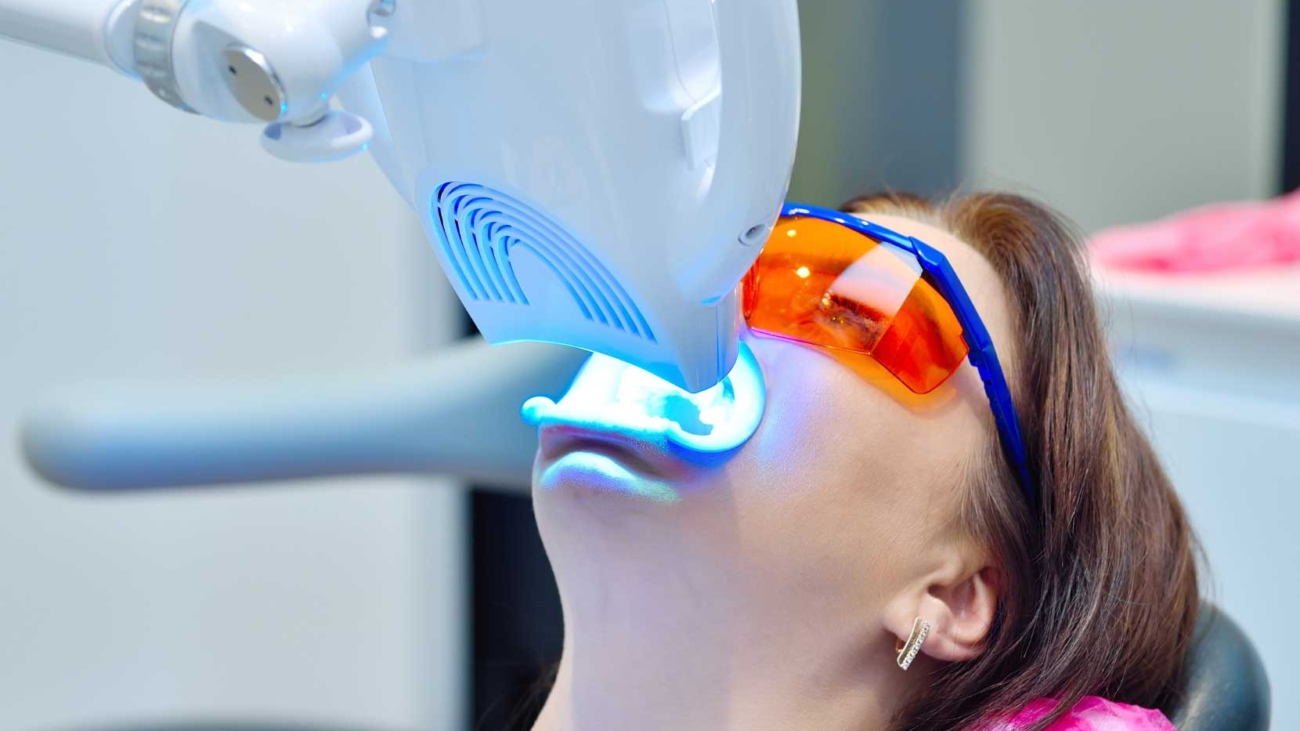
A snow-white, bright smile is everyone’s dream. Teeth whitening is a great option to make this dream a reality. However, it is necessary to follow some important care steps to maintain your white smile for a long time after teeth whitening.

In this article, we will explain the points you should pay attention to after teeth whitening and how you can maintain your white smile.

First 48 Hours After Teeth Whitening

1. Avoid Coloured Foods: Your teeth become more porous after whitening and can absorb coloured foods more easily. Avoid coloured foods such as coffee, tea, red wine, chocolate, ketchup, soy sauce.

2. Avoid Smoking and Tobacco Products: Smoking and other tobacco products can quickly stain your teeth. 2. Avoid Smoking and Tobacco Products: Smoking and other tobacco products can quickly stain your teeth.

3. Avoid Acidic and Carbonated Drinks: Acidic drinks can damage tooth enamel and reduce the effect of the whitening process. Avoid fizzy drinks, energy drinks and fruit juices.

Daily Care for Long-Term Whiteness

For long-term whiteness after teeth whitening, you should carefully follow your daily care routine. Here are some tips:

1. Regular Brushing and Flossing: Brush your teeth with fluoride toothpaste at least twice a day and floss between your teeth every day. This helps keep your teeth white by preventing plaque formation.

2. Whitening Toothpastes: After teeth whitening, you can maintain your whiteness by using toothpastes with whitening properties. However, avoid excessive use of these products, as their abrasive properties can damage tooth enamel.

3. Regular Dentist Check-ups: Keep track of your dental health by having regular check-ups with your dentist. Professional cleanings keep your teeth white by removing stains.

1. Değerlendirme ve Planlama: İlk aşamada diş hekiminiz genel sağlık durumunuzu, ağız ve çene yapınızı değerlendirir. İmplant için uygun olup olmadığınızı belirlemek için röntgen ve tomografi gibi görüntüleme yöntemleri kullanılır.

2. Cerrahi Yerleştirme: Uygun olduğunuz belirlendikten sonra, implantlar cerrahi bir prosedürle çene kemiğine yerleştirilir. Bu işlem lokal anestezi altında gerçekleştirilir ve genellikle ağrısızdır.

Healthy Eating and Habits

Your eating habits and lifestyle also play an important role in keeping your teeth white:

1. Limit Coloured Foods: Limit the consumption of foods that can stain your teeth, such as red wine, coffee, tea, fruit juices and dark-coloured fruits. You can prevent staining by rinsing your mouth with water after consuming such foods.

2. Quit Smoking: Smoking and tobacco products yellow your teeth and can lead to gum disease. It is important to quit smoking for healthy and white teeth.

3. Do not neglect drinking water: Drinking water neutralises acids in the mouth and cleans your teeth. You can prevent staining of your teeth by drinking water after meals.

Extras for Extra Whiteness

There are also some methods you can apply at home for additional whiteness after teeth whitening:

1. Whitening Pens and Gels: Teeth whitening pens and gels can be easily applied at home and can enhance the whitening effect. However, it is important to consult your dentist before using these products.

2. Whitening strips on a regular basis: Whitening strips can be used to maintain the effect of teeth whitening. You can use these patches once a week or as often as your dentist recommends.

3. Professional Whitening Sessions: You can maintain the whiteness of your teeth by having professional whitening sessions with your dentist at regular intervals. These sessions offer more effective and permanent results than home methods.

dis-sagligi-ve-diyabet-iliskisi

Dental Health and Diabetes

Dental Health and Diabetes

Diabetes is a chronic disease that affects millions of people worldwide. Diabetes is known to affect many systems in the body, but its effects on oral and dental health are often overlooked.

In this article, we will discuss the relationship between diabetes and dental health, the effects of diabetes on dental health and the measures that can be taken to manage these effects.

Diabetes and Dental Health: How Are They Linked?

1. High Blood Sugar and Oral Health: Diabetes causes blood sugar levels to be constantly high. High blood sugar levels create an ideal breeding environment for bacteria in the mouth. This increases the risk of gum disease and tooth decay.

2. Reduced Saliva Production: Diabetes can affect the functioning of the salivary glands and reduce saliva production. Saliva acts as a natural cleaner in the mouth and helps prevent tooth decay. Reduced saliva production increases the risk of dry mouth (xerostomia) and dental caries.

3. Gum Diseases: Individuals with diabetes are more prone to gum diseases. High blood sugar levels can lead to inflammation of the gums and progression of gum disease. Gum diseases can create a vicious circle by making diabetes difficult to control.

Precautions for Diabetes and Dental Health

1. Blood Sugar Control: The most important step in diabetes management is to keep blood sugar levels under control. A balanced diet, regular exercise and adherence to the doctor’s recommended treatment plan can help stabilise blood glucose levels.

2. Regular Dentist Checks: It is of great importance for individuals with diabetes to visit the dentist regularly. The dentist can provide early diagnosis and treatment of gum diseases and other oral problems. Be sure to inform your dentist that you have diabetes.

3. Proper Oral Hygiene: Brush your teeth with fluoride toothpaste at least twice a day and floss once a day. You can use mouthwash regularly to protect your oral health.

4. Healthy Nutrition: Healthy nutrition is important in diabetes management. You can reduce the risk of tooth decay by avoiding sugary and acidic foods. A balanced diet rich in vitamins and minerals supports your dental health.

5. Avoid Tobacco Products: Smoking and other tobacco products increase the risk of gum disease and make diabetes difficult to control. Avoiding tobacco use is important for maintaining your overall oral health.

Effects of Diabetes on Oral Health

1. Periodontal Diseases: Individuals with diabetes are more prone to periodontal diseases (gum diseases). These diseases can lead to gingivitis, gingival recession and even tooth loss. Periodontal diseases can cause blood sugar levels to rise, making diabetes difficult to control.

2. Dry mouth: Diabetes can lead to dry mouth by reducing saliva production. Dry mouth increases the risk of dental caries and oral infections.

3. Slow Healing Process: Wound healing may slow down in individuals with diabetes. The healing process may be longer after wounds or surgical procedures in the mouth.

Sonuç

The relationship between diabetes and dental health is of great importance for both general health and oral health. Individuals with diabetes should pay extra attention to oral and dental health and go to the dentist regularly. The risk of tooth and gum diseases can be reduced by keeping blood sugar levels under control, proper oral hygiene and healthy nutrition. Remember, oral health is an integral part of overall health and plays an important role in diabetes management.

dis-implantlari-ile-gelen-yeni-hayat

New Life with Dental Implants

Diş İmplantları ile Yeni Yaşam

Dental health is an important part of our overall health and quality of life. Tooth loss can have negative effects not only on aesthetics, but also on chewing functions and speech.

Fortunately, modern dentistry offers effective and permanent solutions to compensate for tooth loss. Dental implants are one of the most popular and reliable options among these solutions. In this article, we will examine the advantages of dental implants, the process and how you can make a new start in your life.

What are Dental Implants?

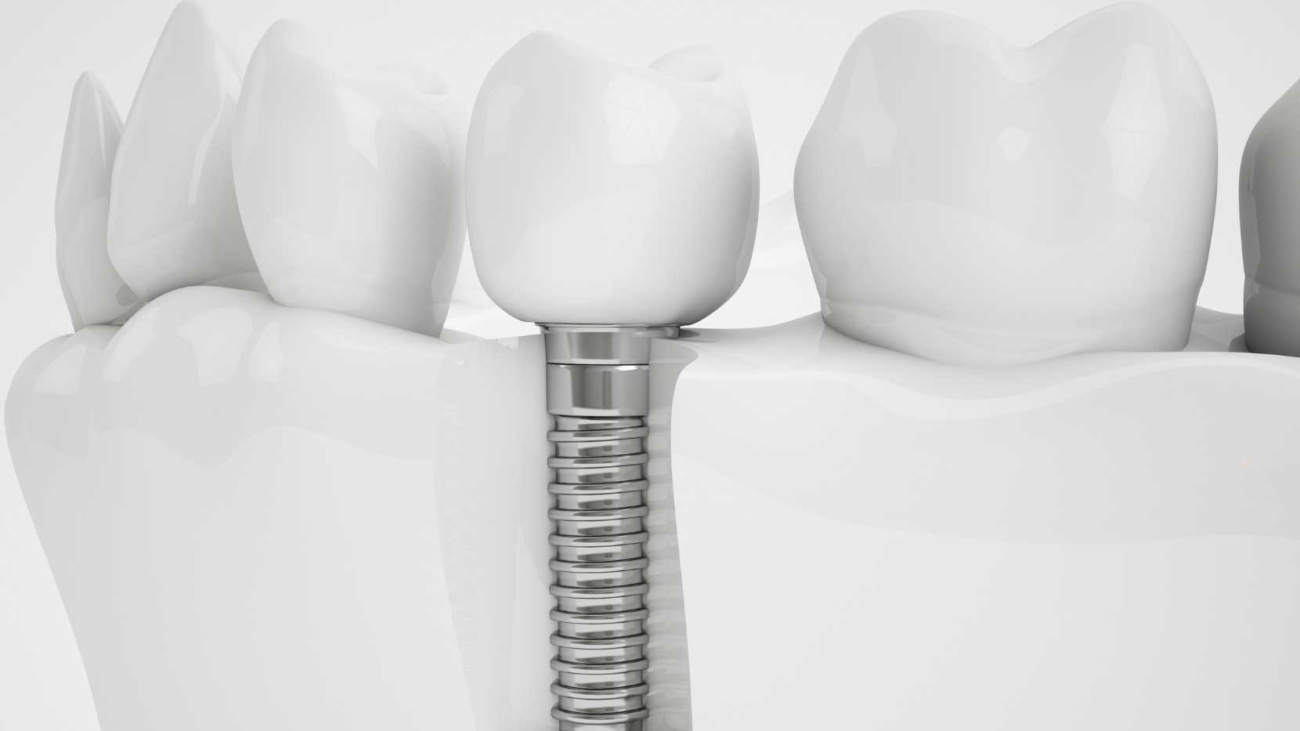
Dental implants are artificial roots used to replace missing teeth. These implants, usually made of titanium, are placed in the jawbone and fuse with the bone over time and function like a natural tooth root. A natural tooth appearance is obtained with porcelain or ceramic veneers placed on it.

Advantages of Dental Implants

1. Natural Look and Feel: Dental implants are the closest alternative to natural teeth. It is very similar to real teeth in terms of both appearance and function. It feels like your natural teeth during chewing, speaking and smiling.

2. Permanent and Durable: With proper care, dental implants can last a lifetime. This is a more economical and effective solution in the long term compared to other dentures.

3. Prevents Bone Loss: After tooth loss, resorption (resorption) may occur in the jaw bone. Dental implants are fixed to the jawbone, preventing this melting and protecting bone health.

4. Preservation of Facial Structure: Tooth loss can cause a change in facial structure and an aged appearance. Dental implants prevent these negative effects by supporting the facial structure.

5. Comfort and Stability: Unlike moving dentures, dental implants are fixed and provide maximum comfort during daily activities. By increasing chewing power, it helps you digest food better.

Dental Implant Process

1. Assessment and Planning: In the first stage, your dentist evaluates your general health status, mouth and jaw structure. Imaging methods such as X-rays and tomography are used to determine whether you are suitable for the implant.

2. Surgical Placement: Once it is determined that you are suitable, the implants are placed in the jawbone through a surgical procedure. This procedure is performed under local anaesthesia and is usually painless.

3. Healing Process: It takes a few months for the implants to fuse with the jawbone. In this process, the bone produces new cells around the implant and ensures its fixation.

4. Placement of the prosthesis: After the implants are completely fused with the bone, a suitable dental prosthesis is placed on it. This prosthesis is designed to resemble natural teeth both aesthetically and functionally.

A New Beginning with Dental Implants

Dental implants are one of the most effective and permanent solutions to replace missing teeth. While offering an aesthetically natural appearance, it works functionally like your real teeth. Thanks to dental implants, you can chew more comfortably, speak clearly and smile freely. This improves your overall quality of life and restores your self-confidence.

Conclusion

Dental implants offer a new life by eliminating the problems caused by missing teeth. This permanent and reliable solution fulfils your aesthetic and functional needs. You can get information about dental implants from your dentist to improve your quality of life by protecting your dental health. Remember, a healthy smile is the key to a healthy life.

agiz-hijyeni-urunleri-1

Oral Hygiene Products

Oral Hygiene Products

Oral hygiene is extremely important for our general health. Good oral hygiene is the basis for healthy teeth and gums.

There are many oral hygiene products on the market and choosing the right product can sometimes be confusing. In this article, we will discuss various oral hygiene products and their correct use.

1. Toothbrushes:

Toothbrushes are essential tools for oral hygiene. You can choose between toothbrushes with soft, medium and hard bristles. Soft bristles provide tooth cleaning without damaging tooth enamel and gums. Electric toothbrushes can prevent plaque build-up by providing extra cleaning power.

2. Toothpastes:

Toothpastes are a basic product for cleaning teeth. Fluoride toothpastes are effective for strengthening tooth enamel and preventing tooth decay. Whitening toothpastes can help remove surface stains, but it is important to ensure that they are not abrasive. Special toothpastes for sensitive teeth are also available.

3. Dental Threads:

Dental floss is used to remove plaque and food residues between the teeth. Flossing supports gum health and helps prevent tooth decay. Silk floss is a common choice, but dental tape or spongy floss can also be used for wider tooth spacing.

4. Mouthwashes:

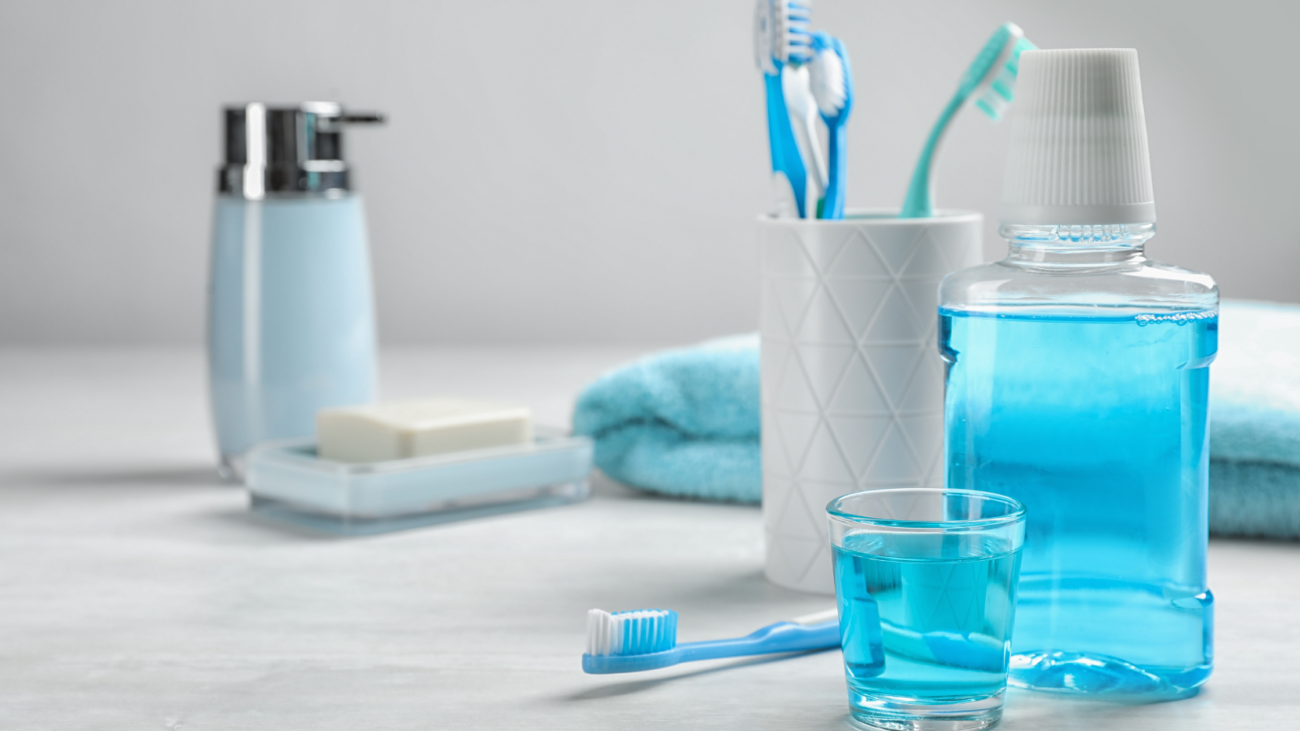
Mouthwashes are used to improve oral hygiene. Antiseptic mouthwashes reduce the amount of bacteria in the mouth and prevent bad breath. Mouthwashes containing fluoride strengthen tooth enamel and prevent tooth decay. Non-alcohol based mouthwashes can be preferred to prevent dry mouth.

5. Tongue Cleaners:

Tongue cleaners are used to remove bacteria and food residues from the surface of the tongue. This helps prevent bad breath and improves general oral hygiene.

6. Oral Hygiene Accessories:

Oral hygiene accessories can facilitate the process of teeth cleaning. Toothbrush covers help keep toothbrushes clean. Floss holders make flossing easier. Travel toothbrushes and portable mouthwashes can also help maintain oral hygiene on the go.

Choosing the right oral hygiene products is critical for a healthy smile. In addition to basic products such as toothbrushes, toothpaste, dental floss and mouthwash, tongue cleaners and oral hygiene accessories can also be useful. When using the products, it is important to maintain regular dental care habits and follow your dentist’s recommendations.

sut-disleri-ve-cocuk-dis-hekimligi-1

Milk Teeth and Paediatric Dentistry

Milk Teeth and Paediatric Dentistry

Dental health in children forms the basis for long-term oral health. Milk teeth are an important part of childhood and can affect future dental health.

In this article, we will examine the importance of milk teeth and what you need to know about paediatric dentistry.

Importance of Milk Teeth:

  • Tooth Development: Primary teeth guide the placement of permanent teeth and jaw development. Healthy milk teeth help the permanent teeth to erupt in the correct position.

  • Speech and Nutrition: Milk teeth are important for children to speak properly and chew food. Speech and Nutrition: Milk teeth are important for children to speak properly and chew food.

  • Self-Confidence: A healthy smile increases children’s self-confidence. Preserving milk teeth helps children feel better in social interactions.

First Control in Paediatric Dentistry:

Paediatric dentists (pedodontists) specialise in children’s dental health. The first dental examination should usually take place before the child’s first birthday or when the first tooth appears. This early examination is important to monitor the child’s dental development and to diagnose possible problems early.

Common Problems in Milk Teeth:

  • Tooth decay: Milk teeth are susceptible to tooth decay. Sugary foods and drinks can lead to tooth decay. Regular tooth brushing and flossing are important to prevent cavities.

  • Tooth Crookedness: Loss of milk teeth can cause permanent teeth to erupt in the wrong position. Therefore, it is important to protect the milk teeth and receive orthodontic treatment when necessary.

Promoting Oral Hygiene in Children:

  • Regular Tooth Brushing: Teach children that they should brush their teeth at least twice a day. It is important to use a soft-bristled toothbrush and fluoride toothpaste.

  • Healthy Nutrition: Avoiding sugary foods and drinks helps to maintain dental health. Healthy snacks and a balanced diet should be encouraged.

  • Fun Education: Making the tooth brushing process fun helps children to have a positive approach to dental health. Colourful toothbrushes, songs and small rewards after a visit to the dentist can be used.

Milk teeth are critical for your child’s overall development. Paediatric dentistry provides guidance for healthy tooth and jaw development. Taking care of dental health at an early age helps your child to have healthy teeth in the future.

agiz-kurulugu-ve-sikintisi-sebepleri-ve-rahatlama-yollari

Dry Mouth and Boredom: Causes and Ways of Relief

Dry Mouth and Boredom: Causes and Ways of Relief

Dry mouth is a condition caused by insufficient saliva secretion in the mouth and can have many causes. People with dry mouth may experience discomfort and problems with oral health.

In this article, we will discuss the causes, symptoms and ways to relieve dry mouth.

Causes of Dry Mouth:

  • Causes of Dry Mouth:Medications: Many prescription and over-the-counter medications can cause dry mouth. Medicines such as antidepressants, antihistamines, blood pressure medicines and some painkillers can reduce salivation.

  • Medical Conditions: Some medical conditions such as diabetes, thyroid diseases, Sjögren’s syndrome, HIV/AIDS can also cause dry mouth.

  • Stress and Anxiety: Stress and anxiety can affect the body’s water balance and thus cause dry mouth.

  • Smoking and Alcohol: Smoking and alcohol consumption can increase dry mouth.

  • Respiratory Problems: Respiratory problems such as chronic nasal congestion and sleep apnoea can also lead to dry mouth.

Symptoms of Dry Mouth:

  • Dry, sticky or uncomfortable feeling
  • Feeling thirsty
  • Difficulty swallowing
  • Burning or irritation in the throat
  • Foaming or thick saliva

Ways to Cope with Dry Mouth:

  • Water Consumption: Drinking water is one of the most simple and effective ways to relieve dry mouth. Take care to drink at least 8 glasses of water a day.

  • Avoid Sugary and Caffeinated Drinks: Sugary drinks and caffeinated drinks can increase dry mouth. You can reduce dry mouth by avoiding such drinks.

  • Using a Moisturiser: You can moisturise your mouth at night by using a moisturising gel or spray.

  • Protecting Your Teeth and Gum Health: Dry mouth can cause tooth decay and other oral health problems. It is therefore important to maintain good oral hygiene habits, such as regular brushing and flossing.

  • Consultation with a Dentist: If dry mouth becomes a persistent problem or your symptoms worsen, it is important to consult a dentist or doctor. The presence of an underlying medical condition should be examined.

Dry mouth is a condition that can negatively affect daily life, but can be managed by taking appropriate measures. If symptoms persist or worsen, it is important to consult a health professional.

agiz-hijyeninde-sik-yapilan-hatalar-ve-dogru-bilinen-yanlislar

Common Mistakes and Common Mistakes in Oral Hygiene

Common Mistakes and Common Mistakes in Oral Hygiene

Oral hygiene is an important part of our general health, but sometimes we can make wrong practices due to misinformation or habits.

Here are common mistakes and common mistakes in oral hygiene:

1. Inadequate Tooth Brushing:

Correct: It is necessary to brush your teeth at least twice a day, in the morning and in the evening, for at least two minutes. The back of the teeth, tongue and gums should not be neglected.

Wrong: Brushing quickly or not brushing long enough.

2. Not using dental floss:

Correct: Flossing should be used every day to remove food debris and plaque between the teeth.

Wrong: Not flossing or flossing the wrong way.

3. Excessive Hard Brushing:

Correct: It is important to use a soft or medium-hard toothbrush and brush gently.

Wrong: Brushing too hard can damage tooth enamel and irritate the gums.

4. Not Choosing the Right Mouthwash:

Correct: Using mouthwash can reduce bacteria and plaque in the mouth and promote oral health.

Wrong: Preferring alcohol-based mouthwashes. Alcohol can cause dry mouth and adversely affect oral hygiene.

5. Not changing the toothbrush frequently:

Correct: It is important to change the toothbrush every three to four months or when the bristles begin to spread.

Wrong: Using the toothbrush for a long time or continuing to use the same brush even though the bristles are falling apart.

6. Not paying attention to oral hygiene:

Correct: It is important to pay regular attention to oral hygiene and to visit the dentist for regular check-ups.

Wrong: Not paying enough attention to oral hygiene or not visiting the dentist regularly.

Conclusion:

Oral hygiene is important for maintaining our general health and it is of great importance to know the correct practices. Adequate and regular tooth brushing, flossing, choosing the right mouthwash and regular dental check-ups are the basic steps to maintain oral health. You can also achieve a healthier mouth and smile by correcting misconceptions about oral hygiene and adopting the right practices.

agiz-sagligi-ve-sigara-kullanimi

Oral Health and Smoking

Oral Health and Smoking

Smoking is an important habit that negatively affects general health and can cause serious damage to oral health.

In this article, we will discuss the effects of smoking on teeth and oral health and the measures that can be taken in this regard.

Effects of Smoking on Teeth:

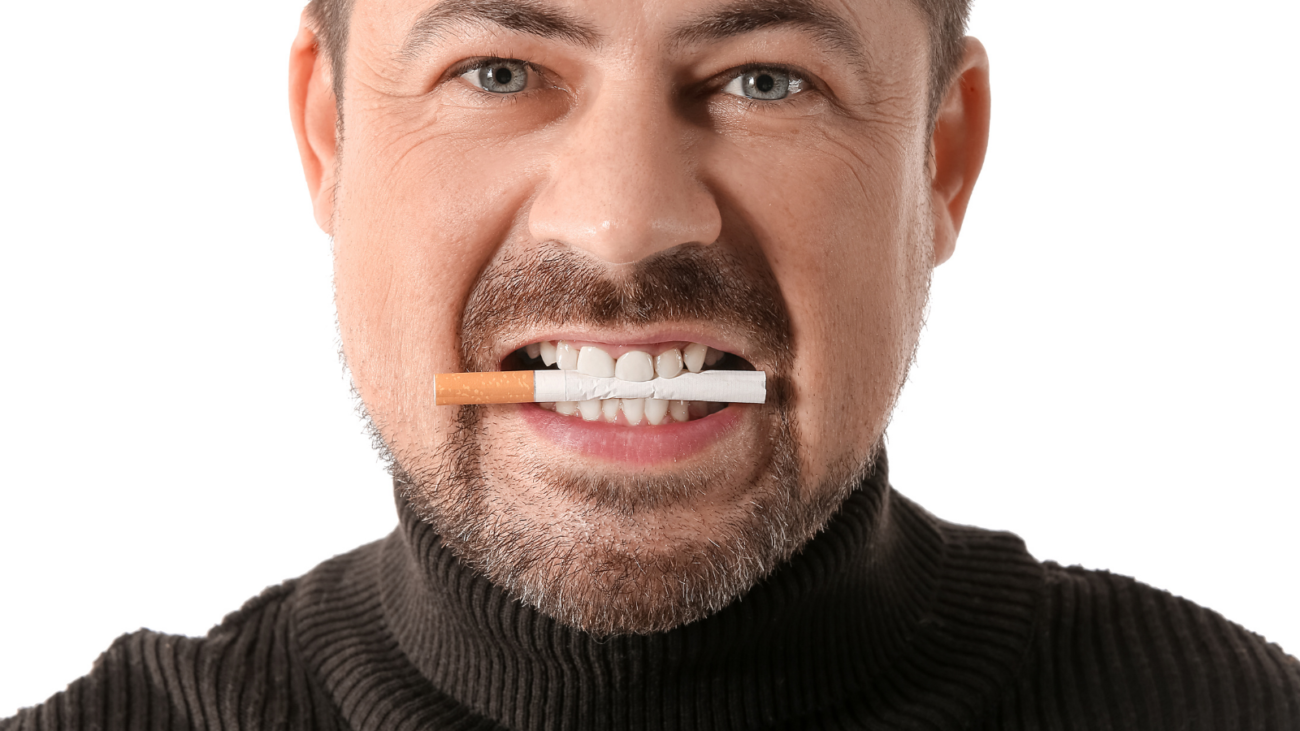
Tooth Yellowing: Smoking can cause yellowing and discolouration of the teeth. The chemicals in cigarette smoke discolour the tooth enamel, resulting in an aesthetically unpleasant appearance.

Gum Diseases: Smoking may increase the risk of developing gum diseases (gingivitis and periodontitis). Gingivitis and bleeding are more common in smokers and this may lead to tooth loss in the future.

Tooth Decay: Smoking can disrupt the pH balance in the mouth and increase acid production, which can increase the risk of tooth decay. In addition, the amount of bacteria in the mouth and caries formation may be higher in smokers.

Other Effects of Smoking on Oral Health:

Loss of odour and taste: Smoking can cause a bad smell and taste in the mouth. Also, smokers may have dulled taste buds and reduced ability to enjoy food.

Failure of Dental Implants and Dentures: Smoking can increase the failure rates of dental implants and dentures. Smoking can adversely affect the fusion process of implants with bone and reduce the long-term success of prostheses.

Prevention and Treatment of Smoking:

Quitting Smoking: The most effective way to prevent the negative effects of smoking on teeth and oral health is to quit smoking. Getting professional support and participating in smoking cessation programmes can make this process easier.

Regular Dental Check-ups: Smokers should go to regular dental check-ups and monitor their oral health. Problems diagnosed early can be treated more effectively.

Healthy Eating Habits: A balanced and healthy diet is important for maintaining oral health. Smokers should consume foods rich in vitamins and minerals to support dental health.

Smoking can cause serious damage to oral health and damage your teeth. Quitting smoking or not smoking is an important way to protect your oral health and can help you keep your teeth healthy for longer.

agiz-sagligi-ve-solunum-yolu-hastaliklari

Oral Health and Respiratory Diseases

Oral Health and Respiratory Diseases

Oral health is an important part of our general health and is closely related to respiratory diseases. It is known that bacteria in the mouth can cause respiratory infections and other respiratory diseases.

In this article, we will discuss the effects of oral health on respiratory diseases and how we can prevent this relationship.

The Effects of Oral Health on Respiratory Diseases:

Respiratory Tract Infections: Bacteria accumulated in the mouth can cause respiratory tract infections. In particular, oral infections, such as gum disease, can spread to the respiratory tract and contribute to diseases such as bronchitis and pneumonia.

Asthma: Poor oral health in asthma patients can exacerbate asthma symptoms. Inflammation in the mouth can increase the frequency and severity of asthma attacks.

Chronic Obstructive Pulmonary Disease (COPD): COPD is a disease characterised by chronic narrowing of the airways. The spread of bacteria in the mouth into the airways can worsen the symptoms of COPD and contribute to the progression of the disease.

Ways to Protect Oral Health:

Regular Dental Care: Practising good oral hygiene is one of the most important steps in maintaining oral health. Brushing, flossing and mouthwash at least twice a day reduces bacterial plaque in the mouth and reduces the risk of infection.

Regular Dental Check-ups: Regular visits to the dentist are important to monitor oral health and detect potential problems early. Your dentist can assess the risk of respiratory diseases when checking your oral health.

Avoiding Smoking and Alcohol Use: Smoking and excessive alcohol consumption negatively affect oral health and increase the risk of respiratory diseases. Avoiding these habits is an important way to maintain oral health.

Healthy Lifestyle Habits: Healthy lifestyle habits such as a healthy diet, regular exercise and stress avoidance positively affect oral health as well as general health. These habits can help reduce the risk of respiratory diseases.

There is an important relationship between oral health and respiratory diseases. Practising good oral hygiene, going for regular dental check-ups and adopting healthy lifestyle habits can help prevent respiratory diseases and maintain oral health.