dis-estetiginde-yenilikler

Innovations in Dental Aesthetics: Latest Trends and Technologies

Innovations in Dental Aesthetics: Latest Trends and Technologies

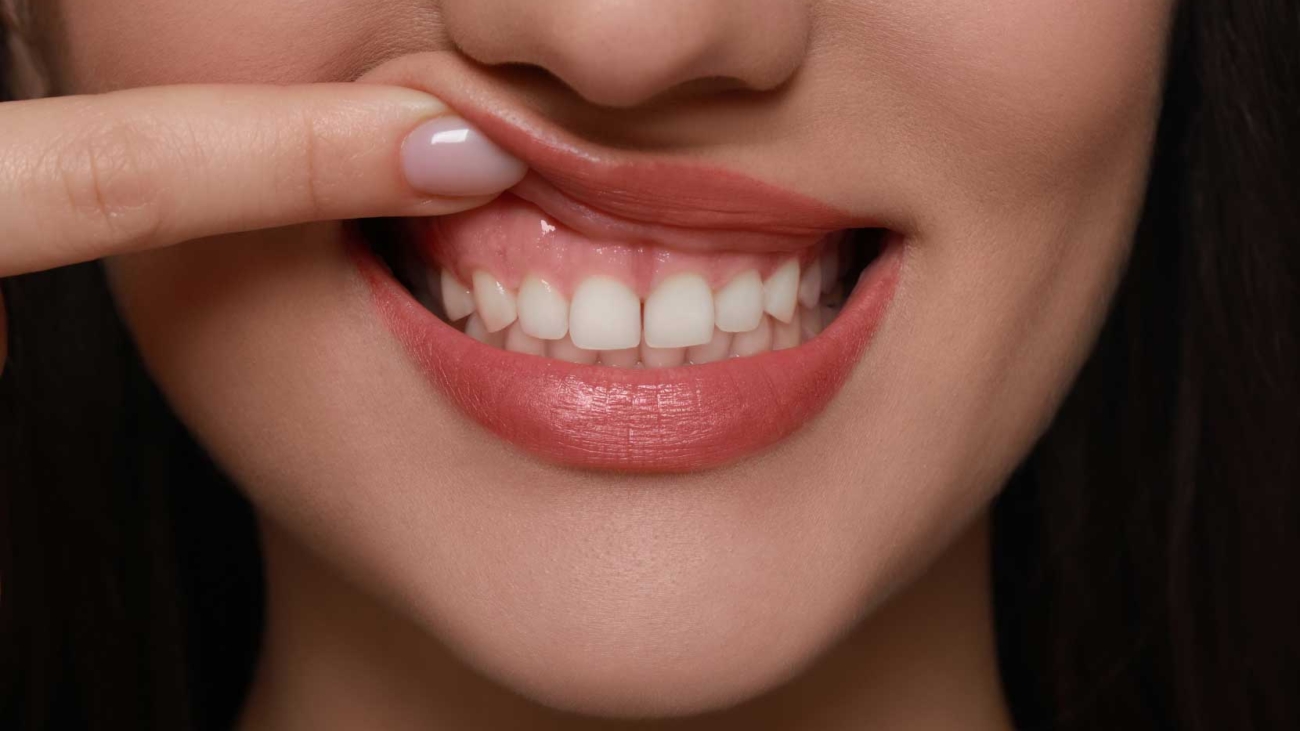
Dental aesthetics is of great importance not only for oral health, but also for self-confidence and general appearance. With the rapid advancement of technology, many innovations and trends in dental aesthetics have emerged.

In this blog post, we will discuss the recent trends and the latest technological developments in dental aesthetics.

Digital Smile Design

Digital Smile Design enables patients’ smiles to be reshaped using digital technologies. Thanks to computer-aided design and manufacturing (CAD/CAM) technologies, dentists can digitally design patients’ smiles and achieve optimal aesthetic results.

Transparent Plaques

  • Transparent aligners, developed as an alternative to traditional braces, have revolutionised teeth straightening treatments. Thanks to their transparent and removable structure, they are the perfect solution for patients with aesthetic concerns. In addition, the aligners are almost invisible around the teeth and provide a comfortable use.

Laser Dentistry

  • Laser technology has also gained an important place in dental aesthetics. Laser dentistry is used in many areas such as teeth whitening, gum aesthetics and caries treatment. Lasers offer more precise and painless procedures, shorten the healing time and reduce the risk of infection.

Porcelain Laminates

  • Porcelain laminates are thin porcelain veneers that are widely used in aesthetic dentistry and provide a natural appearance. These laminates, which are bonded to the front surface of the teeth, are ideal for solving aesthetic problems such as discolouration, abrasions, crooked teeth and spaced teeth.

3D Printing Technology

  • 3D printing technology has been a groundbreaking innovation in dentistry. More precise and faster solutions are produced using 3D printers, especially for dental restorations such as prostheses, crowns and bridges. This technology offers patients treatment in a shorter time and at a more affordable cost.

Smile Aesthetics

  • Smile aesthetics ensures that the teeth, gums and lips create an aesthetic appearance as a whole. Individual aesthetic solutions are offered by taking into account factors such as tooth colour, shape, size and alignment. Smile aesthetics is an approach that increases the self-confidence of individuals and meets their aesthetic expectations.
dis-hekimi-ziyaretlerinde-sik-yapilan-hatalar-ve-dogru-bilinen-yanlislar

Common Mistakes and Common Misconceptions About Dentist Visits

Common Mistakes and Common Misconceptions About Dentist Visits

Visits to the dentist are very important to protect our oral and dental health. However, some mistakes and misconceptions made during these visits can negatively affect the effectiveness of treatment processes.

In this blog post, we will discuss common mistakes and common misconceptions about dental visits and help you to manage your oral health more consciously and effectively.

1. Neglecting Regular Checkups

Error: Not going to the dentist unless there is a toothache or other obvious problem.

Correction: You should have regular check-ups at least twice a year to protect your dental health. Regular check-ups allow for early detection and treatment of potential problems.

2. Neglecting Tooth Brushing and Flossing

  • Mistake: Thinking that brushing is enough and not flossing.

    Correct: Brushing and flossing should be done together. Flossing removes plaque and bacteria accumulation in areas where the brush cannot reach and prevents gum diseases.

3. Ignoring Bleeding Gums

Error: Accepting bleeding gums as a normal condition and ignoring it.

Conclusion: Bleeding gums can be a symptom of gum disease and should be evaluated by a dentist. Regular care and treatment is necessary to maintain your gum health.

4. Using Teeth Whitening Products Improperly

Error: Unconscious and excessive use of home teeth whitening products.

It is true: Teeth whitening products can damage tooth enamel. For this reason, teeth whitening procedures should be carried out in accordance with your dentist’s recommendation and under professional supervision.

5. Postponing Dentist Appointments

Error: Constantly postponing dental appointments and not going to the dentist except in emergencies.

Conclusion: Visiting your dentist regularly is critical to maintaining your oral health and preventing potential problems. Putting off your appointments can lead to bigger problems.

6. Fear of the Dentist

Error: Avoiding treatments due to fear of the dentist.

Conclusion: Fear of the dentist is common, but modern dentistry techniques and anesthesia options offer a painless and comfortable treatment experience. By sharing your fears with your dentist, you can find appropriate solutions.

dis-cekimi-sonrasi-bakim-ve-dikkat-edilmesi-gerekenler

Care and Considerations After Tooth Extraction

Care and Considerations After Tooth Extraction

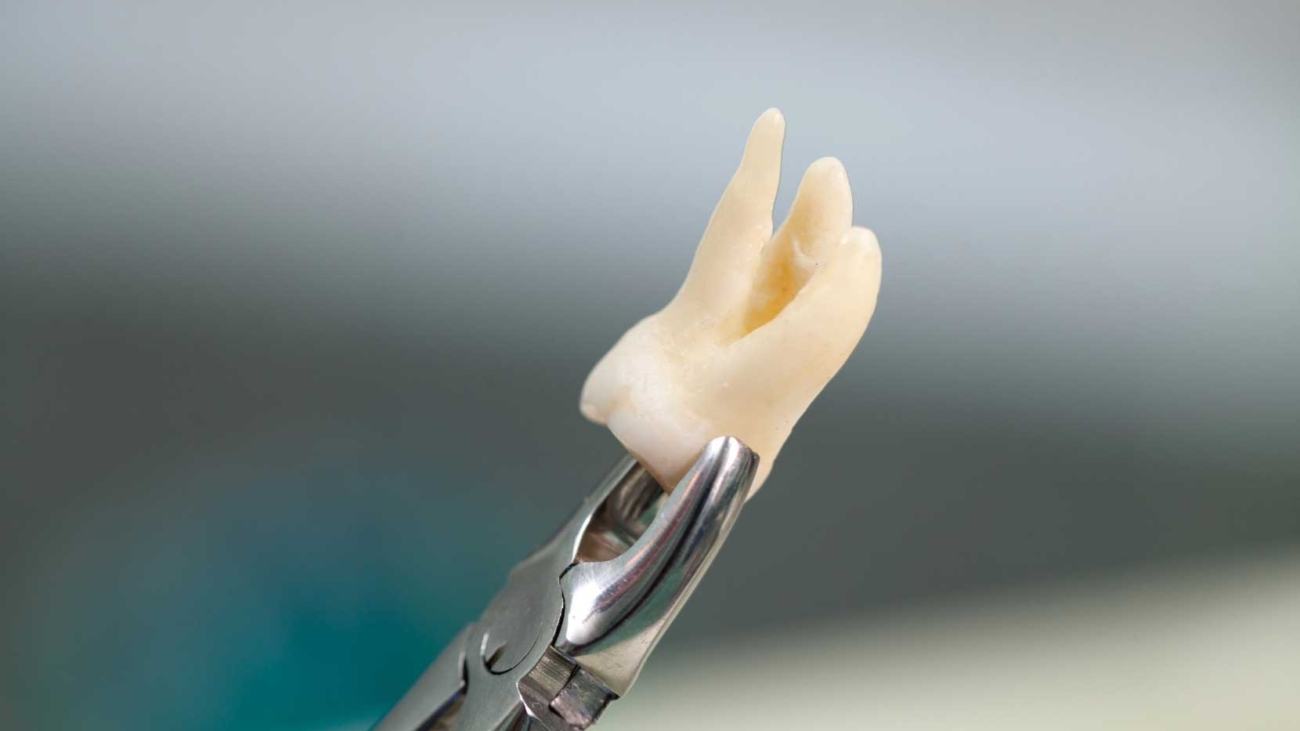
Tooth extraction is a common dental procedure that most people face at some point in their lives. Proper care after tooth extraction accelerates the healing process and prevents complications.

In this article, we will focus on the things to be considered after tooth extraction and tips to facilitate the healing process.

First Hours After Tooth Extraction

After tooth extraction, there are some important points to be considered at the beginning of the healing process:

1. Control Bleeding: Some bleeding is normal after tooth extraction. Place the sterile gauze given by your dentist on the extraction site and bite firmly for about 30-45 minutes to stop the bleeding. If bleeding continues, repeat the procedure using a new gauze swab.

2. Rest: Resting during the first 24 hours is important for your recovery. Avoid physical activity and sleep with your head elevated.

3. Ice Application: Applying ice to the extraction area from the outside reduces swelling and pain. Apply the ice pack for 15 minutes every 15-20 minutes for the first 24 hours.

First 24-48 hours after tooth extraction

First 24-48 Hours After Tooth ExtractionThe first two days after tooth extraction is a critical period in the healing process. During this time it is important to pay attention to the following steps:

1. Pain Management: Use painkillers prescribed by your dentist regularly. If you are taking over-the-counter painkillers, consult your doctor to determine the appropriate dosage.

2. Nutrition: Eat soft and liquid foods in the first few days. Foods such as soups, yoghurt, purees and smoothies are ideal. Avoid hot, spicy and hard foods.

3. Fluid Intake: Drink plenty of water, but avoid using a straw. Drinking through a straw can increase the pressure in the mouth and cause the blood clot to dislodge.

4. Smoking and Alcohol: Do not smoke or drink alcohol for at least 48 hours after tooth extraction. Smoking can delay healing and increase the risk of infection.

5. Oral Hygiene: Avoid brushing your teeth and using mouthwash for the first 24 hours. Afterwards, you can carefully brush your teeth using a soft toothbrush. Gently gargling with salt water also helps to prevent infection.

Long-term Care and Recovery

Long-term care after tooth extraction is also part of the healing process:

1. Stitches: If your dentist has stitched, find out when the stitches should be removed. Some stitches dissolve spontaneously, others have to be removed.

2. Swelling and Bruising: Swelling usually peaks in the first 48 hours and then begins to decrease. Bruising may last for a few days, this is normal. You can continue ice application.

3. Diet: Continue to consume soft and nutritious foods. Avoid hard, crusty and irritating foods for a while longer.

4. Oral Hygiene: Continue to brush and floss your teeth. Clean the extraction site by approaching it gently. You can continue to gargle with salt water.

dis-gicirdatma-nedenleri-ve-tedavi-yontemleri

Tooth Grinding (Bruxism): Causes and Treatment Methods

Tooth Grinding (Bruxism): Causes and Treatment Methods

Teeth grinding, medically known as bruxism, is a common problem experienced by many people. It manifests itself as involuntary clenching or grinding of the teeth while sleeping or awake.

Bruxism can damage the teeth and lead to various health problems such as jaw pain and headaches. In this article, we will discuss the causes, symptoms and treatment methods of teeth grinding.

Causes of Tooth Grinding

1. Stress and Anxiety: Stress and anxiety are one of the most common causes of bruxism. The stress of daily life can cause teeth to clench or grind.

2. Sleep Disorders: Sleep disorders such as sleep apnoea can trigger bruxism. Insomnia or irregular sleep can also contribute to this condition.

3. Jaw and Tooth Structure: Problems in tooth alignment or abnormalities in jaw structure can lead to teeth grinding. In addition, tooth loss or improperly made dental fillings can also trigger this problem.

4. Medical Conditions: Some neurological or psychiatric disorders are associated with bruxism. For example, conditions such as Parkinson’s disease or depression can increase the risk of teeth grinding.

5. Drug Use: Some antidepressants or psychotropic drugs may cause bruxism side effects.

Symptoms of Tooth Grinding

1. Wear on Teeth: Bruxism can cause abrasions on the surface of the teeth. This can lead to sensitisation and fracture of the teeth.

2. Jaw Pain: Teeth grinding can cause the jaw muscles to fatigue and ache. Pain and discomfort in the jaw joint (TMJ) is also common.

3. Headache: Waking up with a headache, especially in the morning, can be a symptom of bruxism. Tightening of the jaw muscles can lead to headaches.

4. Sleep Disorders: Teeth grinding during sleep can cause insomnia or restless sleep. This can reduce the overall quality of sleep.

5. Ear Pain: Teeth grinding can cause pain around the ear, but this pain is usually caused by the jaw joint.

Treatment Methods of Teeth Grinding

1. Stress Management: Stress and anxiety are one of the main causes of bruxism. Therefore, it can be useful to learn and practice stress management techniques. Relaxation techniques such as yoga, meditation, deep breathing exercises can reduce stress.

2. Dental tray (night guard): Your dentist may recommend a dental tray that you can use at night to protect your teeth. This plaque prevents abrasion of the teeth and relaxes the jaw muscles.

3. Drug Treatment: Painkillers or muscle relaxants can be used to reduce jaw pain and muscle tension. However, these medications are not a long-term solution and should be used with the advice of your dentist.

4. Dental Treatments: If your teeth have alignment problems or incorrectly made fillings, your dentist can correct these problems. Orthodontic treatment or corrective dental procedures can reduce bruxism.

5. Treatment of Sleep Disorders: If sleep apnoea or another sleep disorder causes bruxism, this condition should be treated. You can evaluate appropriate treatment methods in consultation with a sleep specialist.

6. Psychotherapy: In bruxism caused by anxiety or stress, it may be helpful to see a therapist. Methods such as cognitive behavioural therapy (CBT) can help manage stress and anxiety.

dis-dolgulari-malzemeler-ve-bakim-ipuclari

Dental Fillings: Materials and Care Tips

Dental Fillings: Materials and Care Tips

Dental fillings are commonly used dental treatment methods to repair decayed or damaged teeth. Dental fillings made of various materials protect oral health by restoring the function and aesthetics of the teeth.

In this blog post, you can find the materials used for dental fillings and care tips you can apply to extend the life of your filling.

Dental Filling Materials

  1. Amalgam Fillings:

    • Properties: Amalgam fillings consisting of a mixture of silver, mercury, tin and copper are known for their durability. It is affordable and long lasting.
    • Advantages: Durable, long life and low cost.
    • Disadvantages: May not be aesthetically preferred due to its silver colour. Some people may be concerned about the mercury content.
  2. Composite Fillings:

    • Properties: Composite resins made of plastic and fine glass particles can be made in the colour of natural teeth and look more aesthetically pleasing.
    • Advantages: It is aesthetically superior because it is in natural tooth colour. It provides better support by chemically bonding to the tooth.
    • Disadvantages: It is not as durable as amalgam and may change colour over time.
  3. Porcelain Fillings:

    • Properties: Porcelain fillings prepared in the laboratory are tooth-coloured and aesthetically perfect.
    • Advantages: Aesthetically excellent, colourfast and stain-resistant.
    • Disadvantages: More expensive and may take longer to place.
  4. Gold Fillings:

    • Properties: Fillings made of gold alloy are known for their durability and longevity.
    • Advantages: Extremely durable and long lasting.
    • Disadvantages: High cost and aesthetically does not match the natural tooth colour.

Tooth Filling Care Tips


  1. Regular brushing and flossing:

    • Brush your teeth with fluoride toothpaste at least twice a day and floss daily to prevent plaque build-up.
  2. Regular Dentist Checks:

    • Go to your dentist for a check-up every six months. This allows you to get information about the condition of your filling and your general oral health.
  3. Balanced Nutrition:

    • Avoid sugary and acidic foods. Such foods can weaken the tooth structure around your filling by causing tooth decay.
  4. Avoiding Tooth Clenching and Grinding:

    • Keep your teeth clenching and grinding habit under control by using a night plaque. This extends the life of your filling and prevents wear.
  5. Avoiding Hard Foods:

    • Avoid chewing hard foods and objects. This prevents your filling from breaking or cracking.
dis-eti-rahatsizliklari-belirtileri-nedenleri-ve-tedavi-secenekleri

Gum Diseases: Symptoms, Causes and Treatment Options

Gum Diseases: Symptoms, Causes and Treatment Options

Gum diseases are a common problem that seriously affects oral health. Conditions such as infection, swelling and recession of the gums threaten the health of the teeth and may have negative effects on general health.

In this article, we will discuss the symptoms, causes and treatment options of gum diseases in detail.

Symptoms of Gum Diseases

1. Bleeding: The most common symptom of gum disease is bleeding gums when brushing or flossing. Healthy gums usually do not bleed.

2. Swelling and redness: Infected gums usually swell and become red. This is common in the early stages of gum disease.

3. Sensitivity: Sensitivity of the gums can occur especially when consuming hot, cold or sweet foods. This sensitivity can be caused by recession or infection of the gums.

4. Bad Breath: A persistent bad odour in the mouth can be a sign of gum disease. This odour occurs as a result of infection.

5. Gum Recession: The gums moving away from the teeth and exposing the root surfaces is known as gingival recession. This may cause the teeth to appear longer.

6. Loose Teeth: In advanced stages of gum disease, teeth may become loose or displaced. This is caused by the loss of the supporting tissue of the teeth.

Causes of Gum Diseases

1. Plaque and Tartar Accumulation: The main cause of gum diseases is plaque accumulation on the teeth and gums. Plaque is a sticky layer of bacteria and food particles. Plaque hardens over time and turns into tartar and causes gum disease.

2. Poor Oral Hygiene: Not brushing and flossing regularly increases plaque build-up and increases the risk of gum disease.

3. Smoking and Tobacco Products: Smoking and other tobacco products damage the gums and slow down the healing process. Smokers have a higher risk of gum disease.

4. Genetic Factors: Some people are genetically more prone to gum diseases. Individuals with a family history of gum disease should be more careful.

5. Hormonal Changes: Hormonal changes such as pregnancy, menopause and menstrual cycle can make the gums more sensitive and increase the risk of disease.

6. Diabetes: Diabetes reduces the body’s ability to deal with infections and increases the risk of gum disease. Diabetic individuals should pay more attention to oral hygiene.

Treatment Options for Gum Diseases

1. Professional Cleaning: Professional dental cleaning by a dentist can treat gum disease by removing plaque and tartar build-up. This procedure is effective in the early stages of gum disease.

2. Root Surface Smoothing (Scaling and Root Planing): This treatment method removes plaque and tartar deposits from the tooth roots and smooths the root surfaces. This encourages the gums to reattach to the teeth.

3. Antibiotic Treatment: Antibiotic treatment may sometimes be needed to control gum infection. Antibiotics speed up the healing process by reducing bacterial infections.

4. Surgical Interventions: In advanced gum diseases, surgical interventions may be required to repair the gums and supporting tissues. Methods such as flap surgery or grafting are used to treat gum disease.

5. Laser Treatment: Laser treatment is a modern method used to treat gum diseases. Lasers precisely eliminate infected tissues and improve gum health.

6. Good Oral Hygiene: The most important step in the prevention and treatment of gum diseases is regular oral hygiene. Brushing at least twice a day, flossing and regular dental check-ups are essential for healthy gums.

dis-macunu-secerken-yapilmasi-gerekenler

Things to Consider When Choosing Toothpaste

Things to Consider When Choosing Toothpaste

Toothpaste is an indispensable part of our daily oral hygiene. However, since there are many different brands and types of toothpaste on the market, it can sometimes be difficult to choose the right one.

In this article, we will discuss the important points to consider when choosing toothpaste.

1. Fluoride Content

Fluoride is one of the most important ingredients in toothpastes. It protects your teeth from caries and strengthens tooth enamel. When choosing toothpaste, be sure to choose a product containing fluoride. The fluoride content should generally be around 0.22% (1450 ppm).

2. Special Formulas for Tooth Sensitivity

If you have tooth sensitivity problems, you should prefer toothpastes with a special formula suitable for this situation. Such toothpastes contain ingredients that reduce sensitivity and protect tooth enamel. Substances such as potassium nitrate or strontium chloride are effective in removing sensitivity.

3. Whitening Properties

If you want to have whiter teeth, you can choose toothpastes with whitening properties. These products make your teeth look brighter by removing surface stains. However, make sure that it does not contain abrasive substances, as such substances can damage tooth enamel.

4. Tartar Control

Tartar accumulation can lead to gum diseases. Tartar control toothpastes prevent tartar accumulation by reducing plaque formation. Such toothpastes are ideal for people who are particularly prone to tartar build-up.

5. Natural and Organic Options

If you want to avoid chemical toothpastes, you can choose natural and organic toothpastes. These products contain natural ingredients and are usually fluoride-free. However, it is also important to use a product containing fluoride to protect against tooth decay.

6. Special Formulas for Bad Breath

If you have a bad breath problem, you should choose toothpastes with a formula to eliminate this problem. Such toothpastes contain ingredients that freshen your breath and destroy bacteria that cause bad breath.

7. Toothpastes for Children

When choosing toothpaste for children, it is important to choose a product suitable for their age. Children’s toothpastes should have a lower fluoride content and be in flavours that appeal to children. It should also contain safe ingredients in case children swallow the toothpaste.

8. User Reviews and Recommendations

When choosing toothpaste, it may be useful to consider the reviews of other users and the recommendations of dentists. User reviews on online platforms and health sites can help you get an idea of which products are more effective.

9. Clinical Approved Products

When choosing toothpaste, it is important to prefer clinically tested and approved products in terms of reliability. Products recommended by dentists and supported by clinical research are generally more reliable.

10. Personal Needs and Preferences

Finally, consider your personal needs and preferences when choosing toothpaste. Choosing the most suitable product for your oral health will help you protect your teeth and gum health in the long term.

20-yas-disleri-cekilmeli-mi

Wisdom Teeth: To be extracted or not to be extracted?

Wisdom Teeth: To be extracted or not to be extracted?

Wisdom teeth, also known as third molars, usually appear in young adulthood, between the ages of 17 and 25. For many people, these teeth can lead to various oral health problems and may therefore need to be extracted.

However, not all wisdom teeth cause problems. So, when should wisdom teeth be removed and when should they be left? Here are the answers to this question and factors to consider.

Conditions Requiring Extraction of Wisdom Teeth

  1. Insufficient Space

    • Most people do not have enough space in their jaws for wisdom teeth. This may cause the teeth to remain impacted or half impacted. When there is not enough space, the teeth can put pressure on other teeth, leading to pain, infection and orthodontic problems.
  2. Pain and Infection:

    • Wisdom teeth can cause pain when erupting. In addition, bacteria can accumulate around teeth that cannot fully erupt and cause infection. This infection can cause swelling, redness and even fever in the mouth.
  3. Caries and Gum Diseases:

    • The position of wisdom teeth can make them difficult to clean. This can cause tooth decay and gum disease. Wisdom teeth with a high risk of decay and infection may need to be extracted.
  • 4 . Impaction and Crookedness of Teeth:

    • Wisdom teeth can cause displacement of other teeth and crookedness. For people who have undergone orthodontic treatment, the presence of these teeth can lead to re-distortion of the teeth.
  • 5. Cyst and Tumour Formation:

    • Impacted wisdom teeth can cause cyst or tumour formation around them. This can damage the jawbone and lead to serious oral health problems.

Cases where wisdom teeth do not need to be extracted

  • Healthy and trouble-free teeth:

    • If the wisdom teeth are properly erupted, healthy and do not damage other teeth, they do not need to be extracted. These teeth can be cleaned properly and do not harm oral health.
  • Adequate Space

    • If there is enough space in the jaw and wisdom teeth do not put pressure on other teeth, it may be appropriate to leave these teeth.
  • Painless and infection-free:

    • If wisdom teeth do not cause pain or infection during or after eruption, they may not need to be extracted.

Extraction of Wisdom Teeth

If it is decided to extract the wisdom teeth, they will be removed in a procedure performed by a dentist or oral surgeon. The extraction is usually performed under local anaesthesia and requires a recovery period of several days. During the healing process, it is important to pay attention to oral hygiene and follow the doctor’s recommendations.

Conclusion

When deciding whether or not to extract wisdom teeth, it is very important to consider the recommendations of your dentist. Factors such as whether the wisdom teeth are healthy and whether they damage the surrounding teeth and oral structure should be evaluated. Regular dental check-ups and x-rays are important to monitor the condition of your wisdom teeth.

If you are experiencing pain, infection or other problems with your wisdom teeth, you can find out the most appropriate treatment options by consulting a dentist.

dis-teli-tedavisi-bilmeniz-gerekenler-ve-tedavi-sureci

Braces Treatment: What You Need to Know and Treatment Process

Braces Treatment: What You Need to Know and Treatment Process

Braces treatment is a treatment method that is widely applied in the field of orthodontics and ensures proper alignment of the teeth.

In this blog post, we will discuss what you need to know about braces and the treatment process.

What is Braces Treatment?

Braces treatment is an orthodontic treatment method used to ensure proper alignment of the teeth and jaw. Braces consist of metal or ceramic brackets placed on the teeth and wires connecting these brackets. These braces allow the teeth to move into the correct position over time.

Purpose of Braces Treatment

The main purpose of braces treatment is to ensure proper alignment of the teeth and jaw. This improves biting and chewing functions, makes teeth easier to clean and reduces the risk of gum disease. It also allows you to have an aesthetically smoother and more attractive smile.

Who Needs Braces Treatment?

Braces treatment is usually applied in the following cases:

  1. Crowded Teeth: A condition in which teeth overlap or are not properly aligned.
  2. Gaps Excessive gaps between the teeth.
  3. Bite Problems Failure of the upper and lower teeth to close properly (cross bite, open bite, deep bite).
  4. Jaw Problems: The lower or upper jaw is in front or behind.

Types of Braces

Different types of braces can be used in braces treatment:

  1. Metal Braces: The most common and durable type of braces. Metal brackets and wires are used.
  2. Ceramic Braces: Similar to metal braces, but less visible because the brackets are tooth-coloured.
  3. Lingual Braces: These are braces placed on the back surface of the teeth, so they are not visible from the outside.
  4. Clear Aligners: Clear aligners, such as Invisalign, are a removable and virtually invisible alternative to braces.

Braces Treatment Process

The braces treatment process consists of several steps:

  1. Examination and Planning: The orthodontist will examine your teeth, take x-rays and photographs. A treatment plan is created.
  2. Braces Application: Brackets are attached to the teeth and wires are placed.
  3. Routine Check-ups: Visit the orthodontist once a month and tighten the braces. This ensures that the teeth are in the correct position.
  4. Finalisation and Preventive Treatment: When the treatment is completed, the braces are removed and protective appliances called retainers are used. This helps the teeth to maintain their new position.

Things to Consider in Braces Treatment

It is important to pay attention to the following points during braces treatment:

  1. Oral Hygiene: Braces can cause food and plaque build-up. Therefore, you should brush and floss your teeth regularly.
  2. Food Selection: You should avoid hard, sticky and sugary foods. This type of food can damage the braces.
  3. Routine Check-ups: You should attend regular check-up appointments with your orthodontist. This is important for the proper progress of your treatment.
  4. Sports and Protective Appliances: When playing sports, you should use mouth guards to protect your braces.
agiz-sagliginda-nanoteknoloji

Nanotechnology in Oral Health: Dental Treatments of the Future

Nanotechnology in Oral Health: Dental Treatments of the Future

Oral health is an important part of our overall health and dentistry is constantly evolving with new technologies. One of the most exciting innovations in this field is nanotechnology.

Nanotechnology is an advanced technology that has the potential to revolutionise dentistry. In this article, we will examine how nanotechnology can contribute to oral health and how it can be used in dental treatments of the future.

What is Nanotechnology?

Nanotechnology is a branch of science that develops new materials and devices by manipulating matter at the atomic and molecular level. This technology works at the nanometre (billionth of a metre) scale, providing the ability to control and change the properties of materials. In this way, much more precise and effective treatment methods can be developed.

Applications of Nanotechnology in Dentistry

Nanotechnology can be used in many different areas in dentistry. Here are some areas where nanotechnology can contribute to dental health:

  1. Nanoparticle Based Toothpastes:

    • Nanotechnology can improve the effectiveness of fluoride and other active ingredients used in toothpastes. Nanoparticles penetrate the tooth enamel more easily and provide more effective protection against dental caries.
  2. Nanocomposite Filling Materials:

    • Conventional filling materials can wear and break over time. Nanocomposites offer more durable and long-lasting filling materials. It also provides a more aesthetically natural appearance.
  1. Nanobiosensors:

    • Nanobiosensors used to continuously monitor oral health can detect bacteria and other biomarkers in saliva. In this way, gum diseases and caries can be diagnosed in the early stages.
  2. Antibacterial Nanoparticles:

    • Antibacterial nanoparticles used in dentistry to prevent infections protect oral health by preventing bacterial growth. This technology can also be used on implants and other dental devices.
  3. Cell and Tissue Engineering:

    • Nanotechnology can be used to repair and regenerate damaged tooth and gum tissues. Nanomaterials offer new opportunities in tissue engineering by promoting cell growth.

Advantages of Nanotechnology

The use of nanotechnology in dentistry offers many advantages:

  • High Sensitivity: Nanotechnology enables treatments to be more precise and targeted.
  • Fewer Side Effects: Nanotechnological treatments cause less damage to surrounding tissues.
  • Faster Healing: Nanomaterials can speed up the healing process.
  • Long Lasting Results: Treatments made with nanotechnology can be more durable and long-lasting.

Dental Treatments of the Future

Nanotechnology will become much more common in dentistry in the future, enabling the development of many new treatment methods. In the future, personalized treatments, smart dental devices and advanced biomimetic materials will make dentistry more effective and efficient.