seffaf-plak-tedavisi-hakkinda-sorulan-sorular

Frequently Asked Questions About Clear Aligner Treatment (Invisalign)

Frequently Asked Questions About Clear Aligner Treatment (Invisalign)

While braces are one of the first methods that come to mind when talking about orthodontic treatments, clear aligner therapy (Invisalign), which stands out among aesthetic and comfort-focused alternatives, has become increasingly popular today.

This treatment is an ideal option for those who want to avoid the appearance of metal wires. It ensures that teeth are aligned more evenly while having a minimal impact on daily life. So, what are the most frequently asked questions about clear aligner treatment?

How is Clear Aligner Treatment Applied?

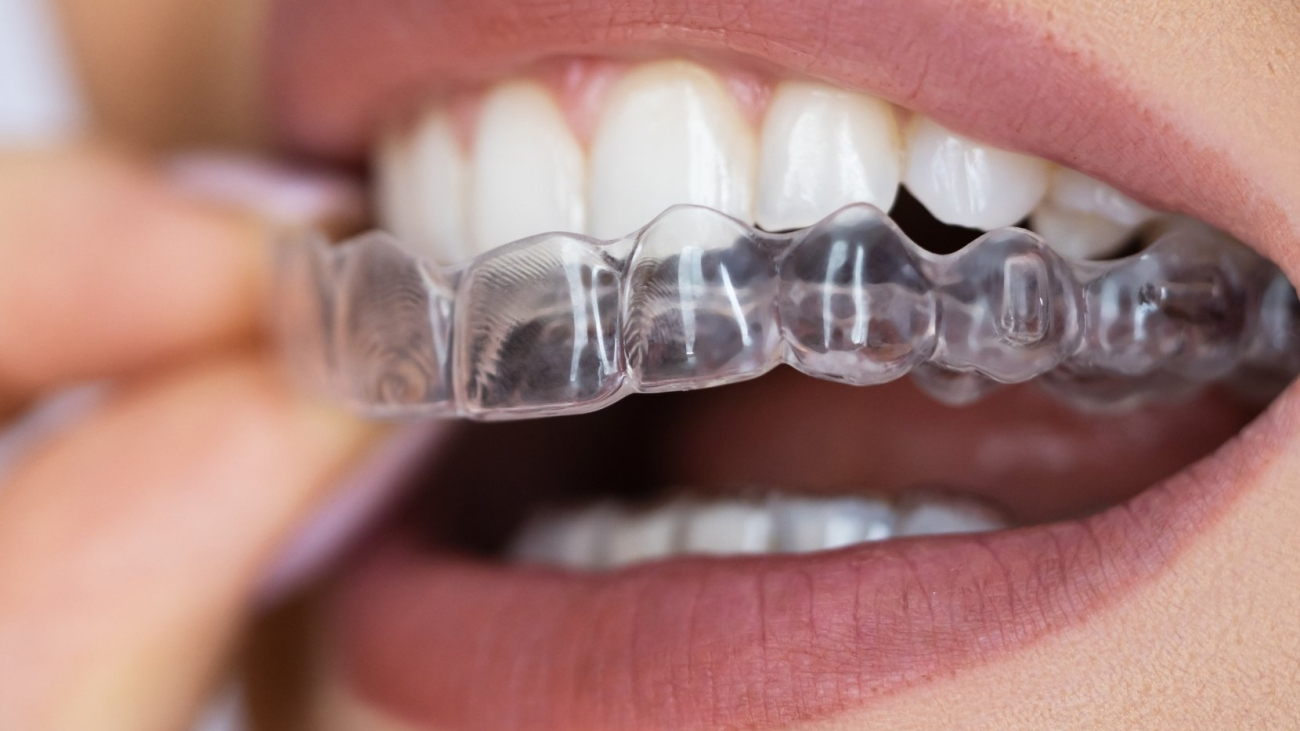
Clear aligner therapy is based on the principle of slowly and gradually moving teeth using custom-made transparent aligners. Before treatment, digital scans of the teeth are taken, and the entire process is meticulously designed using computer-aided planning. The aligners are replaced approximately every two weeks, and each new aligner brings the teeth a little closer to their target position. This gradual movement makes the treatment process comfortable and predictable.

How Long Does the Treatment Last?

The duration of clear aligner treatment varies from person to person, but it is typically completed within 6 to 18 months. The position of the teeth, the severity of the misalignment, and whether the patient wears the aligners regularly are the most important factors affecting this duration. Careful use of the aligners, which are recommended to be worn for 20-22 hours daily, directly determines the success and duration of the treatment.

How Does It Affect Daily Life?

One of the biggest advantages of Invisalign treatment is that it causes almost no disruption to daily life. The aligners can be easily removed while eating or brushing teeth, which is a significant advantage in terms of hygiene. Furthermore, their transparent structure makes them virtually invisible to others, which is a major aesthetic plus, especially for adult patients. They have minimal impact on speech, and the adjustment period is usually very short.

Is Clear Aligner Treatment Suitable for Everyone?

Although clear aligner treatment is an effective solution for many patients, it may not be suitable for every case. Traditional orthodontic methods may be preferred, especially for individuals with severe jaw deformities or advanced tooth misalignment. A detailed examination by your dentist is essential to determine whether you are a suitable candidate for treatment.

What Should You Pay Attention to After Treatment?

After treatment is completed, retainers are typically used to maintain the new position of the teeth. Wearing these retainers regularly for the recommended period prevents the teeth from shifting back to their original position. Maintaining good oral hygiene and attending regular check-ups are also important for the longevity of the treatment.

Clear aligner therapy is a modern orthodontic solution that combines aesthetics and comfort. Its invisible design delivers effective results without impacting your social life. If you want a straighter, more aesthetically pleasing smile, consult your dentist to find out if clear aligner therapy is right for you.

lamina-dis-kaplama-ile-porselen-kaplama-arasindaki-farklarv2

Differences Between Laminate and Porcelain Veneers

Differences Between Laminate and Porcelain Veneers

Cosmetic dentistry today offers a variety of treatment options for a healthy and beautiful smile. Two of the most popular options are laminate veneers and porcelain veneers.

Although they both aim to improve smile aesthetics, they have significant differences in terms of application methods, advantages and areas of use.

What is Laminate Dental Veneer?

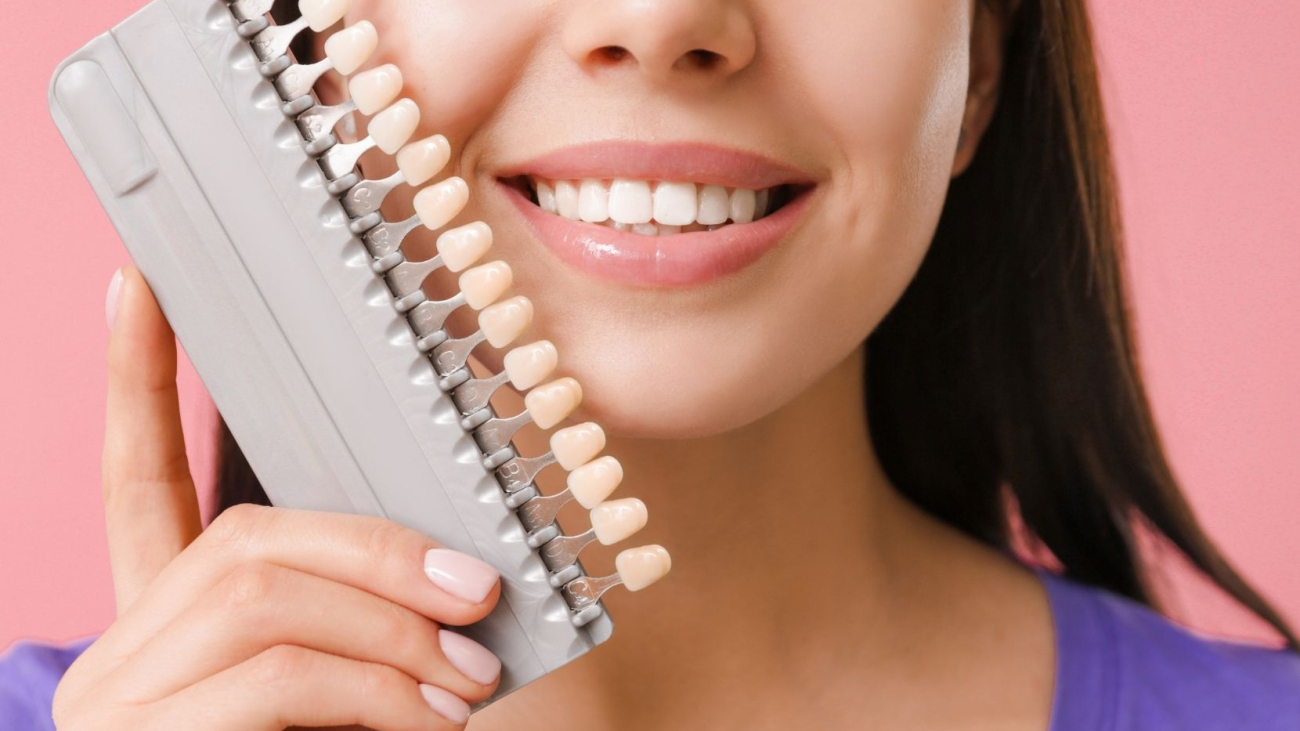
Laminate veneers, also known colloquially as laminated porcelain, are applied by bonding very thin layers of porcelain to the front surface of the tooth. Minimal intervention is required to the tooth structure, preserving the natural tooth to a large extent. They are often used to correct tooth discoloration, minor misalignments, or small fractures. Their thin, transparent structure provides a remarkably natural appearance.

What is Porcelain Veneer?

Porcelain veneers are restorative solutions that cover the entire tooth. Because they require more grinding, a larger portion of the tooth is reduced in size and then covered with porcelain. They are used to increase durability in cases of decay, large fractures, teeth that have undergone root canal treatment, or severe structural deformities. These veneers are more durable and long-lasting than laminate veneers.

Differences Between the Two Coatings

Laminate veneers are a minimally invasive procedure designed primarily for aesthetic reasons. Porcelain veneers, on the other hand, are a strong solution for both aesthetic and functional reasons, and are particularly preferred in cases of significant tooth loss. Laminate veneers offer a more natural appearance, while porcelain veneers stand out for their durability.

Which One Should Be Preferred In Which Situation?

The choice is made based on the individual’s needs and dental structure. For individuals with only aesthetic concerns and strong teeth, laminate veneers are the ideal solution. However, for individuals with severe tooth damage, large fillings, or structural weaknesses, porcelain veneers are more suitable. Therefore, the best decision is made after a thorough examination by a specialist dentist.

gulus-tasarimin-yuz-tipine-gore-planlama-nasil-yapilir

How to Plan Smile Design Based on Face Shape?

How to Plan Smile Design Based on Face Shape?

In cosmetic dentistry, smile design is not limited to changing the shape and color of teeth. The person’s face type, lip structure, and overall facial aesthetics are also important parts of this process.

A smile design tailored to your face shape provides both a more natural and more aesthetic appearance.

Teeth Shapes According to Face Shape

Each face shape has its own unique contours, and teeth should complement these contours. For example, people with oval face shapes naturally achieve harmony with softer, rounded teeth, while individuals with square face shapes prefer more angular and defined tooth shapes. For long face shapes, wider teeth are aesthetically ideal to achieve balance.

The Importance of Lip and Jaw Structure

Teeth must be compatible not only with the face shape but also with the lip line. The ratio of teeth to lips during smiling plays a major role in aesthetic appearance. Jaw structure should also be considered in smile design. The harmony between the upper and lower jaws affects the determination of tooth length.

Custom Smile Design

A different approach is required for each individual in smile design. In addition to face type, the person’s character, age, and expectations are also included in the planning process. While bright and symmetrical teeth may be preferred for those who want a younger appearance, small asymmetries in the teeth can be preserved for those who want a natural look.

Digital Planning and Simulation

Today, thanks to digital technologies, smile design can be planned individually on a computer. With digital simulations, patients can see what their new smile will look like before starting treatment. This ensures that the smile best suited to the face type is designed more accurately and safely.

cocuklarda-dis-bakimi-ve-ilk-dis-hekimi-ziyareti

Dental Care for Children and the First Visit to the Dentist

Dental Care for Children and the First Visit to the Dentist

Maintaining oral and dental health in children lays the foundation for a lifetime of healthy smiles. Establishing regular care habits at an early age is crucial in preventing tooth decay and eliminating fear of the dentist.

At AvrupaUBK Dental, we also prioritize guiding families so that our little patients can have healthy teeth.

Why Is Dental Care Important for Children?

Baby teeth serve as guides for the development of permanent teeth. Healthy baby teeth are essential for a child’s ability to eat comfortably, develop proper speech, and maintain an aesthetic appearance. However, neglecting care for baby teeth because they are temporary can negatively affect dental health in later years. Regular brushing, a balanced diet, and controlled consumption of sugary foods play a major role in children’s dental health.

When Should the First Visit to the Dentist Be?

Experts recommend starting dental check-ups as soon as the first tooth appears. This period usually occurs between 6 months and 1 year of age. Early visits teach parents proper care methods and help children get used to the dentist. At AvrupaUBK Dental, the first examination process is made enjoyable and reassuring with approaches tailored specifically for children.

Recommendations for Parents

Parents play a significant role in children’s dental care. Establishing a toothbrushing routine together from an early age helps children view this process as a fun routine. Regular dental check-ups allow potential problems to be detected and treated early on. Furthermore, establishing a positive relationship with the dentist facilitates the maintenance of dental health in later years.

seker-hastalarinda-agiz-ve-dis-bakimi

Oral and Dental Care in Diabetic Patients

Oral and Dental Care in Diabetic Patients

Diabetes is a condition that affects many different systems in the body, including oral and dental health. Imbalances in blood sugar levels can weaken the body’s defence mechanisms in the mouth, leading to a range of problems from gum disease to tooth loss.

Regular and conscious oral care plays a critical role in maintaining the quality of life of diabetics.

The Relationship Between Diabetes and Oral Health

Diabetes reduces resistance to infections in the mouth and slows down healing processes. For this reason, gum inflammation, dry mouth and fungal infections are more common in diabetics. In addition, high blood sugar levels create an environment conducive to bacterial growth in the mouth. This accelerates tartar formation and paves the way for problems such as gum recession.

The Importance of Regular Dental Check-ups

The tannins in coffee and tea cling to tooth enamel and cause yellowish or brownish stains. Especially the rough structure of the tooth enamel facilitates the adhesion of these substances. In case of continuous consumption, these stains become permanent over time and can reach a point where they cannot be removed by normal brushing.

Recommendations for Oral Care at Home

Regular tooth brushing and flossing are essential for maintaining oral health in diabetic patients. In addition, plenty of water should be consumed to reduce dry mouth, and methods that increase saliva production, such as sugar-free chewing gum, should be preferred. Choosing the right toothbrush and toothpaste also helps protect sensitive gums.

The Impact of Nutrition

Blood sugar control is a decisive factor not only for general health but also for oral and dental health. Avoiding foods that are high in sugar and acid reduces both tooth decay and gum problems. A balanced diet helps maintain bacterial balance in the mouth.

agiz-kokusunun-nedenleri-ve-kalici-cozumler

Causes of Bad Breath and Permanent Solutions

Causes of Bad Breath and Permanent Solutions

Bad breath is one of the most common problems that negatively affects social relationships in daily life. Although it is sometimes caused by simple reasons, it can also be a sign of more serious health problems.

Therefore, understanding the causes of bad breath and finding permanent solutions is important for both oral and general health.

The Main Causes of Bad Breath

The most common causes of bad breath include poor oral hygiene, dental and gum disease, bacteria buildup on the tongue, and certain foods. Foods such as onions, garlic, and coffee can cause temporary bad breath, while gum inflammation, cavities, or dry mouth can lead to more persistent bad breath. Additionally, sinusitis, stomach issues, or metabolic disorders can also trigger this condition.

What Should Be Done for Permanent Solutions?

Regular brushing and flossing are the first steps in preventing bad breath. Cleaning the tongue also reduces bacteria growth. Mouthwashes and drinking plenty of water help prevent dry mouth, which reduces bad breath. However, for a permanent solution, it is essential to visit the dentist regularly and treat any tartar, cavities, or gum problems.

The Effect of Nutrition on Bad Breath

Certain dietary measures can also be taken to reduce bad breath. Eating fiber-rich foods creates a mechanical cleaning effect in the mouth. Green leafy vegetables such as parsley and mint have natural refreshing properties. Excessive consumption of sugary foods can accelerate bacterial growth and increase bad breath.

Professional Treatment Methods

If bad breath does not go away with simple hygiene habits, professional treatment may be necessary. Dental tartar cleaning, cavity treatment, or gum disease treatment performed under the supervision of a dentist can provide effective solutions. In addition, if bad breath is found to be caused by stomach or sinus problems, it is necessary to seek help from the relevant specialists.

dis-tasi-temizligi-gercekten-gerekli-mi

Is Dental Tartar Cleaning Really Necessary?

Is Dental Tartar Cleaning Really Necessary?

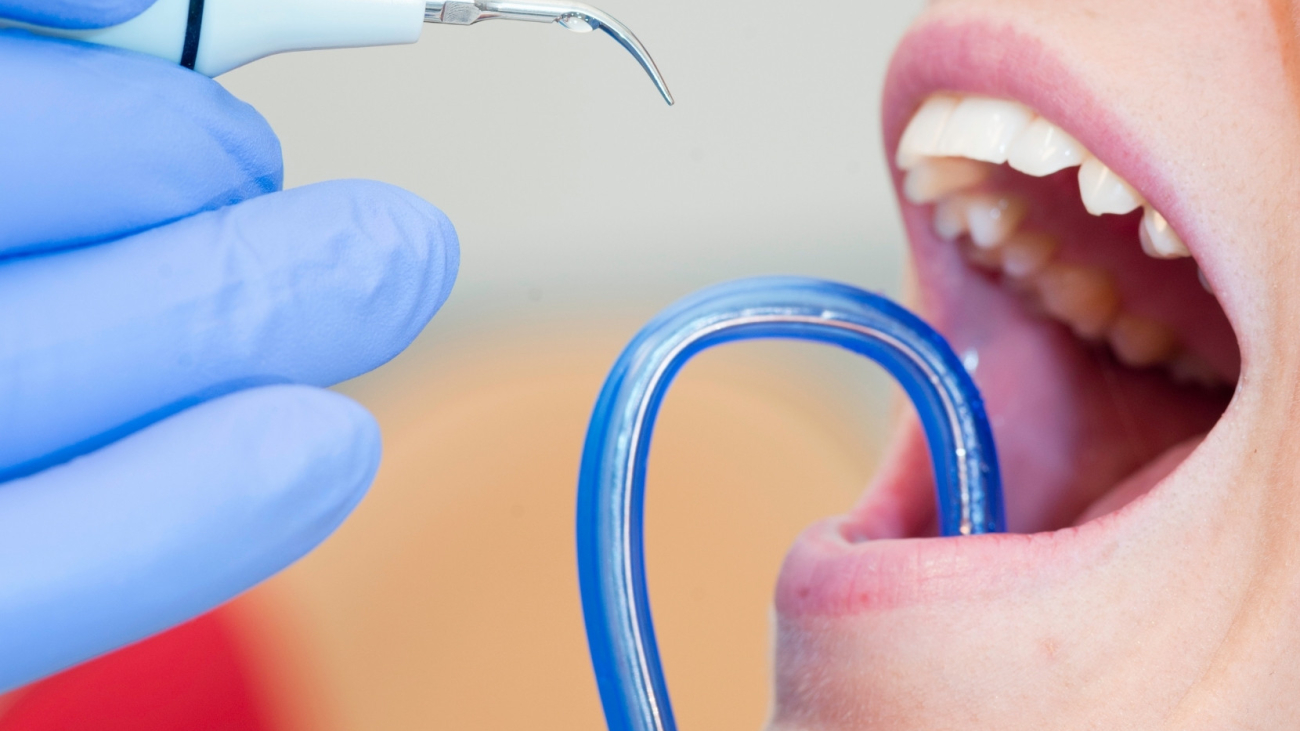
Tartar is a mineralized layer that forms as a result of plaque accumulating on the surface of teeth and along the gum line and hardening over time. Plaque combines with minerals in saliva to form a hard structure that can only be removed by a dentist using special tools.

Its formation is generally related to poor tooth brushing and flossing habits, dietary habits, and saliva composition. Tartar not only creates an aesthetic problem, but also seriously affects oral health.

The Importance of Tartar Removal

Tartar facilitates the adhesion of bacterial plaque, paving the way for gum disease. Over time, redness, swelling, bleeding, and inflammation may occur in the gums. If left untreated, this condition can lead to gum recession, loose teeth, and even tooth loss. Additionally, tartar is one of the main causes of bad breath. Regular tartar removal plays a critical role in maintaining gum health, preventing tooth loss, and ensuring a fresher oral environment.

How Often Should It Be Done?

The frequency of tartar cleaning may vary from person to person. In general, it is recommended to have it done at least once or twice a year by a dentist. However, this interval may be shorter for people who are prone to tartar formation. Saliva composition, diet, smoking, and oral hygiene habits are important factors that determine this interval. Regular check-ups not only prevent tartar buildup but also enable the early diagnosis of other potential oral health issues.

Things to Consider After Cleaning

After tartar removal, tooth surfaces become smooth, which makes plaque buildup more difficult. During this period, it is necessary to pay more attention to tooth brushing and flossing. Avoiding extremely hot or cold foods helps reduce tooth enamel sensitivity. Additionally, limiting consumption of tobacco, coffee, and tea reduces the rate at which tartar reforms. Regular maintenance helps preserve the effects of the cleaning for an extended period.

yasli-bireylerde-dis-protezi-ve-bakimi

Dental Prostheses and Care in Older Adults

Dental Prostheses and Care in Older Adults

Tooth loss that occurs with the aging process can cause various aesthetic and functional difficulties. In such cases, dental prostheses play an important role in helping individuals regain their ability to chew, speak, and feel confident.

However, proper care is essential for dental prostheses to be used in a long-lasting and healthy manner.

Benefits of Using Dental Prostheses

One of the most important contributions of dental prostheses is that they replace missing teeth and help individuals eat more healthily and balanced. Chewing hard or fibrous foods becomes easier, which reduces the burden on the digestive system. At the same time, prostheses are also very useful in terms of correct pronunciation of letters during speech and preservation of facial features. Improvements in aesthetic appearance and more comfortable social communication also support the individual’s overall psychological well-being. In particular, being able to speak and smile confidently in public makes it easier for older individuals to actively participate in social life.

The Importance of Dental Prosthesis Care

Regular maintenance is essential for dentures to be used in a long-lasting and healthy manner. Brushing dentures every day with appropriate cleaning products prevents food debris from accumulating and eliminates bad breath. Removing dentures from the mouth at night allows the gum tissue to rest and reduces the risk of deformation in the dentures. Prostheses should be stored in an appropriate solution or clean water. Additionally, oral soft tissues should not be neglected, and oral hygiene should be maintained even when using prostheses. If the prosthesis does not fit properly in the mouth or causes pressure, it is necessary to consult a dentist without delay.

Regular Dental Check-ups

Regular visits to the dentist are important for older individuals, not only for the functionality of their dentures but also for their overall oral health. Over time, dentures may become loose, worn, or cause changes in the structure of the mouth. These conditions can reduce the effectiveness of dentures and damage the tissues inside the mouth. Additionally, early diagnosis of issues such as gum disease, fungal infections, or oral ulcers can improve the success of treatment. Regular check-ups at the dentist’s recommended intervals not only extend the lifespan of dentures but also enhance the individual’s quality of life.

kahve-ve-cay-tuketimi-dis-rengini-nasil-etkiler

How Does Coffee and Tea Consumption Affect Tooth Color?

How Does Coffee and Tea Consumption Affect Tooth Color?

Coffee and tea, one of the indispensable drinks of daily life, are often preferred when starting the day or taking a short break during the day.

However, it should not be forgotten that these pleasant habits can have some negative effects on oral and dental health. In particular, changes in tooth color can be aesthetically disturbing.

What are the Factors Affecting Tooth Color?

The natural color of teeth can change depending on many factors such as genetic characteristics, age, eating habits and oral care routines. Dark drinks such as coffee and tea adhere to tooth enamel and cause discoloration over time. This is the effect of colored components called chromogens, which cause staining.

How Coffee and Tea Stain Teeth

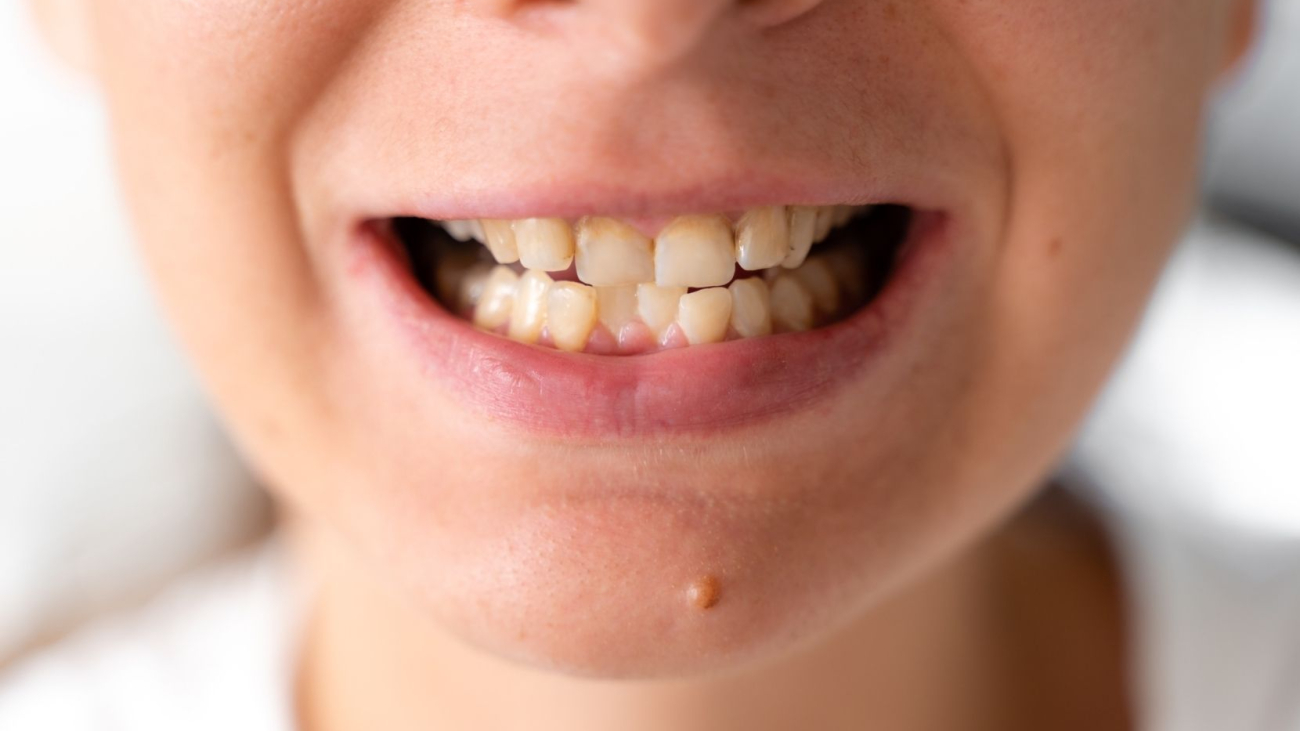
The tannins in coffee and tea cling to tooth enamel and cause yellowish or brownish stains. Especially the rough structure of the tooth enamel facilitates the adhesion of these substances. In case of continuous consumption, these stains become permanent over time and can reach a point where they cannot be removed by normal brushing.

Precautions to Reduce Blemish Formation

  • After consuming coffee and tea, the mouth can be rinsed with water.

  • It is possible to reduce the contact of drinks with teeth by using a straw.

  • Daily oral hygiene should be taken care of, teeth should be brushed and flossed regularly.

  • Routine scaling and professional dental cleaning procedures should not be neglected.

Solutions for Aesthetic Appearance

Professional teeth whitening procedures give very effective results for stains caused by coffee and tea. Office-type whitening methods applied by a dentist provide a natural and healthy lightening of the teeth. Home whitening kits can also be a supportive option with the recommendation of the dentist.

dislerde-asimetri-ve-estetik-duzeltme-yontemleri

Asymmetry in Teeth and Aesthetic Correction Methods

Asymmetry in Teeth and Aesthetic Correction Methods

Smile aesthetics is not limited to the whiteness of the teeth. The shape, size, position and especially the symmetry of the teeth have a great impact on facial expression and general appearance. Asymmetries in the teeth can cause both aesthetic concerns and negatively affect chewing function.

Today, thanks to advanced aesthetic dentistry applications, such problems can be solved in a short time and patients can gain a natural-looking, balanced smile.

What is Tooth Asymmetry and Why It Occurs

Dental asymmetry is the disproportionate arrangement of the teeth in the upper and lower jaw to each other and to the facial structure. This condition may be congenital or may develop later. Defects in jawbone development, gaps after tooth extractions, teeth clenching habits, orthodontic disorders or traumas can lead to tooth asymmetry. Early loss of deciduous teeth or permanent teeth not erupting in the correct position can also trigger this condition.

Aesthetic and Functional Effects

Asymmetrical teeth can negatively affect a person’s smile in terms of aesthetics. The appearance of crooked or irregular teeth during the smile can reduce self-confidence. In addition, strain on the jaw joint, impaired chewing functions and some speech problems can also be seen. In the long term, such problems can lead to secondary problems such as pain in the jaw muscles, headaches and tooth wear.

Treatment Methods for Tooth Asymmetry

In the treatment of asymmetrical teeth, a detailed oral and maxillofacial examination is first performed. After determining which teeth and to what extent they are irregularly placed, a personalized treatment plan is created. In mild cases, symmetry can be achieved with bonding applications or aesthetic filling methods. In more advanced cases, porcelain laminates or zirconium veneers may be preferred. If the problem is caused by tooth alignment, orthodontic treatment, that is, alignment procedures with braces or transparent plates, can be applied. In some cases, jaw surgery may also be required depending on the asymmetry in the jaw structure.

What to Do for a Natural and Balanced Smile

Naturalness is as important as symmetry in dental aesthetics. The dentist determines the most suitable form for you, taking into account your facial structure and smile line. The symmetrical structure obtained after treatment both increases the aesthetic appearance and supports long-term oral health. For this reason, not only external appearance but also functional harmony should be targeted.